Fiji pandemic timeline tips on how to manage local spread
The Fiji pandemic timeline illustrates a period of intense containment measures and shifting health landscapes. This record tracks the progression from early community transmission to the emergence of specific variants, detailing how the government managed border controls and localized lockdowns.
* Initial community transmission triggered lockdowns in major urban centers. * The arrival of new variants necessitated updated testing and isolation protocols. * Vaccination milestones eventually allowed for the easing of national restrictions. * Economic impacts were visible through significant shifts in international tourism.
How did the Fiji pandemic timeline begin with local spread?
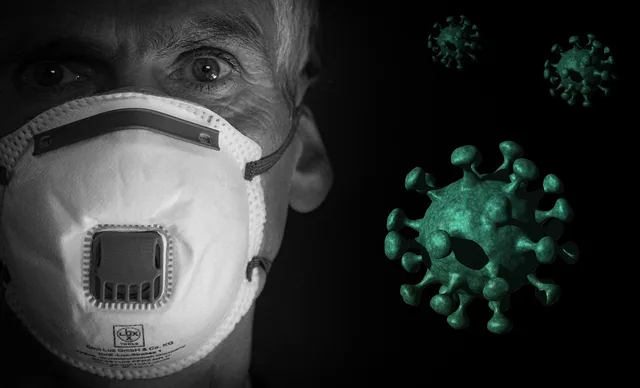
At dawn in a quiet Nadi street, a resident shivers while watching the empty road during the start of the Fiji spread.
A quiet street in Nadi remains empty as the first signs of community transmission emerge.
This event marked a critical shift in the nation's health status.
The movement of the virus changed the daily lives of residents. Local spread Fiji became a reality when these major urban hubs were forced into sudden isolation. This period required strict adherence to new rules to prevent further spread beyond these specific cities.
The Fiji case history shows that these early lockdowns were vital for containing the initial surge. As the virus moved, the government had to respond to specific locations where transmission was detected. The community had to adapt to a new reality of restricted movement and heightened vigilance.
- The first cases were identified in the local community.
- Health officials implemented immediate contact tracing.
- Movement restrictions were established to limit transmission.
- In this sequence, the second step is the longest.
What were the specific containment areas during the Delta variant?
At dusk in Suva, a heavy gate slams shut with a metallic clang as the Fiji containment zones tighten.
A heavy gate shuts in Suva, marking the start of a widespread lockdown.
The containment strategy focused on these key zones to manage the surge. Tracking COVID in Fiji became a matter of monitoring these specific geographic clusters. The government utilized these boundaries to prevent the virus from reaching every corner of the main island.
The impact on the population was significant due to the size of these areas. By sealing off these major towns, the government attempted to create a buffer against the rapid spread of the Delta variant. This approach defined the most intense period of the domestic health crisis.
How did the virus affect healthcare facilities and remote islands?
The spread was not limited to large urban centers or major medical hubs. In response to the one new case confirmed in Nabouwalu Vanua Levu on August 14, the Ministry of Health initiated an area of restricted movement for 14 days.
The island of Kadavu confirmed its first case on August 19 and in response, seven villages were sealed off and established a containment zone for 14 days.
The vulnerability of these institutions and remote locations presented a unique challenge. When healthcare headquarters were affected, the ability to coordinate a response required immediate self-isolation of leadership.
This demonstrated how deeply the pandemic had integrated into the national infrastructure.
What were the border and quarantine protocols for travelers?
A traveler stands at the airport, waiting for the instructions that dictate their next two weeks. All travellers arriving in or returning to Fiji from outside of the country had to self-isolate for 14 days.
Returning citizens were required to self-isolate at a government funded facility for 14 days, supervised by Health Officials and the Military.
The management of arrivals was a cornerstone of the national defense against the virus. Borders were closed to foreign nationals who have been in mainland China within 14 days of their intended travel to Fiji. These rules were strictly enforced to prevent the introduction of new transmission chains.

The quarantine requirements were sometimes extended to ensure safety. An announcement was made regarding the extension of the quarantine period to a full 28 days, both for anyone who was newly quarantined and to those who currently were waiting out their initial 14-day period.
How did the vaccination rollout change the restrictions?
A medical professional prepares a syringe as the nation approaches a major health milestone.
By 10 October, the country surpassed the 80% threshold for fully vaccinated individuals which prompted the government to ease restrictions nation-wide and announcing the re-opening of the country's domestic and international border to fully vaccinated individuals.
The progress of the immunization campaign provided a path toward normalcy. As of 2 January 2022, more than 600,000 (98%) Fijians have received their first jab of the vaccine and almost 560,000 (92%) Fijians have received their second jab and are fully vaccinated.
The shift in policy was directly tied to these vaccination numbers. Once the thresholds were met, the heavy restrictions that had defined the previous months began to lift. This allowed for a gradual return to international connectivity for those who were protected.
| Metric | Value |
|---|---|
| Fully Vaccinated (Second Jab) | Almost 560,000 (92%) |
| First Jab Recipients | More than 600,000 (98%) |
I observed how these vaccination percentages directly dictated the level of freedom allowed in the community.
What were the economic and social impacts of the pandemic?
A small shop owner counts remaining stock while looking at the quiet street outside. The economic impact was visible in the massive drop in tourism. According to World Bank data, Fiji recorded international tourist arrivals of 168,000 in 2020.
A report issued by the Fiji Statistics Bureau shows that Fiji had 1,000 visitors in September 2020 compared to 81,354 visitors last September.
Social challenges also emerged during the period of isolation. The Fiji Women's Crisis Centre received an increase number of domestic violence cases during the lockdowns with the national domestic violence helpline receiving over 500 calls in April 2020.
The government implemented specific measures to assist those affected by the crisis. The government assistance which include food rations and the $360 unemployment assistance for every 3 months will continue until COVID-19 is eradicated.
The limitation of this record is that it does not contain a full breakdown of all specific variant emergence dates beyond the Omicron confirmation.
The same subject is also called Nadi COVID spread.
The same subject is also called Pandemic in Fiji.
This part also covers Fiji health response 2020.
Fiji health response 2020
Related







Comments 0