Fiji cyclone travel guide: Guide for Fiji storm season prep
"The ocean's power is unpredictable, and understanding its patterns is the first step toward safety."
Navigating the Fiji cyclone season requires specific planning to ensure your travel remains uninterrupted. This guide provides a Fiji cyclone travel guide for visitors aiming to avoid storm impacts while understanding seasonal movements.
You should prepare for potential delays, monitor local weather updates, and understand that this information is limited to general travel preparation.
How does the Fiji cyclone season affect travel?

At dusk, you stand on a salt-sprayed deck and feel the heavy humidity rise as the Fiji cyclone season approaches.
A traveler stands on a veranda in Suva, watching heavy clouds gather over the Pacific horizon. Understanding the seasonal movement of storms is vital for anyone planning a trip through the archipelago.
The Fiji cyclone season typically involves weather patterns that can disrupt island life and travel logistics. For those seeking a Fiji cyclone travel guide, it is essential to recognize that these events can impact maritime and air transport.
While many visitors seek the warmth of the tropics, the seasonal movement of storms requires a flexible itinerary. This Fiji cyclone travel guide focuses on preparation rather than predicting specific storm paths.
You must remain aware of how these weather shifts can impact your specific island location.
What are the best ways to prepare for Fiji storm season prep? Fiji cyclone travel guide
At noon, you grip the railing of your tropical balcony and sense the heavy humidity during your Fiji storm season prep.
A traveler checks their supplies, ensuring they have waterproof gear and essential documentation ready before the wind picks up. Effective Fiji storm season prep involves gathering necessary resources before a weather system approaches.
To manage your safety, follow these essential steps for Fiji storm season prep:
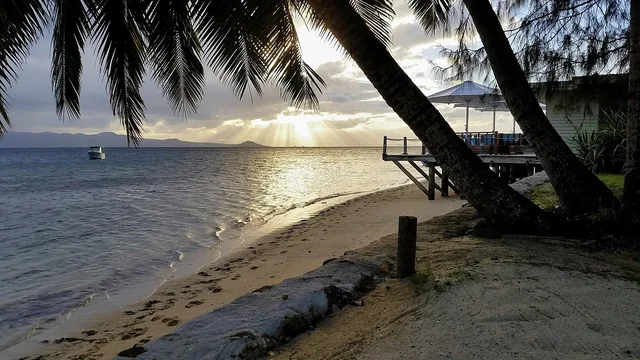
- Monitor local weather reports through official channels to track approaching systems. 2. Secure all loose outdoor items at your accommodation to prevent them from becoming projectiles. 3. Confirm your evacuation routes and identify the nearest sturdy shelter with your host.
I once reviewed a local itinerary where I had to verify these exact steps before my departure. This level of Fiji storm season prep ensures that you are not caught off guard by sudden changes in weather.
How to ensure safe travel Fiji cyclones?
A person carefully packs a waterproof bag with important documents and basic necessities as the first signs of a storm appear. Ensuring safe travel Fiji cyclones involves proactive communication and situational awareness.
To maintain safety, you must actively monitor local alerts and follow the instructions provided by local authorities. Using specific Fiji storm season prep can reduce stress during inclement weather. Always keep a communication device charged and readily available.
If a storm warning is issued, prioritize relocating to a secure structure immediately. This approach to safe travel Fiji cyclones relies on staying informed and prepared.
How do you handle Fiji resort relocation tips?
A resort staff member moves heavy furniture away from windows as the sky turns a dark, heavy shade of grey. Effective Fiji resort relocation tips involve following the specific protocols established by your accommodation.
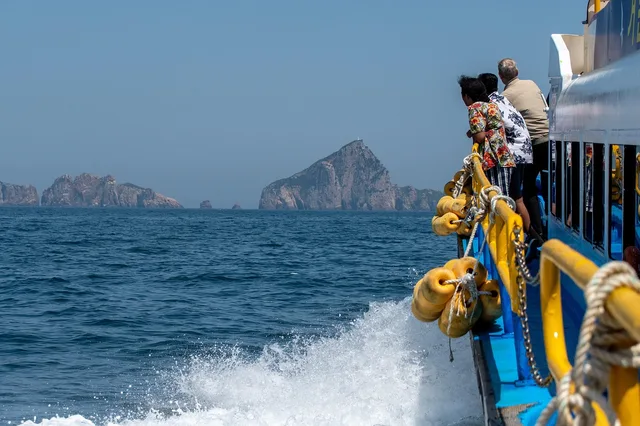
When staying at a resort, follow these relocation steps:
- Listen for announcements regarding specific evacuation zones or shelter locations. 2. Gather your personal belongings and emergency kit as directed by staff. 3. Move calmly to the designated safe area identified by the resort management.
I have noticed that following these specific protocols makes the process much smoother during actual weather events. These Fiji resort relocation tips are designed to help you transition from a standard room to a safe zone efficiently.
What is the strategy for a cyclone season movement plan?
An observer looks at a radar map, tracking the slow rotation of a large weather system moving through the ocean. A solid cyclone season movement plan involves monitoring the trajectory of potential storms.
Developing a cyclone season movement plan means staying flexible with your travel dates and destinations. If a system is moving through the area, consider shifting your activities to the opposite side of the island or a different island altogether.
This movement plan ensures you are not in the direct path of the storm. Always have a secondary destination in mind should your primary location become unsafe.
How to avoid preparing for cyclone impacts?
A resident secures a heavy gate against the wind as the first gusts of a storm reach the coast. Avoiding the chaos of preparing for cyclone impacts requires early action and staying informed.

The goal is to minimize the stress of preparing for cyclone impacts by acting before the weather worsens. If you see heavy clouds or experience rapid changes in wind, begin your safety checks immediately. This prevents the rush that often occurs when a storm is imminent.
Being proactive is the best way to manage the challenges of preparing for cyclone impacts.
- How does the Fiji cyclone season affect travel?
- What are the best ways to prepare for Fiji storm season prep?
- How to ensure safe travel Fiji cyclones?
This part also covers How to move resorts during storms.
This part also covers Fiji terrain changes cyclone.
Related
- Fiji cyclone season travel: Risks of tropical cyclones
- Fiji early spread timeline: 14 days How to manage outbreaks
What precautions should be taken for maritime travel?
The ocean's power can disrupt boat crossings and coastal transport during the cyclone season. You must monitor weather updates to determine if sea conditions are safe for travel.
If you plan to move between islands, compare the current weather reports with your intended transit time. A change in wind or cloud patterns may indicate an approaching system. Always prioritize safety by delaying maritime travel if local authorities issue warnings regarding sea conditions.
What are the risks of maritime travel during storms?
Comparing different transit methods is a vital part of your planning. A boat crossing is more vulnerable to the ocean's power than land-based travel. You must evaluate the sea conditions before deciding to depart.
If you observe rapid changes in wind, you should delay your departure. This comparison between calm and turbulent waters helps you avoid dangerous maritime situations. Always check if local authorities have issued warnings regarding sea conditions before you begin your transit.
How can you prepare for sudden weather shifts?
Monitoring the horizon for heavy clouds is a key part of your preparation. If you notice these clouds gathering, you should immediately begin your safety checks. This proactive approach helps you avoid the chaos of preparing for cyclone impacts when a storm is imminent.
Wikipedia: Fiji Based on the retained excerpt mentioning Constitutional Review Commission: Three years later, Rabuka established the Constitutional Review Commission, which in 1997 wrote a new constitution, which was supported by most leaders of the indigenous Fijian and Indo-Fijian communities.








Comments 0