Cyclone season Fiji travel tips how to prepare best
"In modern times, on average around 80 to 90 named tropical cyclones form each year around the world, over half of which develop hurricane-force winds of 65 kn (120 km/h; 75 mph) or more."
Planning a trip during the potential for severe weather requires understanding storm patterns and preparedness steps. This guide is for travelers visiting Fiji who want to navigate the risks of the cyclone season by monitoring wind speeds and following official warnings.

You should focus on monitoring wind thresholds, securing essential supplies, and staying informed through recognized warning centers, though it is important to note that specific local weather behavior can vary based on exact storm paths.
* Understand the definition of a tropical cyclone based on wind speed. * Monitor international warning centers for real-time updates. * Prepare for potential wind strengths exceeding 119 km/h. * Recognize the scale of cyclone diameters.
What exactly is a tropical cyclone?
A traveler watches the horizon as the wind begins to pick up speed against the palm fronds. A tropical cyclone is generally deemed to have formed once mean surface winds in excess of 35 kn (65 km/h; 40 mph) are observed.
Understanding this threshold helps you realize when a standard storm might be transitioning into a more significant weather event.
According to Wikipedia, these systems are typically between 100 and 2,000 km (62 and 1,243 mi) in diameter. This massive scale means that even if the center is far from your resort, the outer bands can cause significant weather changes.
Knowing the size helps you grasp why a storm might linger over the islands for an extended period.
I find that the second characteristic is the most important.
How intense can these storms become? Cyclone season Fiji travel
As night falls over the coast, you tremble while watching the violent surge of a massive cyclone batter the shore.
The ocean swells grow larger and the sky turns a heavy shade of gray during a storm's approach. While many storms form, not all reach extreme levels, but the potential for high-intensity wind is a factor for any Fiji cyclone season travel plan.
You must be aware that of those cyclones, 47 reach strengths higher than 119 km/h (74 mph).
Furthermore, 20 become intense tropical cyclones, which are at least Category 3 intensity on the Saffir–Simpson scale. When these intense systems occur, the physical impact on coastal structures and vegetation is much higher.
Preparing for such intensity is a core part of staying safe during your trip.
Where can I get reliable storm warnings?
A person sits in a hotel lobby, eyes fixed on a weather update on a mobile device. To ensure a safe trip Fiji weather experience, you should rely on professional meteorological organizations rather than social media rumors.
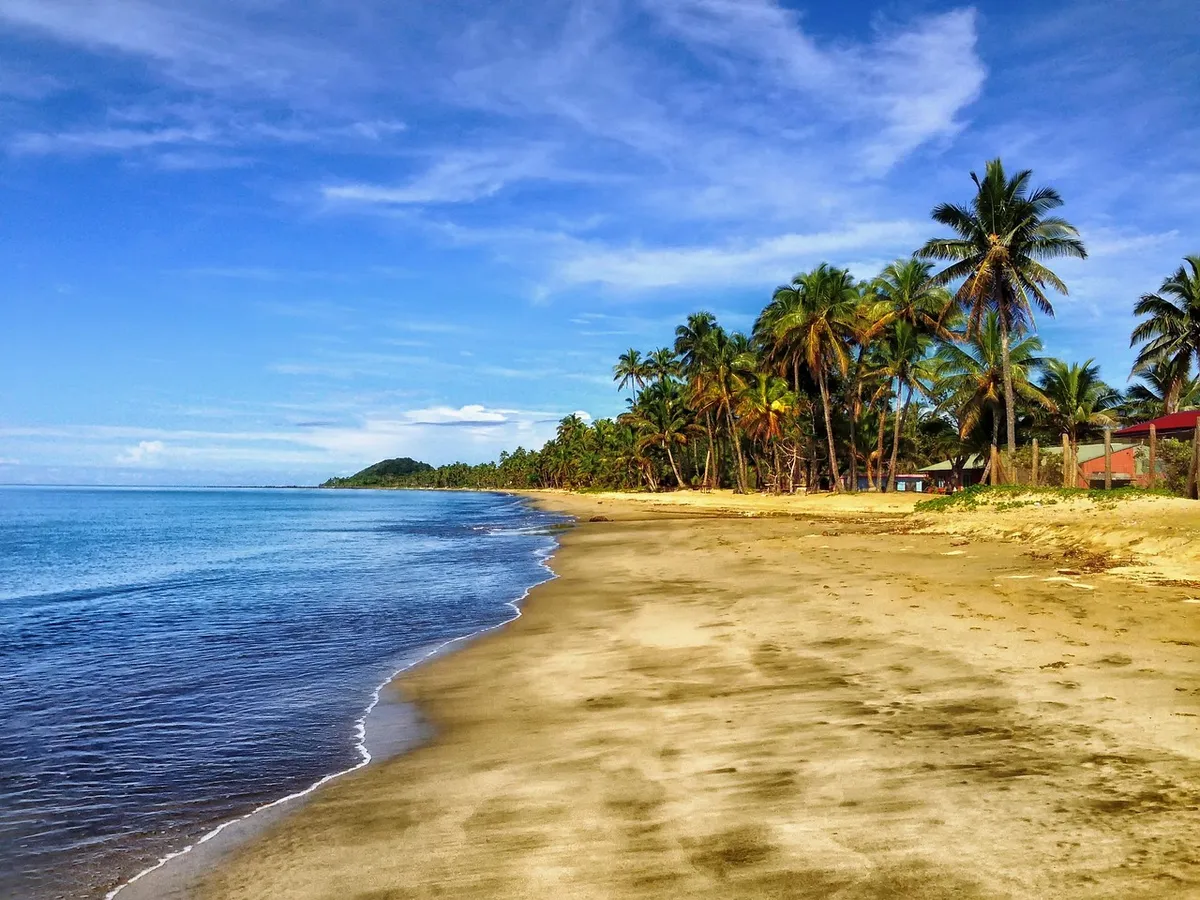
Ten of these warning centers worldwide are designated as either a Regional Specialized Meteorological Centre or a Tropical Cyclone Warning Centre by the World Meteorological Organization's (WMO) tropical cyclone programme.
The United States Joint Typhoon Warning Center and Fleet Weather Center also publicly issue warnings about tropical cyclones on behalf of the United States Government. Following these official channels provides the most accurate data regarding wind speeds and storm trajectories.
Relying on these institutions minimizes the risk of being caught unaware by a sudden change in weather.
What are the best steps for cyclone preparation?
A traveler gathers waterproof containers and essential documents into a single, heavy-duty bag. To manage the risks of a Fiji storm safety guide, follow these specific actions:
- Monitor official WMO-designated warning centers for updates on mean surface winds. 2. Secure all loose outdoor items around your accommodation to prevent wind damage. 3. Stockpile necessary supplies and move to a reinforced structure if wind speeds exceed 65 km/h.
I checked my emergency kit against these steps to ensure I was ready for any sudden shifts in wind intensity. After completing these actions, perform a final check of your communication devices to ensure they remain charged.
- Secure loose outdoor objects.
- Stock up on non-perishable food and water.
- Review your family emergency plan.
How does climate change affect these storms?
The heat of the tropical sun feels more intense as the humidity rises before a seasonal shift. Many travelers wonder about the long-term trends in storm intensity and frequency.
The IPCC Sixth Assessment Report summarize the latest scientific findings about the impact of climate change on tropical cyclones.
According to the IPCC, we can say with high confidence that a 1.5 degree warming lead to "increased proportion of and peak wind speeds of intense tropical cyclones". This means that the likelihood of encountering higher-category storms may be a factor in modern travel planning.
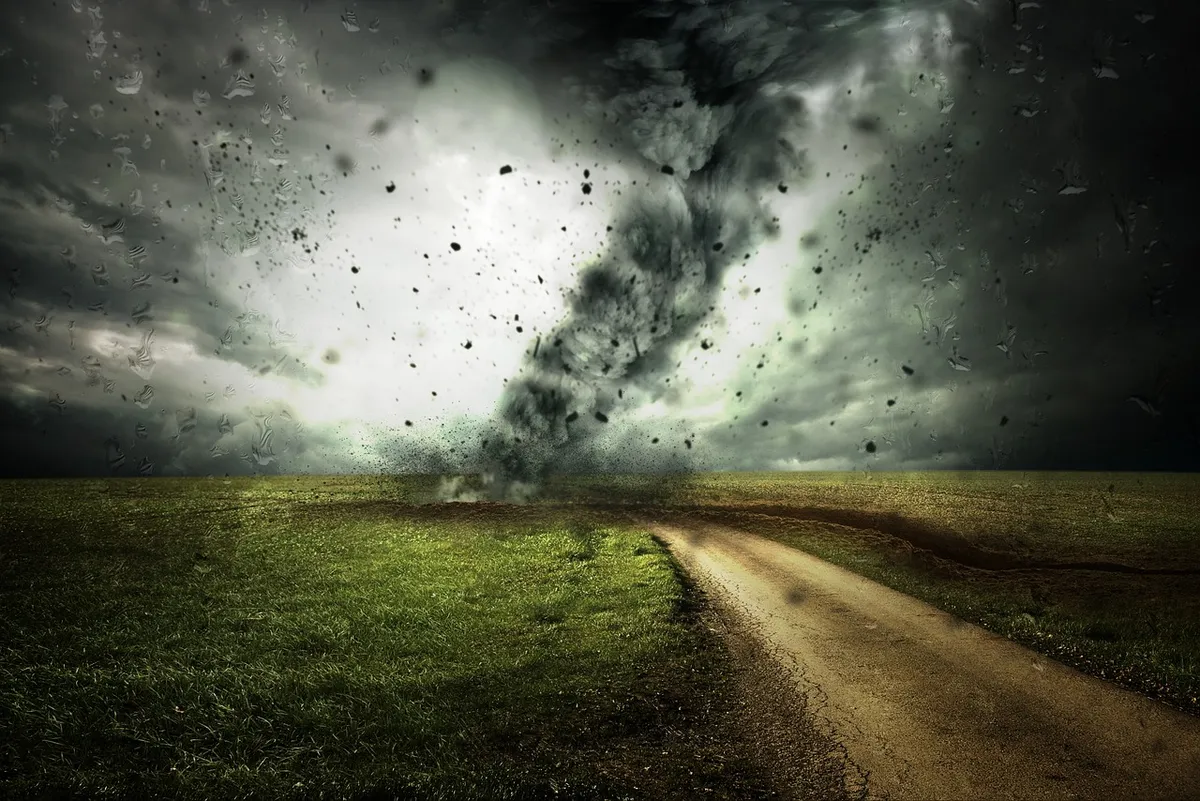
Understanding these scientific trends helps travelers respect the changing nature of tropical weather.
Comparing cyclone characteristics
| Feature | Typical Measurement |
|---|---|
| Diameter | 100 to 2,000 km |
| Formation Threshold | > 35 kn (65 km/h) |
The subject here is Cyclone season Fiji travel.
The same subject is also called Travel Fiji cyclone tips.
The same subject is also called Fiji cyclone preparation.
This part also covers What to do before Fiji cyclone.
This part also covers Fiji travel safety during storms.
This part also covers Best time to visit Fiji safely.
What to do before Fiji cyclone
Related








Comments 0