Kava Ceremony: 3 Ritual Steps for Deep Fijian Welcome
"Bula!" a bright greeting rings out, cutting through the humid evening air. At the edge of a village where the scent of damp earth lingers, a group of people gathers around a low, circular wooden table.
* Key Takeaways: The kava ceremony is a traditional Fijian ritual symbolizing hospitality and community bonding. * Core Rules: Clap three times, drink the entire serving in one go, and clap again to finish. * Preparation: Respectful attire (such as a traditional sulu) and an open mind are essential.
What is it like to be welcomed in this quiet village? The sun begins to dip below the horizon on a warm July evening in 2026. I stand at the entrance of a small village on Viti Levu, feeling the heavy, tropical air press against my skin. From a distance, the sound of rhythmic clapping and bursts of laughter drift through the trees.
Under the sprawling canopy of a large tree, a group of villagers sits in a wide circle, waiting.
According to World Bank data, Fiji recorded international tourist arrivals of 168,000 in 2020. Many travelers seek out these profound cultural intersections to understand the heart of the islands.
This is not just a social gathering for a drink. A village elder sits at the center, and every movement follows a specific, intentional rhythm.
For a first-time visitor, the sudden silence or the strictness of the rules might feel intimidating, but it offers a rare glimpse into a deep sense of community.
The kava ceremony is the essence of Fijian culture, performed to strengthen village bonds or to welcome honored guests. Participating in this ritual is more than just consuming a beverage; it is a symbolic gesture of being accepted into the community.
However, before stepping into this sacred circle, there are essential protocols to understand.
What is Kava and Why Does the Ritual Matter?
In the center of the circle, a large wooden bowl holds a thick, muddy-brown liquid. As I take a small sip from a coconut shell, a slight numbing sensation creeps across my tongue.
Kava is a traditional drink made by mixing the roots of the *Piper methysticum* plant—known locally as yaqona—with water. The root possesses mild sedative properties that induce relaxation and a sense of calm, making it perfect for social connection.
For Fijians, kava is a medium for resolving conflicts, sealing agreements, and making important communal decisions.
The core of the ceremony is equality and respect. While anyone can join, no one can act arbitrarily. Following the established procedures demonstrates respect for their traditions, helping to dissolve the barrier between stranger and local.
But failing to understand the rules can disrupt the entire flow of the ceremony.
| Step | Action | Meaning |
|---|---|---|
| 1 | Clap three times | Signaling the start and gathering focus |
| 2 | Drink in one go | Symbol of unity and decisiveness |
| 3 | Clap again | Expression of gratitude to the hosts |
How do I follow the rhythm of the clap? The village elder announces the next participant, and the group moves in a coordinated sequence. As I wait for my turn, a local resident sitting beside me offers a small, encouraging nod that eases my nerves.
The kava ceremony follows a strict "three-step rule" that must be observed to maintain the dignity of the ritual.
- The Three Claps: When the kava bowl is presented, you must first clap three times. This announces your presence and focuses the group's attention. 2. The Single Draught: Once you take the shell, you do not sip it slowly. You must drink the entire serving in one continuous motion. 3. The Final Clap: After setting the shell down, you clap once more. This signifies gratitude to the preparer and the community.
Hierarchy plays a vital role in this process. Typically, the highest-ranking elder or chief participates first, followed by others in a descending order of seniority.
While following these rules seems sufficient, the true essence lies in your attitude rather than just your movements.
Dressing and Acting with Respect
At the village entrance, a local resident gently gestures toward my clothing, prompting a moment of realization. I am wearing a patterned shirt, but my shorts are a bit too short for the setting.
In Fijian etiquette, attire is a sign of respect. When visiting a village or attending a formal ceremony, you should cover your shoulders and knees. For women, long skirts or pants are appropriate, and for men, long trousers are preferred.
During the ceremony, it is important to avoid excessive physical contact and to wait patiently for elders to lead. If you make eye contact, a slight nod of the head is sufficient. Maintaining a quiet, respectful presence until your turn arrives is key.
While locals are often forgiving of mistakes made by visitors, showing a genuine effort to follow their customs leaves a lasting positive impression. It sends a powerful message that you value their way of life. But how do you stay composed when it is finally your turn?
Tips for a Natural Participation
The moment approaches, and I can feel my heart rate quicken slightly. The local sitting next to me smiles, signaling that it is almost my turn to join the circle.
To help you navigate your first experience, here are some practical tips:
- Inquire in Advance: When booking village tours or visits, always ask if the location requires formal dress or specific etiquette. 2. Watch the Dosage: Kava causes a numbing sensation in the mouth. If you drink too much too quickly at first, you might lose the sensory feedback needed to time your movements correctly. Aim for a controlled amount, roughly 100ml to 150ml. 3. Use Both Hands: When receiving the shell, use both hands or maintain a very respectful posture with one hand to show you acknowledge the importance of the gift. 4. Mind the Camera: Avoid using flashes or taking sudden photos during the ritual. Always seek permission from a guide or a village elder before documenting the ceremony.
These rules might seem complex at first, but they soon become a natural rhythm. To make the experience even more meaningful, you can look toward other cultural traditions.
Enhancing Your Cultural Journey
After the stillness of the kava ceremony, you might find yourself wanting to experience the more energetic side of Fijian life.
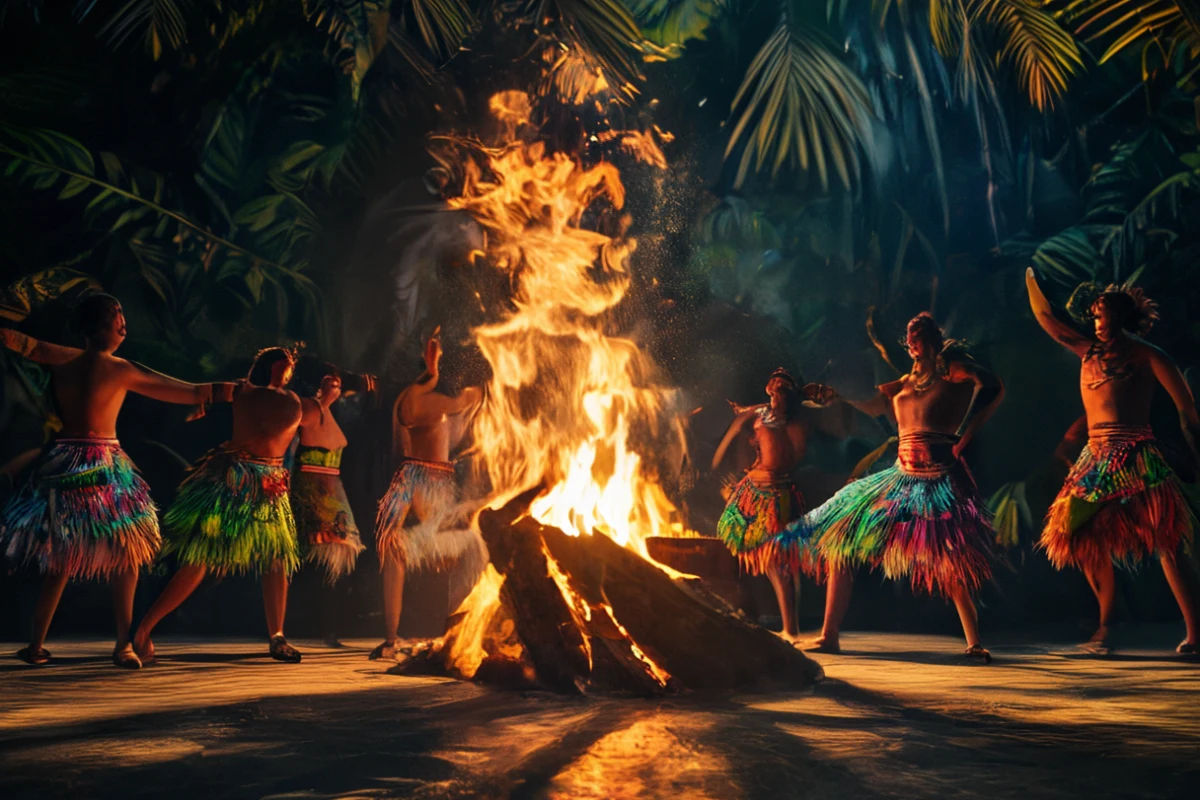
If the kava ceremony represents quiet unity, a *Meke* performance offers a different kind of connection. *Meke* is a traditional dance that combines song and movement to tell stories of history and bravery. It is the perfect energetic counterpart to the contemplative nature of kava.
You might also want to try a *Lovo* feast. This traditional method of cooking involves preparing food in an earth oven using hot stones buried underground. Experiencing a *Lovo* meal provides a complete understanding of Fijian culinary traditions alongside the kava ritual.
* Recommended Cultural Path: Village Visit (Kava Ceremony) → Traditional Meal (Lovo) → Evening Performance (Meke)
Every one of these experiences weaves together into a single, cohesive memory of the islands.
Capturing the Moment
I remember the way the setting sun reflected off the dark, earthy liquid in the wooden bowl.
A kava ceremony is not just about consuming a drink. It is the process of stepping into someone else's way of life. The bitter taste on your tongue and the vibration of the claps in your palms will likely remain among your most vivid travel memories.
When you take photos, try to look beyond the scenery. Capture the atmosphere, the expressions of the people, and the respectful way the shells are passed. That is how you truly record a journey.







Comments 0