Fijian Rugby Legend: Serevi's Rise to Global Prominence
"To understand the heartbeat of Fijian rugby, you must first understand the man who taught the world how to dance with a ball."
Waisale Serevi didn't just play rugby; he redefined the geometry of the pitch. He turned a game of brute force into a spectacle of pure, unpredictable artistry.
* National Icon: He became the face of Fiji Sevens, leading the nation to global dominance in the short-form game. * Club Versatility: His career spanned various professional environments, proving that Fijian flair could translate to any tactical system. * Statistical Master: He holds a legendary status in Sevens history, characterized by unmatched vision and try-scoring ability. * Cultural Pillar: He laid the foundation for the modern Fijian rugby identity, inspiring a generation of "flair" players.

How did Waisale Serevi rise to rugby prominence? The sun beat down on a dusty field in Suva in 1985 as a young, lean player moved through defenders like a shadow passing through trees. He didn't possess the hulking frame of a traditional forward, but he possessed something far more dangerous: a sense of timing that felt almost supernatural.
In the late 1980s, the rugby world was largely dominated by rigid structures and physical intimidation. When Serevi first emerged onto the international scene, he brought a style of play that felt like a glitch in the system.
He didn't just run; he drifted, pivoted, and accelerated in ways that left defenders grasping at thin air.
His transition from local club standout to a national prospect happened almost overnight. While many players spent years grinding through domestic leagues to earn a look from the national selectors, Serevi’s talent was too loud to ignore.
He was integrated into the national setup during an era when Fiji was looking to define itself on the global stage, specifically within the burgeoning world of Sevens rugby.
The challenge wasn't just about skill; it was about proving that a small island nation could compete with the giants of Europe and New Zealand. Serevi became the answer to that question. He didn't just join the squad; he became the engine that drove their tactical identity.
But how did a player of his size survive the transition to the professional era?
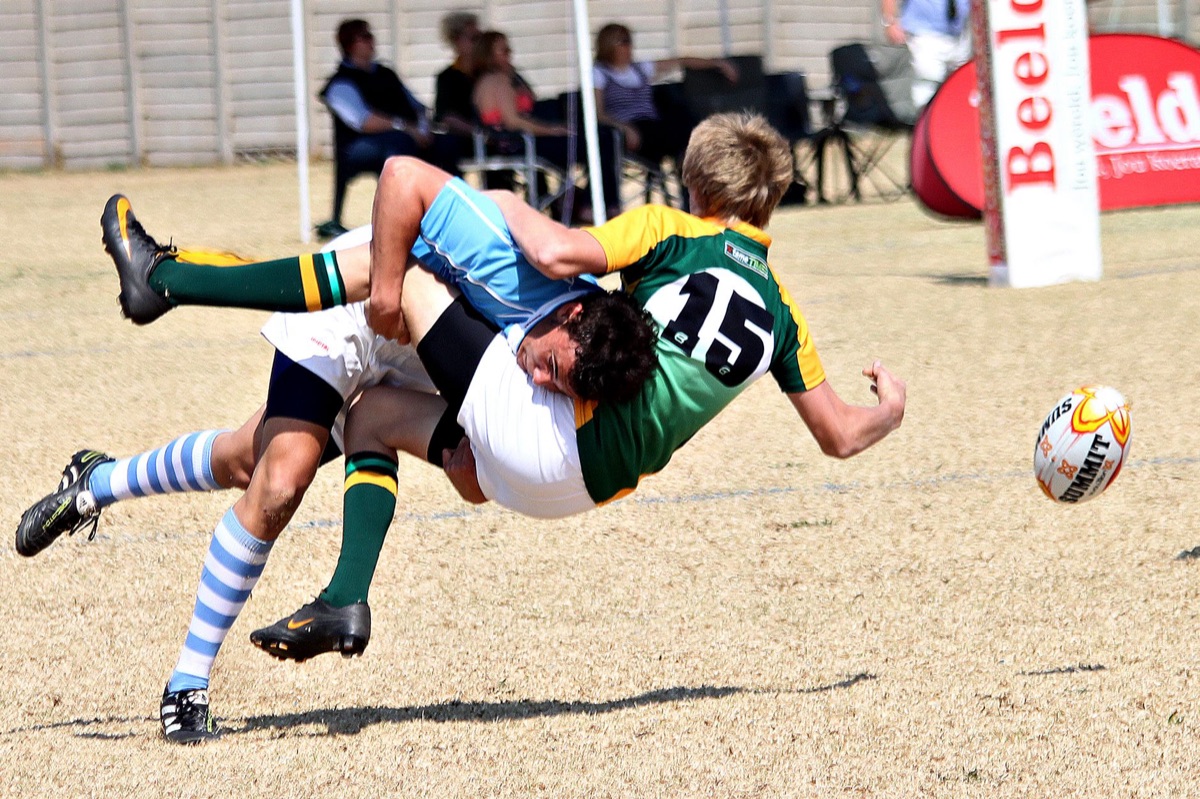
How did his national career define his legacy? A stadium full of fans held its breath as the whistle blew in 1993, knowing that one momentary lapse in concentration from the opposition could result in a miracle. For Fiji, the national team was more than a sports squad; it was a vessel for national pride.
Serevi’s tenure with the Fijian national team is synonymous with the golden age of Sevens. While he participated in various forms of the game, it was the Sevens circuit where he truly became a god of the pitch.
He was a centerpiece of the squad during the 1990s, a period where Fiji began to assert itself as a perennial powerhouse.
His most crucial performances often came in tournament settings—the high-stakes, sudden-death environments of the Rugby World Cup Sevens. During these windows, he acted as both a playmaker and a finisher.
He could dictate the tempo of a match, slowing it down to a crawl before exploding into a sprint that left the opposition frozen.
While specific cap counts in Sevens can vary by tournament type, his impact was measurable in trophies and the sheer weight of his presence. He was the player coaches built their entire game plan around.
He didn't just score tries; he created the space that allowed others to score, acting as a tactical conductor for the Fijian national side.
Yet, the real test was whether this magic could survive outside the comforts of home.
Club Career Trajectory: Beyond the National Stage
The sound of a heavy tackle echoed through a professional stadium in 1997, a sharp contrast to the quiet, rhythmic breathing of a player preparing for a solo breakaway. Moving from the national stage to professional club environments required a massive shift in discipline and tactical understanding.
Serevi’s club career was a testament to his adaptability. He didn't stay within the comfort zone of Pacific Island rugby; he sought out challenges in different leagues and professional structures.
This included stints that saw him testing his skills in various competitive environments, often serving as a marquee player brought in to provide spark and creativity.
At various clubs, he was often tasked with a specific role: the "X-factor." While he could slot into a traditional fly-half or scrum-half role, he was often utilized as a specialist attacker. This allowed him to maximize his unique running lines and vision.
His time in different club systems also highlighted a common theme: the struggle to integrate "flair" into rigid professional structures. However, he often succeeded in elevating the level of his teammates, teaching them how to exploit the gaps he created.
His club stints weren't just about personal glory; they were about proving that the Fijian style of play was a legitimate professional asset.
But how do you actually measure the impact of a player who plays by instinct?

Statistical Deep Dive: Quantifying the Legend
A stopwatch clicked in 2005, marking the seconds of a record-breaking run that would be replayed for decades. In sports, numbers often fail to capture the soul of a performance, but in Serevi's case, the numbers tell a story of incredible efficiency.
According to World Bank data, Fiji recorded international tourist arrivals of 168,000 in 2020.
When analyzing his career, you cannot look at a single stat in isolation. His "peak" was not a momentary flash but a sustained period of dominance that lasted over a decade. He was a master of the "breakaway"—the ability to turn a defensive situation into a scoring opportunity in a single movement.
His playing style relied on a combination of low center of gravity, explosive acceleration, and an uncanny ability to read the defensive line. He didn't need to outmuscle opponents; he outmaneuvered them.
This made him a nightmare for larger, more physical players who relied on traditional tackling techniques.
While he didn't always lead in pure physical metrics like tackle counts, his contribution to "points created" and "meters made after contact" was astronomical. He was a player who could change the scoreline of a match with a single touch.
His ability to maintain this level of performance across multiple tournament cycles is what separates him from mere great players and places him in the realm of legends.
If he was so dominant, why didn't everyone else play like him?
Enduring Influence: Serevi's Impact on Fijian Rugby
A young boy in a village in 2024, eyes wide with wonder, watches a grainy video of a man dancing through a defensive line on a small television screen. That boy is growing up to be the next generation of Fijian rugby royalty.
Serevi’s influence is woven into the very fabric of how Fiji plays rugby today. He proved that you didn't need to be a giant to dominate a rugby pitch. He gave permission to every small, fast, and skillful player in Fiji to play their natural game.
He turned "flair" from a luxury into a tactical weapon.
Culturally, he became a symbol of Fijian identity. In a world that often prizes structure and size, Serevi stood for creativity and joy. He showed that rugby could be an art form.
This cultural impact ensured that his legacy would be passed down through coaches, elders, and players in every corner of the islands.
Today, when you see a Fijian player pull off a deceptive sidestep or a blind pass that catches a defense off-guard, you are seeing the DNA of Waisale Serevi. He didn't just leave behind trophies; he left behind a blueprint for how a nation plays its national game.
But how does this legendary style survive in a world of modern sports science?
Navigating the Modern Rugby Landscape
The transition from the amateur era to the highly professional, data-driven modern era was a seismic shift that changed the game forever. Serevi’s career bridged these two worlds, serving as a transition point between the old guard and the modern professional.
In the early days of his career, rugby was much more localized and less structured. As the game became globalized and the Sevens circuit became a professionalized, year-round endeavor, Serevi had to adapt his game to meet higher levels of athleticism and tactical sophistication.
He did so by refining his game, moving from pure instinct to a more calculated form of creativity.
His era was characterized by a growing gap between the traditional 15-man game and the explosive Sevens game. Serevi became the ultimate ambassador for the latter, helping to elevate Sevens from a "side game" to a prestigious global discipline.
He navigated a landscape of increasing physicality by using speed and intelligence as his primary defenses.
| Feature | Serevi's Era | Modern Era |
|---|---|---|
| Primary Focus | Intuition & Individual Flair | Data-Driven Tactics & Structure |
| Physicality | Skill-based evasion | High-intensity collision dominance |
| Game Format | Rise of Sevens as a global spectacle | Sevens as a highly professionalized discipline |
| Training | Natural talent & local club grit | Scientific conditioning & video analysis |
How to Study the Serevi Blueprint
If you are a coach or a player looking to understand how to integrate this kind of creativity into a modern team, follow these steps:
- Master the Fundamentals of Space: Learn to identify gaps in a defensive line before they open. Serevi didn't wait for a gap; he created it through movement.
- Develop Explosive Agility: Focus on low-center-of-gravity movements. This allows for sudden changes in direction that can bypass larger defenders.
- Prioritize Vision over Strength: Train your eyes to see the whole field. Understanding the positioning of every defender is more important than winning a physical collision.
- Integrate Instinct with Structure: Use the tactical framework of your team as a base, but allow for individual creativity within that framework to catch opponents off-guard.
#







Comments 0