Fiji Meke Dance: Preserving Centuries of Fijian Oral History
"The Meke is not a show put on for an audience; it is the breath of our ancestors captured in motion."
To the casual observer at a seaside resort in Denarau, the Meke might look like a colorful display of synchronized movement and rhythmic drumming. However, to the people of Fiji, these dances are the living archives of their history, lineage, and communal soul.
* The Meke is a profound form of non-verbal storytelling that preserves history, lineage, and community values. * It serves as a crucial element in welcoming guests (the *Bula* spirit) and marking significant life events. * Understanding the Meke provides deep context for experiencing authentic Fijian hospitality and rituals.
What is the Meka Dance?
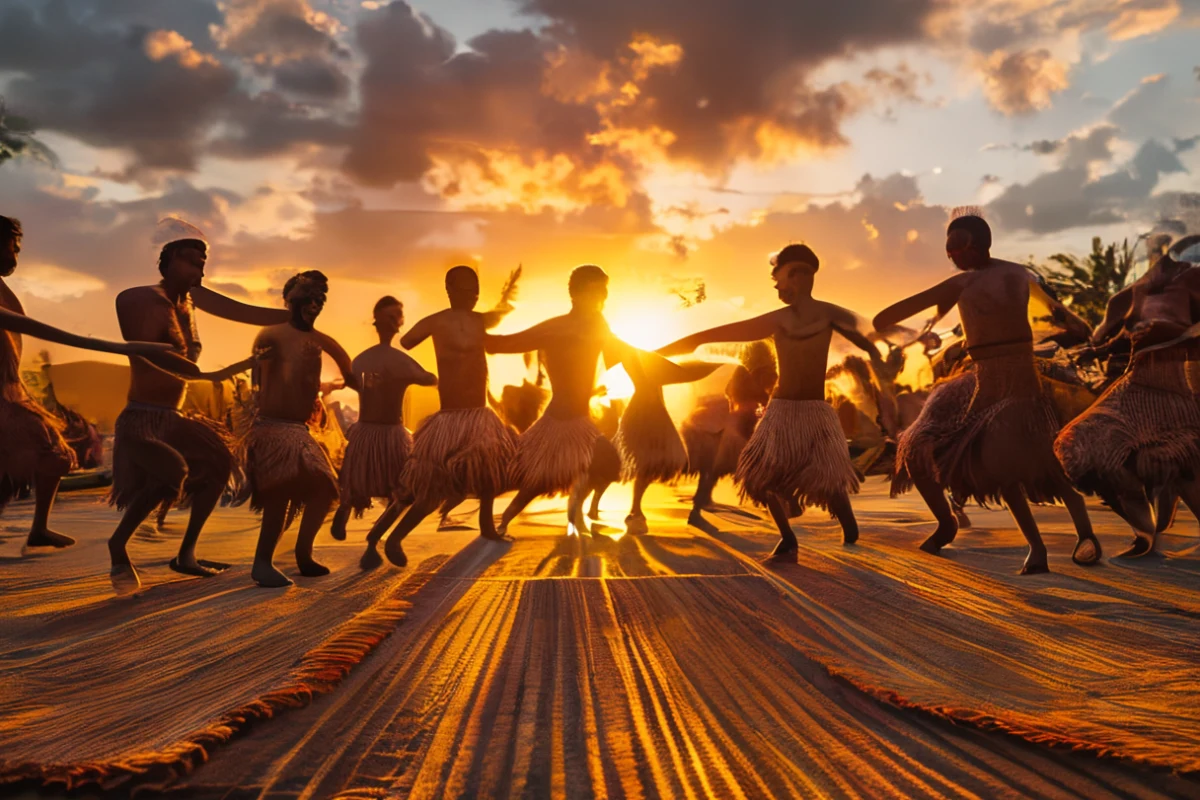
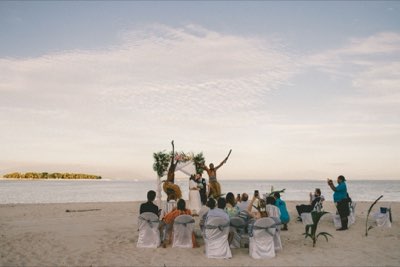
The sun begins to dip below the horizon in Suva, casting long, amber shadows across a village meeting ground. The air grows heavy with the scent of crushed hibiscus and woodsmoke, and then, the sudden, sharp crack of a slit drum breaks the stillness.
In that moment, you realize you aren't just watching a dance; you are witnessing a ritual that has bridged generations for centuries.
The Meke is far more than a choreographed routine; it is a fundamental pillar of Fijian societal structure. Historically, it was the primary way stories were passed down in a culture where oral tradition was the bedrock of knowledge.
It wasn't just "art"—it was the method by which legends of great chiefs, tales of ancient wars, and the origins of clans were kept alive.
It is vital to distinguish between a sacred village ritual and a tourist presentation. In a traditional village setting, a Meke might be performed to honor a visiting chief or to mark a significant transition in communal life.
In these instances, the dance is a serious, sometimes solemn, engagement with the spiritual and social hierarchy. In a resort setting, the movements are often streamlined for an audience, but the core elements of rhythm and storytelling remain.
The performance relies on a delicate balance of three core elements: movement, chanting, and percussion. The dancers do not move in isolation; their movements are dictated by the cadence of the chants and the driving beat of the *lali* (wooden slit drum).
Depending on the occasion—whether it is a celebration of a successful harvest or a ritual of mourning—the tempo, the intensity of the gaze, and the nature of the movements will shift entirely.
But how do you actually read the story being told through the movement?
Deconstructing the Meke: Symbolism in Movement and Sound
A group of dancers stands in a perfect line on the grass, their eyes fixed on a single point in the distance. The lead singer begins a low, guttural chant, and suddenly, the group moves in a single, unified burst of energy, mimicking the strike of a spear or the swell of an ocean wave.
The Meke is a language of motion. Every gesture carries a specific meaning. A sharp, sudden movement might represent a moment of conflict or a hunt, while a fluid, sweeping motion might tell the story of a journey across the sea.
This narrative structure allows the community to "read" the history of their people through the physical execution of the dance.
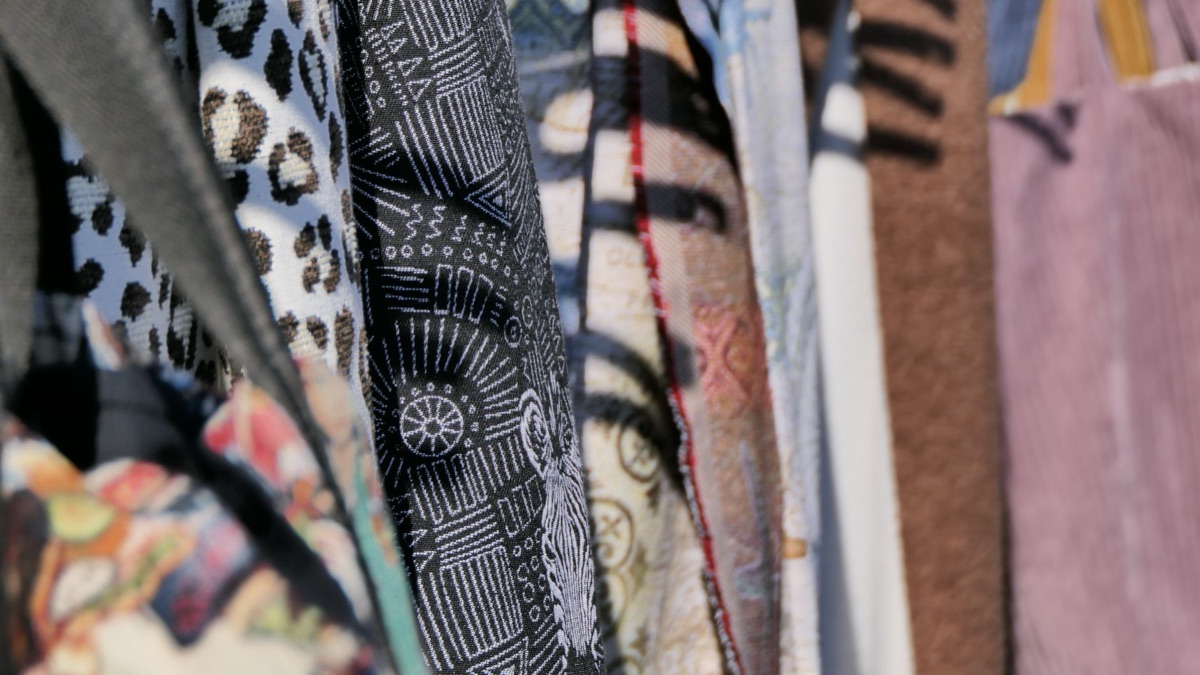
The attire and props are equally communicative. Traditional garments made of *masi* (barkcloth) and intricate floral headpieces are not merely decorative; they signify the status of the dancers and the specific era or story being told.
In some dances, weapons like spears or clubs are used to dramatize historical battles, while in others, fans or hand gestures take center stage to convey emotion.
The relationship between the chant and the dance is symbiotic. The lyrics provide the context—the names of ancestors, the locations of legendary battles, or the names of gods—while the dancers provide the visual manifestation of those words.
This synchronization represents the concept of communal harmony. In Fijian culture, the strength of the group is found in its ability to move as one, a value that is physically demonstrated through the perfect timing of the dancers.
However, knowing the meaning is one thing; knowing how to behave in the presence of such tradition is another.
Meke Etiquette: Navigating the Cultural Nuances
You sit on a low wooden bench at the edge of a village circle, feeling the heat of the evening air. You want to clap along to the rhythm, but you notice the elders in the front row remain perfectly still, their faces masks of quiet respect. You realize there is a protocol to follow.
When visiting a village or attending a cultural presentation, showing respect is the most important rule. The Meke is often a sacred space. It is customary to maintain quiet observation. Avoid loud talking, whistling, or excessive photography during the most intense parts of the performance.
In many traditional settings, photography may even be restricted to certain parts of the ritual.
There is a fine line between participation and observation. In a resort setting, you might be invited to join a simple hand-clapping rhythm, which is a gesture of communal inclusion.
However, in a village setting, you should generally remain an observer unless a local leader explicitly invites you to participate. If you are invited, follow the lead of the elders and move with the same level of decorum they exhibit.
The Meke is often the ultimate expression of the *Bula* spirit—the warm, life-affirming welcome that defines Fiji. It is a way of saying, "We recognize you, and we welcome you into our story." However, remember that the Meke is tied to community schedules.
It is not a scheduled "show" in the Western sense but a living part of the community's rhythm.
But how does this ancient tradition survive in a world of rapid change?
Meke in the Modern Fijian Experience
Walking through a modern shopping district in Nadi, you might see young people wearing traditional patterns on contemporary clothing, a reminder that the old ways are constantly weaving into the new. This same fusion is happening in the cultural heart of the islands.
According to World Bank data, Fiji recorded international tourist arrivals of 168,000 in 2020.
In the modern era, the Meke has adapted. Resorts and cultural centers have created ways to present these dances that honor their roots while making them accessible to travelers. This "authenticity spectrum" is something to keep in mind.
While a resort performance is a curated version of the truth, it is still a way for the community to share its identity with the world.
The Meke is deeply connected to other cultural touchpoints, such as the Kava ceremony. Just as the sharing of Kava is a ritual of social bonding, the Meke is a ritual of communal storytelling. Witnessing a genuine Meke deepens a traveler's connection to Fiji.
It moves the experience beyond simple sun-and-sand tourism and into the realm of genuine human connection. It provides a window into the soul of a people who value history, family, and the strength of the collective above all else.
When you prepare to witness a performance, following a specific protocol ensures you remain a respectful guest rather than an intrusive outsider.
| Aspect | Traditional Village Meke | Resort/Tourist Meke |
|---|---|---|
| Primary Purpose | Community ritual, history, and spiritual connection | Cultural education and guest entertainment |
| Atmosphere | Solemn, sacred, and highly structured | Celebratory, energetic, and engaging |
| Audience Role | Respectful, quiet observation | Participatory and interactive |
| Setting | Village greens, ceremonial grounds | Resort stages, beachfronts |
How to Respectfully Experience a Meke
If you find yourself invited to a ceremony in a village or a formal cultural evening, follow these steps to ensure you honor the tradition:
- Observe the Arrival: When you enter the space, look to the local hosts. Do they stand in silence? Do they sit on the ground? Mimic their level of engagement and posture.
- Mind the Photography: Do not pull out a camera or smartphone the moment the drums start. Wait to see if others are filming. In many villages, photography is only permitted during specific, non-sacred segments.
- Listen to the Chant: Do not let conversation drown out the lead singer. The lyrics are the heart of the story; listen to the cadence to understand the mood of the dance.
- Wait for Invitation: Never attempt to join the dance or the rhythm unless a host directly gestures for you to participate. In a village, "joining in" without an invitation can be seen as a breach of social hierarchy.
- Dress Appropriately: In a village setting, avoid revealing clothing. Modest attire that covers shoulders and knees is a sign of respect for the communal space.
When I first sat through a Meke in a small village outside of Nadi, I felt a sudden wave of self-consciousness about my own movements. I realized that my presence was a privilege, not a right. It taught me that the most profound way to experience a culture is to let it lead you.
#





Comments 0