Fiji's 'Bula': Understanding the Heartbeat of Island Welcome
"Bula" is not just a word you hear at the airport; it is a way of breathing, a way of being, and the very heartbeat of the islands. To hear it is to be welcomed, but to understand it is to truly arrive in Fiji.
* The roots of *Bula* hospitality are woven into the social fabric of Fiji, far predating the tourism industry. * Understanding the nuances of this culture allows you to transition from a mere spectator to a respected guest. * This ethos dictates everything from traditional village protocols to the high-end service standards in luxury resorts.

What does 'Bula' actually mean? Under the gold glow of the morning sun, a local guide placed his hand over his heart and smiled warmly.
The sun was just beginning to crest over the palm fronds in Nadi at 6:15 AM when a local guide approached our group, eyes crinkling with a warmth that felt entirely unscripted.
He didn't just wave; he stood tall, placed a hand near his heart, and said, "Bula!" with a resonance that seemed to shake the morning air.
In a literal sense, *Bula* is a greeting, often translated as "hello" or "cheers." However, its true meaning is much deeper, encompassing life, health, and well-being. When a Fijian greets you with *Bula*, they are essentially wishing you a life of vitality.
It is a holistic wish for your presence to be full of life.
In Western service models, interactions are often transactional—a quick exchange of pleasantries to facilitate a sale or a service. In Fiji, the *Bula* spirit pushes toward the relational. It is about presence. A hurried, distracted "hello" misses the soul of the interaction.
To truly engage in *Bula* is to acknowledge the humanity of the person standing in front of you.
You will encounter various levels of this greeting. "Bula Vinaka" is a common, polite way to say "a very warm welcome" or "thank you." In more formal or ceremonial settings, the greeting becomes a profound ritual of acceptance.
Understanding this spectrum helps you realize that you aren't just a customer; you are a guest being brought into a community of living beings.
But knowing the word is only the beginning of the journey.
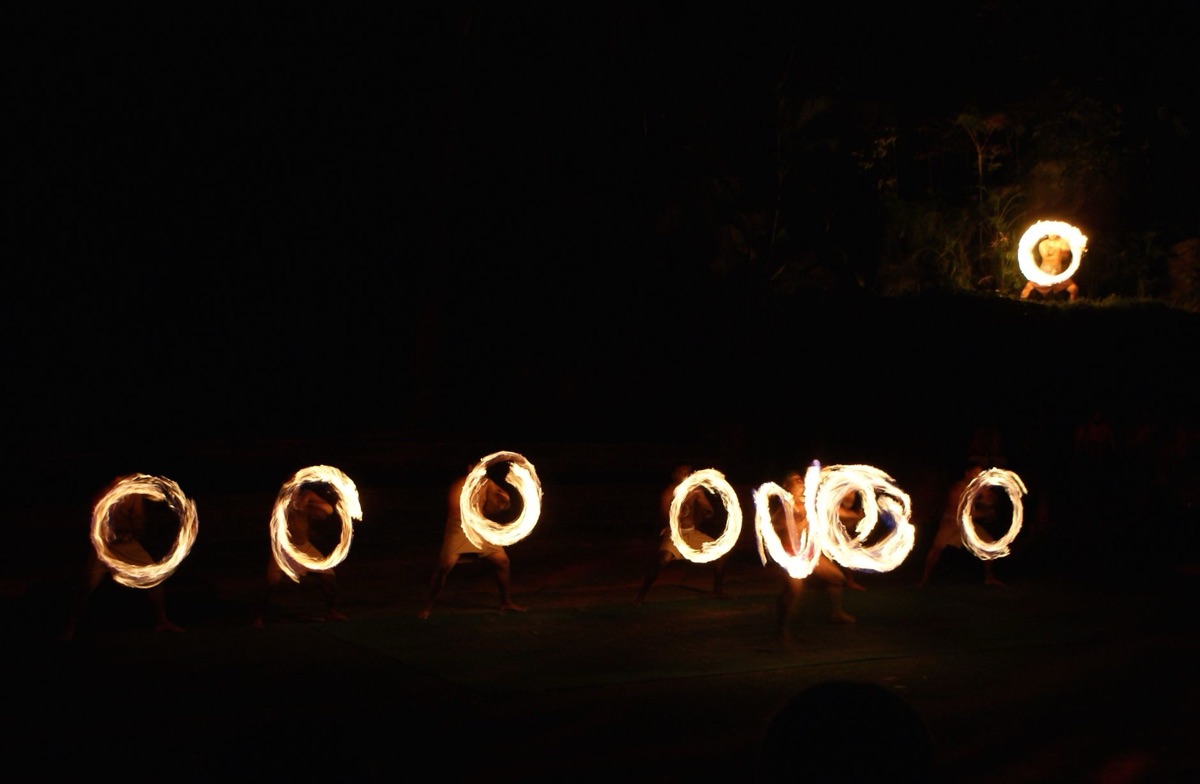
What happens during the rituals of welcome? The air in the village meeting house was thick with the earthy, peppery scent of crushed roots as the elders prepared the ceremonial bowl.
We sat on woven mats at 4:00 PM, the transition from the bright tropical sun to the dim, respectful interior of the *vale* marking a shift in our very sense of time.
The *Kava* ceremony is perhaps the most significant ritual of welcome. Kava, a drink made from the crushed root of a pepper plant, is central to Fijian social structure.
During a ceremony, there is a specific protocol: the preparation of the drink, the sequence of who drinks first (based on status), and the rhythmic clapping that accompanies the serving. It is a way of honoring the *Mataqali* (land-owning clan) and the guests they host.
Beyond the bowl, hospitality is reinforced through communal sharing, such as the *Lovo*. A *Lovo* is an earth oven where food is slow-cooked underground using hot stones. This isn't just a meal; it is a communal event that builds social bonds.
Sharing food in this way is a way of distributing the abundance of the land and honoring the collective.
At the heart of these rituals is the concept of *Mana*. While often translated as spiritual power or prestige, in the context of hospitality, *Mana* is built through respect and the fulfillment of social duties.
By hosting you well, the community demonstrates its *Mana*; by accepting their hospitality with grace, you acknowledge theirs. Modern luxury resorts often integrate these traditions—using kava ceremonies or traditional feasts—to ensure that the "Bula" spirit remains a tangible part of your stay.
However, there is a rhythm to these rituals that can catch a traveler off guard.
Navigating the Fijian Pace: Understanding 'Fiji Time'
We sat on the porch of a small bungalow at 2:30 PM, watching a sudden tropical downpour turn the dirt path into a temporary stream. Our planned boat excursion was delayed by two hours, but instead of frustration, the host simply smiled, poured us more tea, and began telling a story about the reef.
In many parts of the world, punctuality is a rigid metric of respect. In Fiji, you will encounter "Fiji Time." To the uninitiated, this can feel like inefficiency or a lack of organization. However, "Fiji Time" is deeply rooted in the priority of human connection over schedules.
If a conversation is happening or a community need arises, the schedule must wait.
This flexibility is not about being late; it is about being present. If a villager stops to talk to you, that interaction is more important than the tour you were supposed to start at 9:00 AM. For the traveler, the challenge is balancing your itinerary with this natural rhythm.
To make the most of your trip, you must learn to slow down. If you approach your travels with a rigid checklist, you will likely miss the very essence of the islands.
Embracing a bit of "Fiji Time" allows you to move from a state of constant rushing to a state of genuine connection with both the environment and your hosts. But how do you actually practice this without feeling lost?
The Modern Traveler's Guide to Cultural Immersion
The village elder stood at the entrance of the meeting house, draped in a traditional *masi* (barkcloth), looking at our group of hikers with a gaze that was both piercing and kind. We realized then that our casual beachwear was a silent breach of the respect we had promised to show.
When visiting local villages or engaging in cultural tours, certain etiquette is essential. Here is a guide to navigating these interactions:
| Aspect | Recommended Behavior | Why It Matters |
|---|---|---|
| Dress Code | Wear modest clothing; cover shoulders and knees when entering villages. | Shows respect for local customs and traditional values. |
| Gifts/Contributions | If invited to a village, consider a small contribution or gift (like food or supplies). | Acknowlednotes the hospitality and the effort of the hosts. |
| Photography | Always ask for permission before taking photos of people or ceremonies. | Respects the privacy and sanctity of local traditions. |
| Interaction | Approach elders first; listen more than you speak. | Honors the social hierarchy and demonstrates humility. |
It is important to distinguish between observing a culture and appropriating it. Respectful engagement means participating in the spirit of the moment—like joining a dance or tasting a dish—without turning a sacred ritual into a mere photo opportunity. Reciprocity is key.
While you are there to experience their culture, offering your genuine respect, a polite smile, and your full attention is the best way to give something back.
To navigate a village visit successfully, follow these steps:
- Prepare your attire: Ensure you have a sarong or long skirt in your bag to cover up before arriving at a village entrance.
- Enter with humility: Walk into the communal space quietly and wait to be directed to a seat.
- Observe the hierarchy: Watch who is seated in the center or at the head of the group and allow them to lead the conversation.
- Engage through listening: When an elder speaks, maintain soft eye contact and listen fully before responding.
- Express gratitude: Use "Vinaka" (thank you) frequently to acknowledge the hospitality you receive.
While following these steps, you might wonder why such effort is necessary for a simple vacation.
Why Does This Matter to Your Trip?
The luxury of a private villa overlooking the Yasawa Islands is magnificent, but the true luxury lies in the moment a local guide shares a profound truth about the sea that changes your perspective forever. According to the World Bank, Fiji recorded a GDP per capita of US$6,642 in 2025.
Deep cultural understanding transforms a vacation into a life-changing experience. When you understand the *Bula* spirit, you realize that the high-end service in a luxury resort isn't just "service"—it is a professional extension of a thousand-year-old tradition of hospitality.
This understanding changes how you perceive the quality of your guides, your staff, and your local interactions.
Furthermore, respectful engagement supports the sustainability of the local community. When travelers value the culture as much as the scenery, it incentivizes the preservation of those very traditions.
By choosing to engage deeply, you contribute to a travel model that honors the people of Fiji as much as the beauty of its islands.
Understanding the "why" behind the "Bula" allows you to navigate your journey with purpose. It turns a simple trip into a meaningful exchange of humanity.
#







Comments 0