Fiji Travel Guide: Cyclone Risk & Local Costs for Your Trip
"The ocean is beautiful, but the weather can change in a heartbeat."
Before you pack your linen shirts and snorkel gear, you need to understand the logistical reality of traveling to the South Pacific. Planning a trip to Fiji requires balancing the dream of turquoise waters with the practicalities of island hopping, seasonal weather shifts, and local cost structures.
* Island Choice: Viti Levu offers convenience and culture, while outer islands like the Mamanucas provide seclusion. * Budgeting: Expect higher costs for food and transport than in mainland destinations; plan for hidden transfer fees. * Weather Awareness: Cyclone season requires flexible booking and comprehensive travel insurance. * Cultural Respect: Understanding "Fiji Time" and Kava etiquette is essential for a smooth social experience.
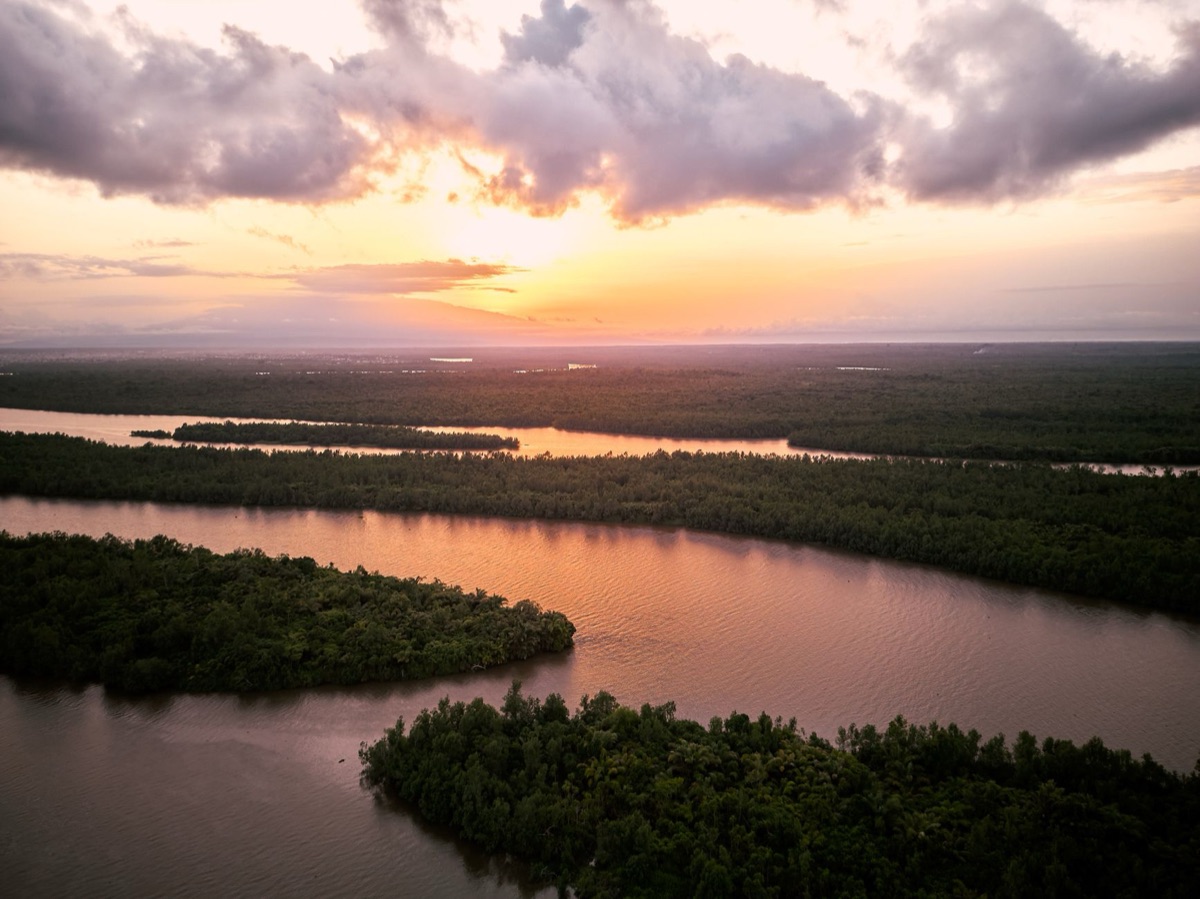
Fiji: Mainland vs. Outer Islands – Where Should You Go?
The sun hits the deck of a small propeller plane as it banks over a string of coral atolls, turning the water from navy to electric turquoise. You look down at your itinerary, wondering if you made the right choice between staying on the big island or heading to a remote cay.
Viti Levu serves as the heartbeat of the country. Most international flights land in Nadi, making this the primary hub for travelers. It offers the most infrastructure, including large resorts, diverse dining, and easy access to the Sigatoka Sand Dunes or the Sabeto Valley.
If you are traveling with young children or want to minimize transit time, staying on the mainland or nearby Denarau is often the most practical choice.
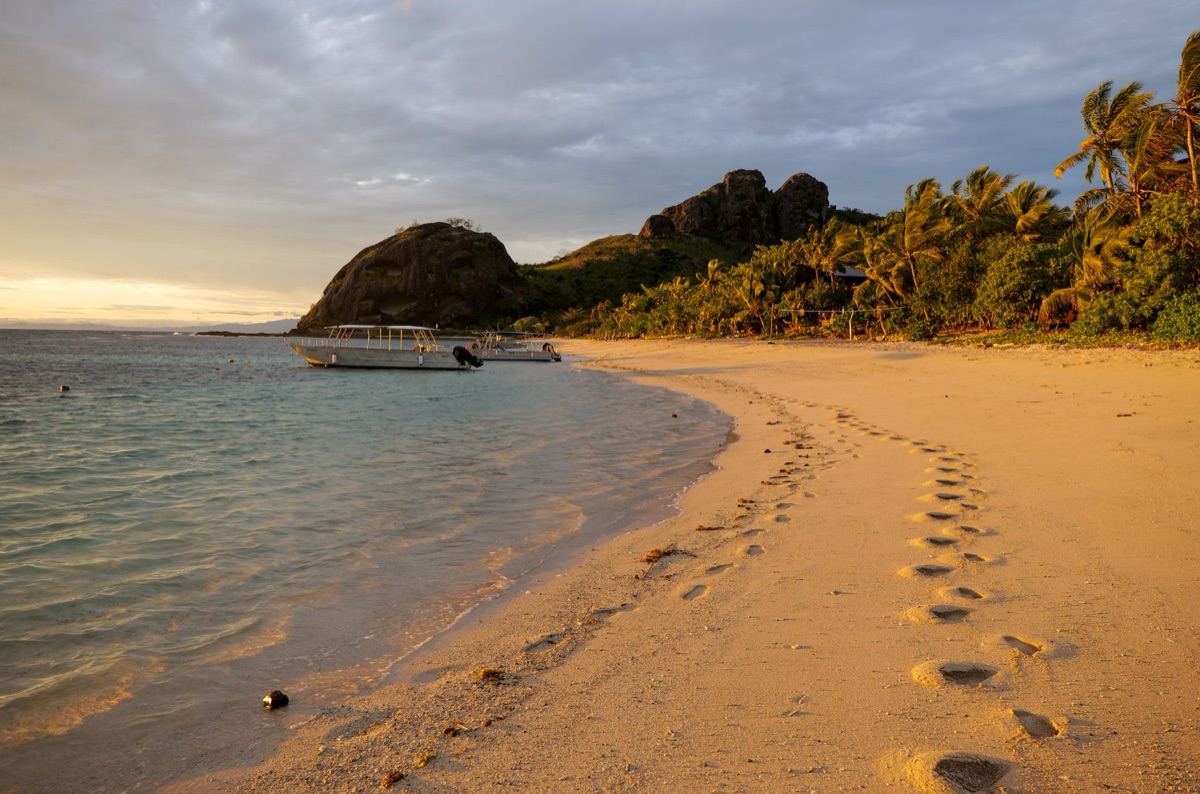
In contrast, the outer islands—such as the Mamanuca Islands or the Yasawa Group—are designed for pure escapism. These islands offer the classic "castaway" luxury, often accessible only by boat or small aircraft.
While the scenery is unparalleled, you must account for the extra time and cost required to reach these remote locations.
| Feature | Viti Levu (Mainland) | Outer Islands (Remote) |
|---|---|---|
| Accessibility | High (Direct international flights) | Moderate to Low (Requires boat/seaplane) |
| Cost Level | Variable (Budget to Luxury) | Generally Higher (Includes transfer costs) |
| Activities | Cultural tours, hiking, shopping | Snorkeling, diving, seclusion |
| Best For | Families, first-timers, convenience | Honeymooners, divers, adventurers |
If you choose an outer island, remember that logistics are often dictated by the sea. A sudden swell can delay a ferry, so always build a buffer into your travel schedule.
Decoding the Fijian Budget: What Does "Mid-Range" Really Mean?
A waiter sets a heavy wooden bowl on a low table, the scent of coconut milk and lime wafting through the warm evening air. You check your wallet, wondering if the "all-inclusive" label on your resort brochure covers the reality of dining in a tropical paradise.
Budgeting in Fiji can be tricky because "mid-range" in a luxury resort setting is significantly more expensive than a mid-range hotel in a major American city.
For a standard mid-range experience—think a comfortable 4-star resort with decent amenities—budgeting roughly $250 to $400 USD per night for accommodation is a common starting point. Luxury overwater bungalows can easily exceed $1,000 USD per night.
Activity pricing also adds up quickly. A private snorkeling boat charter might cost $300 to $500 USD, while a guided day trip to a nearby island usually falls between $100 and $200 USD per person.
When planning your daily spending, you must account for the fact that many resorts charge premium prices for meals. If your accommodation does not include breakfast or lunch, your daily food budget could easily reach $100 USD per person.
Don't forget the hidden costs. Inter-island transfers via speedboat or seaplane are often priced separately from your room rate.
Additionally, while tipping is appreciated, it is not strictly mandatory in the way it is in the U.S., but rounding up or leaving a small amount for exceptional service is common.
Cyclone Season & Travel Safety: Planning Beyond the Postcard
The wind begins to howl against the thatched roof of the bungalow, and the sky turns a bruised, heavy purple. You realize that the tropical paradise you envisioned has a much more powerful side.
The primary weather risk in Fiji is the cyclone season, which typically runs from November through April. While you can visit year-round, this period carries the risk of severe tropical storms that can disrupt flights, cause power outages, and lead to sudden resort closures.
To stay safe, you should monitor the Fiji Meteorological Service regularly. They provide the most accurate local warnings regarding cyclone tracks and intensity. If a "Cyclone Watch" or "Cyclone Warning" is issued, follow the instructions of your resort staff immediately.
They are trained in local emergency protocols and will know whether to shelter in place or evacuate.
Because of this seasonal volatility, travel insurance is not optional—it is a necessity. Ensure your policy specifically covers "trip cancellation" and "trip interruption" due to severe weather.
If a cyclone forces a flight cancellation or a resort to close, you do not want to be stuck with thousands of dollars in non-refundable losses. Always book with flexibility in mind, choosing airlines and hotels that offer reasonable cancellation windows.
Navigating Fijian Culture: Beyond the Beachfront
You sit cross-legged on a woven mat, the smell of earthy, fermented roots filling the room as the village elder prepares the ceremonial bowl. There is a profound silence in the room, a respect for the ritual that transcends the language barrier.
Fijian culture is deeply rooted in community and tradition. One of the most significant cultural touchpoints is the Kava ceremony. Kava is a traditional drink made from the crushed root of a pepper plant, known locally as *yaqona*.
When participating in a ceremony, there are specific protocols: you usually clap once (*cobo*), take the drink in one go, and clap again. It is a communal experience that signifies respect and social bonding.
You will also encounter "Fiji Time." This is the local approach to scheduling, where things happen when they are meant to happen, rather than according to a rigid clock.
While this can be frustrating if you are on a tight schedule, leaning into this slower pace is the key to truly experiencing the islands.
When visiting local villages, always dress modestly—shoulders and knees should be covered. If you are invited to join a *lovo* (an earth-oven feast), you are in for a treat.
The meat and vegetables are slow-cooked underground using hot stones, resulting in a smoky, tender meal that is a staple of Fijian celebrations.
Essential Logistics: Getting Around Fiji Like a Local (or Tourist)
A small propeller plane bounces gently as it descends toward a landing strip carved into a lush green island. You look out the window, realizing that your next destination is only a short flight away, yet it feels like a different world.
Getting from point A to point B in Fiji requires a mix of air and sea travel. For traveling between the main islands like Viti Levu and Vanua Levu, domestic flights are the most efficient method. Small airlines operate frequent routes, but these flights are often subject to weather delays.
For traveling to smaller islands like the Mamanucas or Yasawas, you will primarily rely on: 1. Speedboats: Fast and efficient for short distances from Denarau, but can be a bumpy ride in choppy waters. 2.
Catamarans/Ferries: Larger vessels that are more stable and often more cost-effective for groups. 3. Seaplanes: The ultimate way to travel, offering incredible views and direct access to remote resorts, though they are the most expensive option.
When booking transfers, always clarify if the price includes pier fees or fuel surcharges. If you are staying on a remote island, check with your resort regarding their specific pickup locations, as some boats depart from private jetties rather than public docks.



Comments 0