Fiji Waters: Match Your Skill to the Perfect Dive Adventure
"The ocean doesn't care about your resume; it only cares about your respect for the current."
Whether you are floating weightlessly over a neon-colored coral garden or staring into the dark eyes of a bull shark, Fiji’s waters offer a spectrum of intensity that can accommodate anyone from a toddler to a professional diver.
The key to a successful trip is matching your physical comfort level and certification status to the right environment.
* Activity Spectrum: Fiji caters to all skill levels, offering structured tours for beginners through deep-dive excursions. * Planning is Key: Match your itinerary (Island Hopping vs. Resort Stay) to the activity type for optimal experience. * Safety First: Always prioritize certified operators and adhere to local marine safety guidelines. * Cultural Immersion: Consider pairing aquatic adventures with local Fijian cultural experiences, such as a traditional Kava ceremony, to balance the adrenaline.
🐠 Beginner Adventures: Discovering Fiji’s Underwater Wonders
The sun hits the surface of the Mamanuca Islands at 10:00 AM, turning the turquoise lagoon into a shimmering sheet of glass. You slip into the water, the warmth enveloping you like a familiar blanket, and realize you don't even need to swim hard to see a sea turtle gliding past.
These gentle lagoon environments are perfect for families, casual travelers, and those who might feel a bit nervous about the open ocean. In areas like the protected lagoons around the Yasawa Islands or near many of the larger resorts on Viti Levu, the water is calm, clear, and relatively shallow.
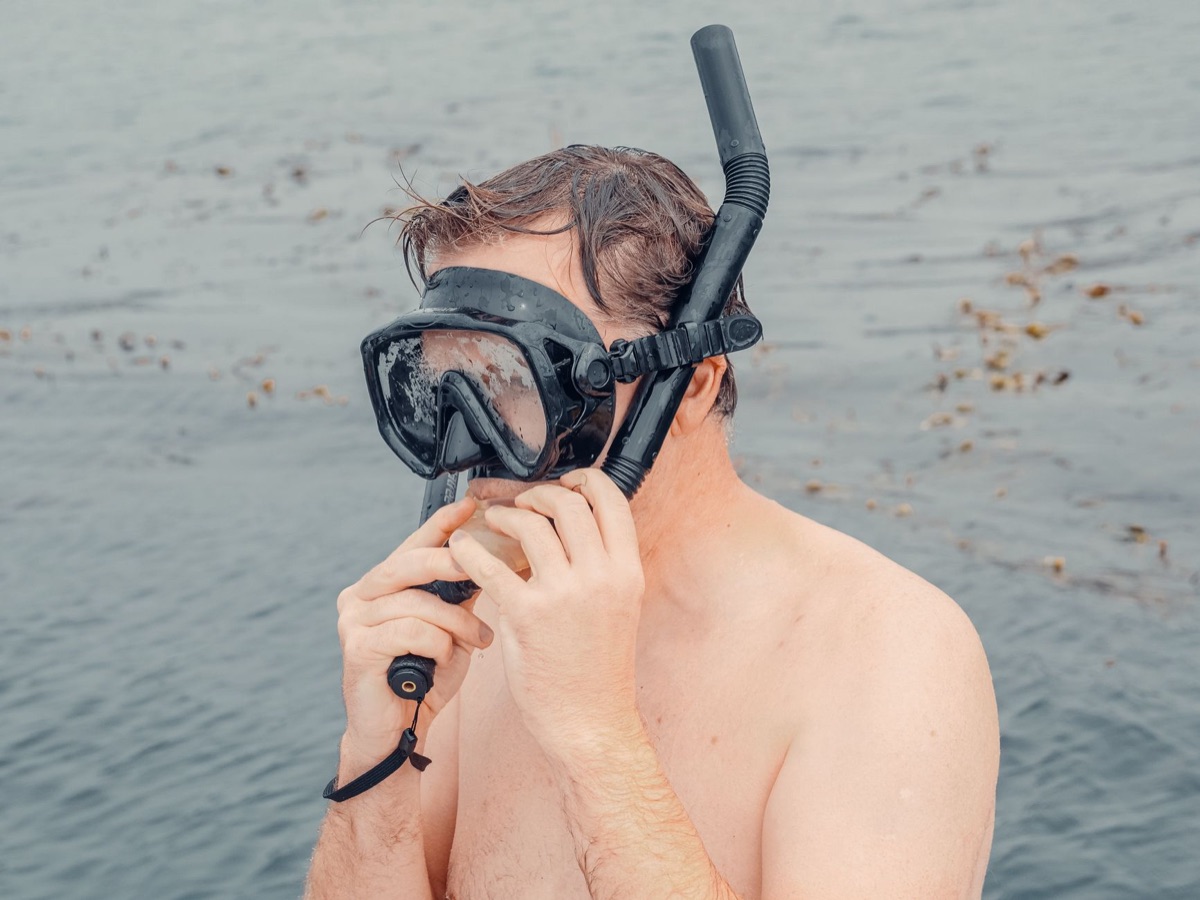
This makes it an ideal setting for mask and snorkel sets rather than heavy scuba gear.
When preparing for a snorkeling excursion, a basic checklist includes a high-quality mask, a snorkel, fins, and a rash guard for sun protection. Most half-day tours last about four hours, typically departing in the morning to catch the clearest visibility.
Because the water is so accessible, you can encounter a massive variety of tropical fish without needing to dive deep. Beyond the visual spectacle, there is a profound psychological benefit to these moments.
According to the *Journal of Outdoor Recreation and Tourism* (2023), after adjusting for various factors, the activity of sea swimming or snorkeling was found to be significantly associated with better mental well-being.
But what happens when the water turns from a bright turquoise to a deep, intimidating indigo?
🦈 Thrill Seeker’s Guide: Advanced Diving & Shark Encounters
The boat engine cuts out, leaving only the sound of rhythmic waves against the hull as the captain points toward a patch of deep, indigo water. You check your regulator one last time, feeling the weight of the tank on your back and the slight tremor of excitement in your hands.
For those seeking a higher adrenaline rush, Fiji offers world-class shark diving and advanced scuba experiences. Unlike the calm lagoons, these activities require specific skill levels.
For introductory "discovery" dives, you will be accompanied by an instructor, but for more intense encounters—such as shark diving in the Beqa Lagoon—having an Advanced Open Water certification is highly recommended.
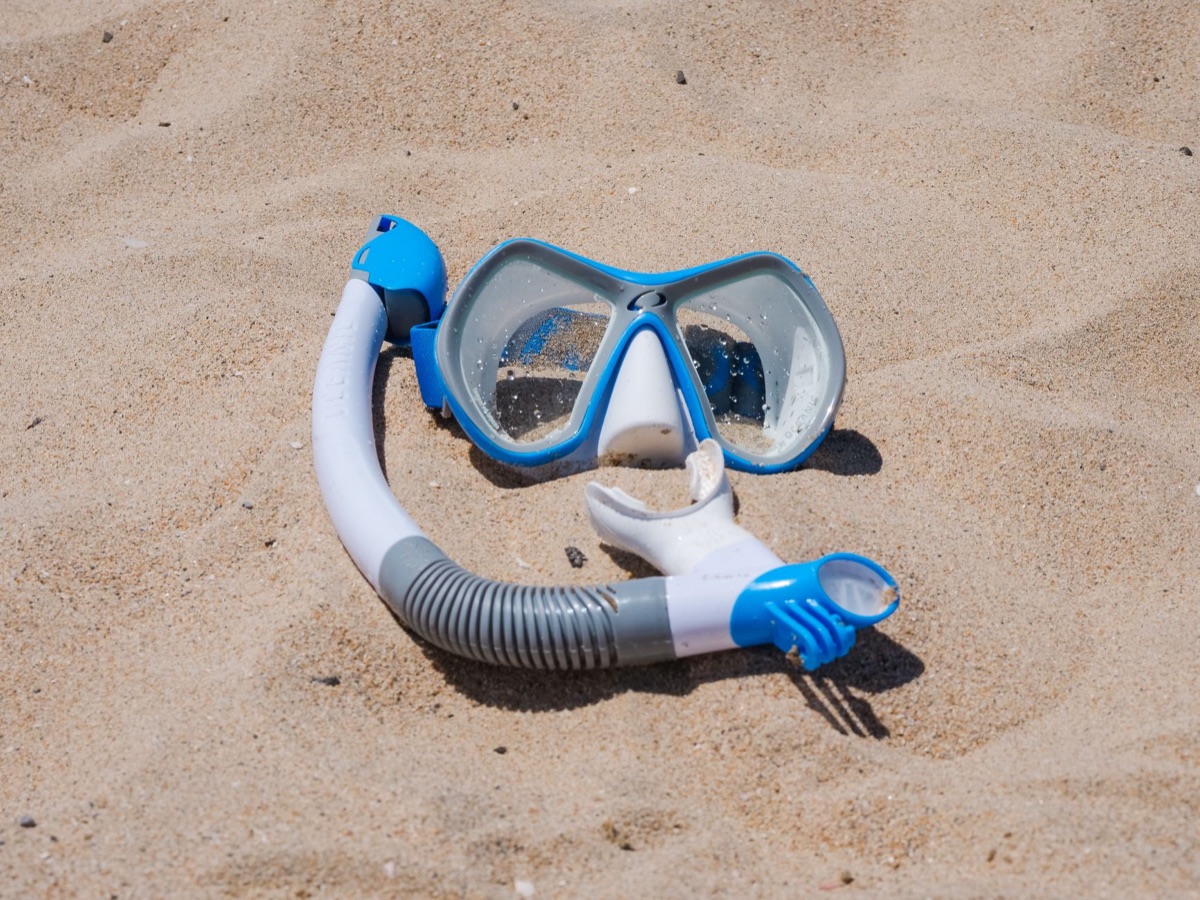
Shark diving logistics involve strict protocols. Reputable operators will provide a detailed briefing on hand signals, buoyancy control, and how to remain calm. In these high-adrenaline environments, you aren't just swimming; you are managing your own buoyancy and staying mindful of the current.
It is essential to complete all pre-dive prep, including physical readiness checks and reviewing your certification credentials, before booking these high-intensity tours.
However, the thrill of the hunt is only one side of the coin.
🏄 Beyond the Surface: Surfing & Water Sports Adventures
A thick, glassy swell rolls toward the shore of Cloudbreak, the perfect shape of a moving mountain. A surfer paddles out, timing the rhythm of the ocean, waiting for that one perfect moment to transition from paddle to stand-up.
Surfing in Fiji is a tale of two worlds. On one hand, you have the legendary breaks that draw professional surfers from around the globe, requiring advanced skills and sometimes a boat transfer to reach the swells.
On the other hand, many coastal areas offer excellent beginner-friendly breaks perfect for lessons.
| Activity Type | Skill Level | Best For | Typical Gear/Requirement |
|---|---|---|---|
| Lagoon Snorkeling | Beginner | Families & Casual Travelers | Mask, Snorkel, Fins |
| Scuba Diving | Intermediate/Advanced | Enthusiasts | Full Scuba Kit & Certification |
| Shark Diving | Advanced | Thrill Seekers | Professional Supervision |
| Surf Lessons | Beginner/Intermediate | Adventurers | Surfboard & Instructor |
When planning, consider the season. The optimal months for surfing are typically during the cooler months (May to something like October) when the swells are more consistent, whereas the calmer months are often better for snorkeling and clear-water visibility.
But how do you choose where to sleep to make these adventures possible?
✈️ Tailoring Your Trip: Matching Activity to Your Fiji Base
You sit on your private deck at a remote island resort, watching the sunrise hit the reef, realizing that your choice of lodging has determined your entire daily routine.
In one corner of the archipelago, you are minutes away from a dive site; in another, you are a boat ride away from the nearest reef.
Your choice of accommodation dictates your accessibility. If you stay at a large resort on the main islands (like Denarau or parts of Viti Levu), you will have easy access to a wide variety of water sports and structured tours.
However, if you choose an island-hopping itinerary through the Yasawas, you might find yourself in more remote, pristine environments that require more logistical planning but offer much higher quality snorkeling.
For families, choosing a resort with a dedicated kids' club allows parents to participate in advanced diving while children enjoy supervised lagoon activities. For honeymooners, the focus might shift to private boat charters that offer secluded snorkeling spots far from the crowds.
Always account for inter-island travel timing; boat transfers can take several hours, so schedule your high-energy activities on days when you aren't traveling between islands.
But how do you keep these beautiful worlds alive for your next visit?
🧭 Safety & Sustainability: Responsible Underwater Exploration in Fiji
You reach out to touch a piece of coral, but then you remember the briefing: the reef is a living, breathing organism, and your touch could cause irreversible damage. You pull your hand back, maintaining a respectful distance.
Responsible exploration is the cornerstone of Fijian tourism. Marine life etiquette is non-negotiable: never touch the coral, do not chase sea turtles, and keep a respectful distance from sharks.
The health of the reef is what makes these adventures possible, and even a small amount of sunscreen can harm the ecosystem. If you use sun protection, opt for reef-safe, mineral-based versions.
Operational safety is equally vital. Always choose reputable, certified local operators who adhere to international safety standards. In the event of a sudden weather change or cyclone season, follow the instructions of local authorities immediately.
By practicing sustainable tourism, you ensure that the vibrant underwater worlds you visit today remain intact for the next generation of adventurers.
To make your planning easier, follow this essential preparation checklist:
- Verify Certifications: Ensure your scuba certification is current and matches the depth of your planned dive.
- Check the Season: Plan for May through October if you want consistent surf, or November through April for warmer water.
- Pack Reef-Safe Gear: Bring mineral-based sunscreen and high-quality masks to avoid equipment failure in the water.
- Coordinate Logistics: Book boat transfers at least 24 hours in advance to avoid being stranded between islands.
- Respect Local Rules: Always listen to the dive master's briefing before entering the water.




Comments 0