Beyond Greeting: Understanding 'Bula' in Fijian Culture
Unlock the heart of Fiji: A traveler's essential guide to navigating the deep traditions, genuine warmth, and unspoken etiquette of the Fijian way of life.
Fijian hospitality is a profound cultural exchange, not just a service. The Kava ceremony is a structured ritual requiring specific protocols for genuine participation. Understanding the nuances of local traditions ensures you transition from a mere spectator to a respectful guest.
* Bula is a way of life: It represents well-being and connection, not just a "hello." * Kava etiquette is non-negotiable: Follow the clap-drink-clap sequence to show respect. * Respect the village: Modest dress and permission are required when entering local communities. * Embrace "Fijian Time": Flexibility is the key to enjoying the local rhythm.
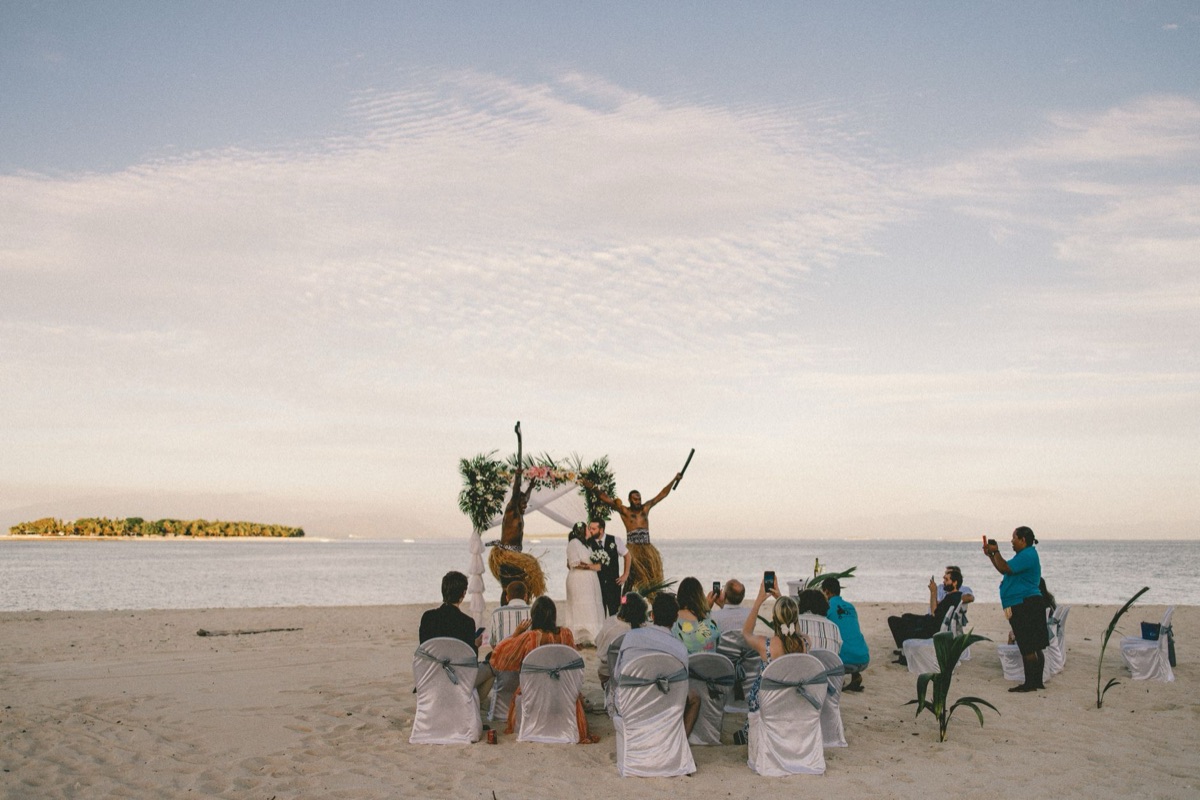
Welcome to the Fijian Spirit: Understanding *Bula* and Hospitality
The sun hangs low over the Mamanuca Islands in July 2026, casting a golden hue over a wooden porch where a local host smiles broadly. He doesn't just wave; he leans in, eyes bright, and says, "Bula!" with a warmth that feels like it reaches his very soul.
In Fiji, *Bula* is much more than a casual greeting you hear at the airport. While it translates roughly to "life" or "health," it serves as a profound expression of well-being and a desire for connection between two people.
When a local greets you with *Bula*, they are essentially inviting you into their state of being. To reciprocate, a simple, sincere "Bula" accompanied by a genuine smile is the best way to acknowledge this invitation.
The hospitality you will encounter is deeply rooted in a tradition of communal sharing. In many Western cultures, service is often transactional—you pay, and you receive. In Fiji, hospitality is often seen as a way to build community.
While you will certainly experience high-end resort service, the true heart of the islands lies in the generosity of the people. They share what they have, often expecting nothing in return but your presence and respect.
This spirit is unified across the archipelago, yet it varies slightly between the bustling hubs of Viti Levu and the more traditional, quiet outer islands.
As you prepare for your journey, the most important mindset shift is learning to embrace "Fijian Time." Schedules in the villages often run on the rhythm of the sun, the tides, or community needs.
If a planned meeting or a boat departure is delayed, do not view it as a failure of planning; view it as an invitation to slow down and exist in the moment.
But what happens when you move from the casual warmth of a greeting to the gravity of a sacred ritual?
The Sacred Ritual: Navigating the Kava Ceremony
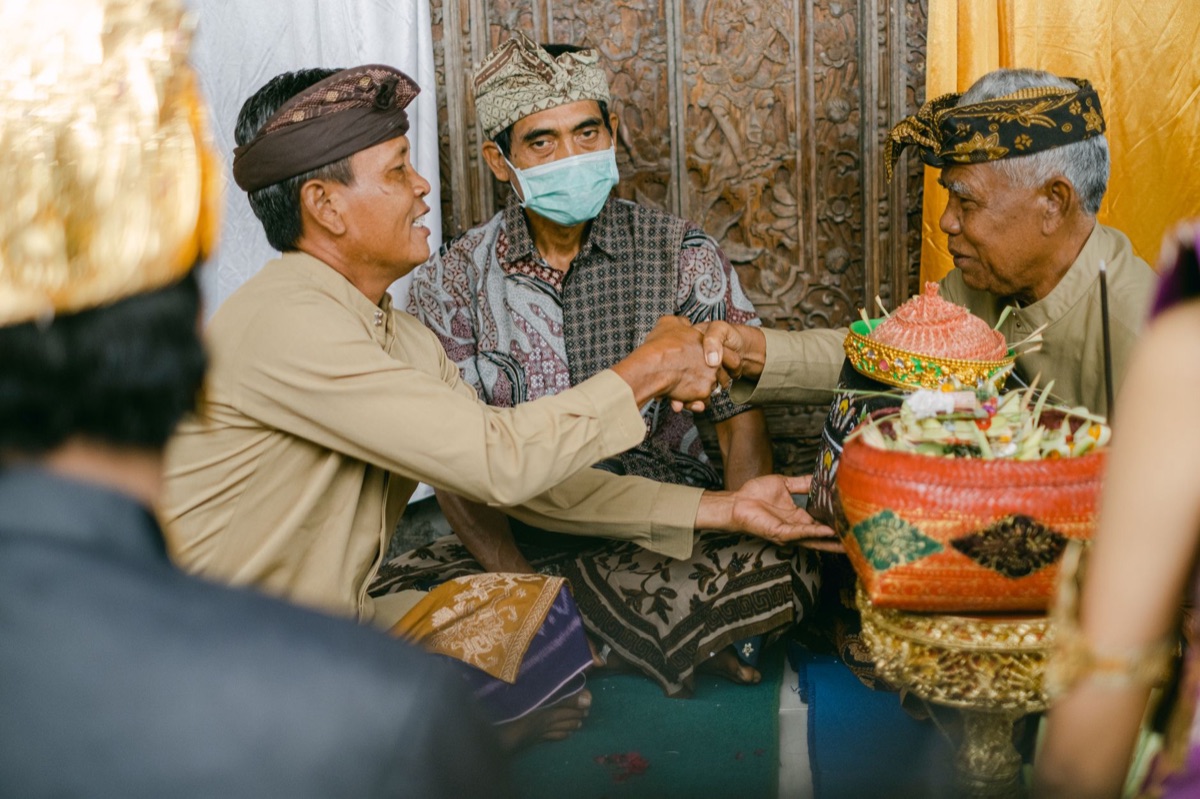
The air in the village meeting house, or *vale*, is thick with the earthy, peppery scent of crushed roots. A large wooden bowl sits in the center of the room, and the atmosphere is quiet, expectant, and deeply respectful.
Kava (known locally as *yaqona*) is a drink made from the dried and pounded root of the *Piper methysticum* plant. It has been central to Fijian social and ceremonial life for centuries.
It is not an intoxicant in the way alcohol is; rather, it provides a mild sedative effect that promotes relaxation and social cohesion.
If you are invited to a Kava ceremony, you are participating in a sacred ritual. To ensure you do so respectfully, follow this standard protocol:
- The Offering: The ceremony usually begins with the highest-ranking person or chief being served first.
- The Preparation: The kava is prepared in a large wooden bowl called a *tanoa*.
- The Pour: Someone will ladle the drink into a small coconut shell cup (*bilo*).
- The Clap and Drink: When your *bilo* is presented, you must stand (if appropriate), take the cup in your right hand, and clap your hands once.
- The Sequence: Drink the entire contents of the *bilo* in one go.
- The Final Clap: After setting the empty cup down, clap your hands three times. This signals that you have finished and are ready for the next person.
In a formal setting, silence is often observed during the preparation, and your posture should remain respectful—typically sitting on the floor with legs tucked. Pay attention to the host; if they nod or gesture, follow their lead. This ritual is about honoring the group, not individual consumption.
When I first sat through a ceremony in a remote village in 2025, I was terrified of making a mistake. I remember the weight of the silence and the sudden, sharp sound of the single clap echoing against the thatch.
It taught me that respect is often found in the sounds we make, not just the words we speak.
But how does this structured ritual translate to the vibrant, moving energy of local dance?
Rhythm of the Islands: The Significance of Meke Dance and Local Life
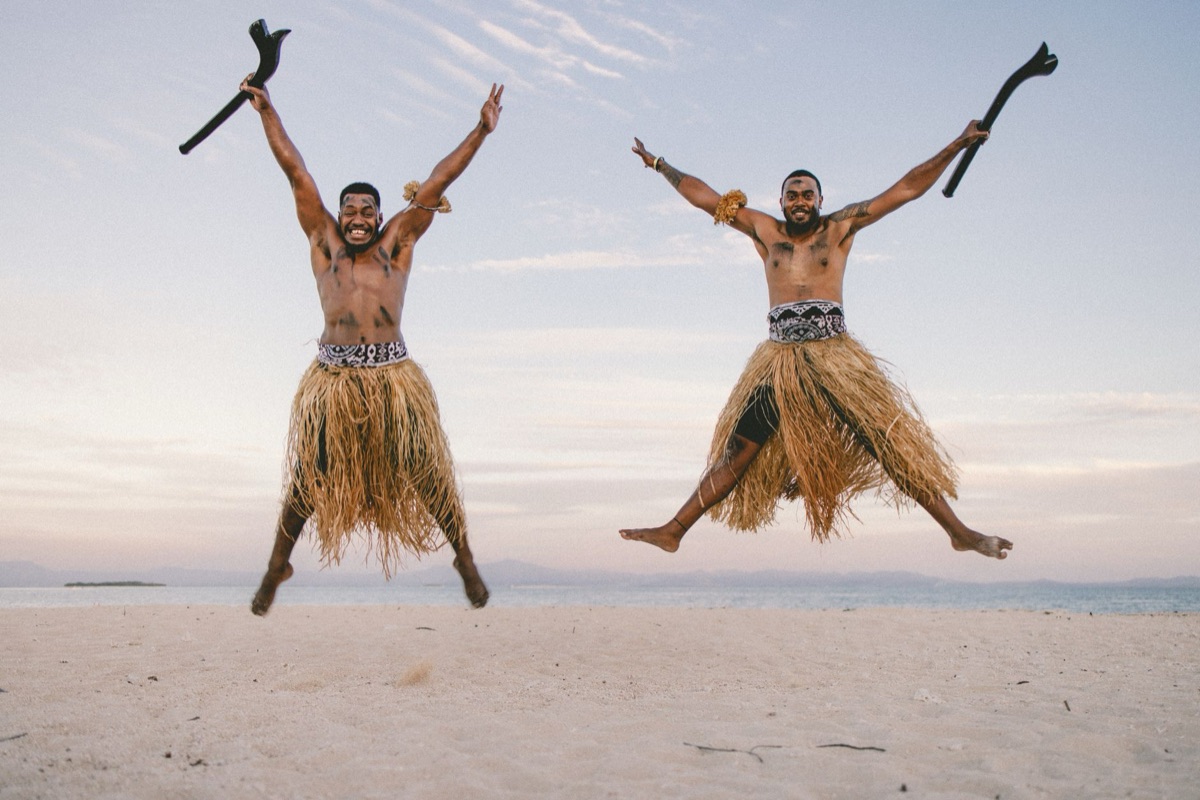
The drums begin a low, rhythmic thrumming that vibrates through the wooden floorboards. Suddenly, dancers burst into motion, their movements sharp, synchronized, and storytelling in nature.
The *Meke* is a traditional form of dance that serves as a living history book. It is not merely a performance for tourists; it is a way to pass down legends, historical events, and social values through song and movement.
Some *Meke* are celebratory, while others tell stories of ancient battles or mythical origins. When you watch a *Meke*, you are witnessing the heartbeat of Fijian heritage.
Beyond the staged performances, genuine cultural immersion happens in the quiet moments of village life. You might see communal gardening, traditional weaving, or children playing in the village square.
To connect respectfully with locals, always seek permission before taking photographs of people or their homes. If you are invited to join a local activity, such as a communal meal, it is a sign of great respect.
Deep immersion requires you to step away from the "tourist" mindset of constant movement. In the villages, life moves at a deliberate pace. To truly understand the culture, you must be willing to sit, observe, and listen.
Often, the most profound insights come not from a guided tour, but from a quiet conversation on a porch or a shared moment of laughter.
However, choosing where to experience this rhythm can be the hardest part of your planning.
Choosing Your Fijian Experience: Island vs. Mainland Dynamics
The turquoise water of a remote lagoon sparkles under a midday sun, far from the sound of any engine. In contrast, a bustling pier in Suva hums with the energy of ferries, local markets, and constant movement.
Choosing where to stay in Fiji often comes down to a choice between deep cultural immersion and modern accessibility.
| Feature | Outer Islands (e.g., Yasawa, Lau) | Mainland/Hubs (e.g., Viti Levu) |
|---|---|---|
| Cultural Depth | High: More traditional, direct village interaction. | Moderate: More cosmopolitan and diverse. |
| Accessibility | Low: Requires boats or small planes; limited transport. | High: Easy access to airports, roads, and shops. |
| Pace of Life | Very Slow: Heavily dictated by nature and local rhythm. | Moderate: More structured and busy. |
| Infrastructure | Basic: Often limited electricity or luxury amenities. | Full: High-end resorts, hospitals, and shopping. |
If you are a first-time traveler looking for a balance of comfort and culture, the main islands like Viti Levu offer incredible luxury resorts that often host cultural demonstrations.
However, if your goal is to truly "get away" and experience a more traditional way of life, the outer islands provide a much more profound connection to the environment and local customs.
When planning your trip, consider a hybrid approach. You might start with a few days on the mainland to aclimatize to the climate and logistics, then take a boat to a remote island to experience the slower, more traditional rhythm of life.
But even with the perfect itinerary, there is one thing that can make or break your relationship with a local community.
Essential Traveler Etiquette: Doing More Than Just Visiting
A traveler stands at the edge of a village, wearing a bright floral shirt and shorts, looking slightly out of place against the backdrop of traditional thatched houses. They pause, realizing they should have chosen something more modest.
To be a respectful guest, you must navigate the nuances of local social norms. This is especially important when visiting villages.
* Dress Code Sensitivity: When visiting a village, avoid revealing clothing. Shoulders should be covered, and shorts should ideally be of a modest length. In many villages, wearing a *sulu* (a traditional wrap or skirt) is a sign of respect. * Gift Giving: If you are invited into a local home or a village, it is polite to bring a small gift. While not required, items like high-quality tea, biscuits, or even small practical items can be appreciated. Avoid giving large amounts of cash directly to individuals unless it is a specific donation to a community fund. * Respecting Sacred Spaces: Some areas in Fiji are considered *tabu* (sacred or forbidden). Always look for signs or ask your local guide before entering a specific area, such as a burial site or a specific part of a reef. * Navigating Modernity: While Fiji is a modern nation, traditional values remain the foundation of social life. Balancing your modern comforts with a respect for these traditions is the key to a successful visit.
#







Comments 0