Fiji sports historical origins: Guide to early development
"The structure of organized competition often mirrors the shifts in colonial administration and social organization, weaving a complex tapestry of heritage and community identity."
The historical roots of Fiji sports involve a blend of imported traditions and local community engagement that shaped early social structures. This article explores how these developments created a foundation for modern athletic governance and community identity.
Key takeaways: * Examining the historical lineage of competitive sports in Fiji. * Understanding the role of early administrative bodies in organizing play. * Identifying the impact of colonial-era structures on modern athletic culture.
How did early competitive structures begin?
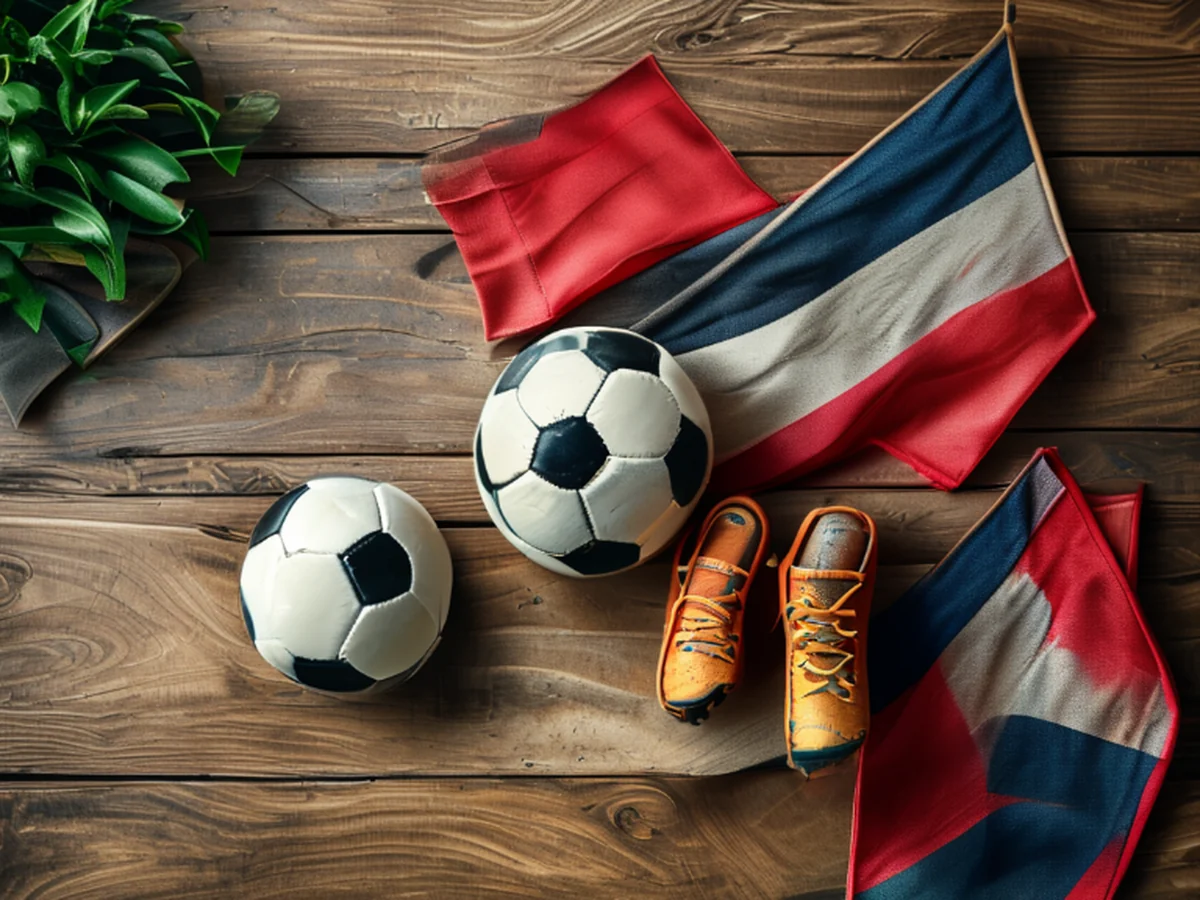
At sunset on the dusty field, a player wipes sweat from his brow while clutching a worn ball that marks the birth of competition in fiji.
An old leather ball sits on a dusty field, marking a spot where local groups first gathered to organize matches. The origins of Fiji sports historical roots can be traced back to the introduction of organized games by external influences during the late 19th and early 20th centuries.
These activities provided a structured way for different social groups to interact under new administrative frameworks.
Early organized play was not merely about physical activity but served as a method of social cohesion. This period saw the transition from informal games to structured matches that required specific rules and oversight.
The development of these early frameworks laid the groundwork for how athletic identity would be perceived in the decades to follow.
The shift toward organized leagues helped establish a sense of community through shared competition. These gatherings often brought together individuals from various backgrounds, creating a unique social environment.
This period of transition remains a fundamental part of the regional athletic narrative.
However, these early frameworks were often limited to specific social classes and did not apply to the broader population.
What role did governing bodies play in early development?
In the dim light of the office, a hand scratches ink onto paper as the official settles a dispute regarding the rules in fiji.

A hand writes names on a ledger, recording the results of a match that changed a community's local standing. The establishment of formal oversight was a critical component of Fiji early sports history.
Without central coordination, the expansion of organized leagues across different regions would have been difficult to sustain.
The need for standardized rules led to the creation of various oversight committees. These groups worked to manage schedules, settle disputes, and ensure that games followed a consistent format.
This administrative layer was essential for turning casual recreation into a recognized social institution.
As these organizations grew, they began to influence how sports were integrated into the broader social fabric. They provided a sense of legitimacy to the competitions, which in turn attracted more participants. This administrative evolution was a key driver in the professionalization of local play.
- Establishing standardized rules for various disciplines.
- Coordinating inter-regional competitions.
- Formalizing membership requirements for participating teams.
How did colonial influences affect sports culture?
A wooden gavel strikes a table, signaling the start of an official meeting regarding league regulations. Exploring Fiji colonial sports roots reveals how external administrative models were applied to local recreational activities.
According to World Bank data, Fiji recorded international tourist arrivals of 168,000 in 2020.

These models often introduced new types of competition and structured hierarchies that were previously uncommon.
The introduction of specific sports and their associated rules changed the way people engaged in physical activity. These games often required specific equipment and venues, which necessitated a higher level of organization.
This shift influenced how different social classes and ethnic groups interacted through sport.
These colonial-era structures often mirrored the administrative divisions of the time. While they provided a framework for growth, they also reflected the power dynamics of the era. This intersection of culture and administration created a lasting impact on the sporting landscape.
I find that the third point regarding cultural imposition is the most significant in this context.
What were the social roles of early clubs?
A group of players gathers in a circle, discussing the strategy for an upcoming weekend match. The social roles of Fiji early club history were deeply tied to identity and community belonging. Early clubs served as more than just athletic teams; they were social hubs for their members.
Clubs provided a sense of place and belonging in rapidly changing social environments. They organized social events, maintained community ties, and offered a structured environment for youth engagement. For many, the club was a central pillar of their social life.

The competition between different clubs often fostered a sense of local pride and healthy rivalry. These relationships helped build networks that extended beyond the playing field. This social cohesion was a vital byproduct of the organized athletic culture.
This analysis does not apply to informal street games or unregulated local matches.
How did missionary education influence athletic participation?
A student sits at a wooden desk, looking up from a textbook to watch a game through a window. The intersection of missionary education and sports provided a unique avenue for the spread of organized athletics.
Schools often became the primary sites for introducing new sports and structured training to the youth.
Educational institutions provided the space, equipment,ly and supervision necessary for consistent practice. This environment allowed for the systematic teaching of rules and techniques. It also integrated physical activity into the daily routine of the community.
The discipline instilled through organized sports often complemented the educational goals of the time. This synergy helped cement the role of athletics within the social and educational structures. The legacy of this influence is still visible in many community-based sports programs.
I believe the second aspect of institutional influence is the most critical here.
How did these historical elements shape the modern era?

A modern stadium stands where a dirt field once existed, reflecting decades of growth and change. The evolution of these early systems led directly to the complex athletic landscape seen today.
The transition from informal gatherings to professionalized associations was a long and multifaceted process.
The administrative foundations laid in the past provided the stability needed for modern leagues to flourish. Without the early groundwork of rules and oversight, the current scale of competition would not have been possible.
This historical continuity is a testament to the enduring nature of organized sport.
While the scale and technology of sports have changed, the core elements of community and competition remain. The historical journey from colonial-era clubs to modern associations shows a constant drive for organization. This evolution continues to shape how society engages with athletic culture.
These historical patterns do not necessarily dictate the trajectory of every modern sport.
Related






Comments 0