Fijian rugby player careers: Navigating paths to Europe how
"The path from local pitches to global stadiums represents a significant shift in how talent is cultivated and exported."
Fijian rugby player careers often involve navigating transitions from local clubs to high-stakes international professional leagues. This movement provides opportunities for players to showcase their skills on the world stage through various global moves.
Key takeaways include the importance of international test matches, the presence of Pacific Island talent in major world cup squads, and the structural shifts in regional rugby alliances.
How do Fijian rugby player careers begin?

A young player stands on a grassy field, feeling the humidity of the Pacific air as they practice drills. This initial stage often involves local club involvement before moving toward professional scouting opportunities.
Fijian rugby pro paths frequently start with domestic dominance before players eye international opportunities. This groundwork is essential for those seeking to turn a passion into a full-time professional occupation.
In the past, regional structures provided a framework for growth, such as when Samoa announced their departure from the Pacific Islands Rugby Alliance in 2009, leaving just Fiji and Tonga in the union. This shift changed the landscape for players seeking stability and competitive growth.
However, the effectiveness of local talent identification is limited when scouting resources are scarce in remote provinces.
What defines Fijian rugby global moves?
At dawn in a crowded airport terminal, a player grips his heavy duffel bag and feels the chill of the air conditioning during his fijian rugby global moves.
A player boards a flight, looking out the window at the clouds while thinking about a new contract in Europe. These transitions are often the result of rigorous training and the ability to adapt to different playing styles.
Fijian rugby global moves are characterized by the ability to integrate into diverse tactical systems in leagues like those in France or the UK. Players must adapt to new climates and professional standards to succeed abroad.
Fijian rugby league routes often involve players representing their nations in major tournaments, which serves as a primary visibility tool. These major events act as a bridge between local talent and global professional leagues.
The selection of squads for major tournaments, such as when Fiji, Samoa and Tonga named their men's squads for the 2026 Rugby League World Cup, highlights the ongoing preparation for international competition. These squads represent the peak of regional talent.
- Identifying talent in local clubs.
- Securing overseas trials.
- Transitioning to professional leagues.
What are the common Fijian rugby career paths?
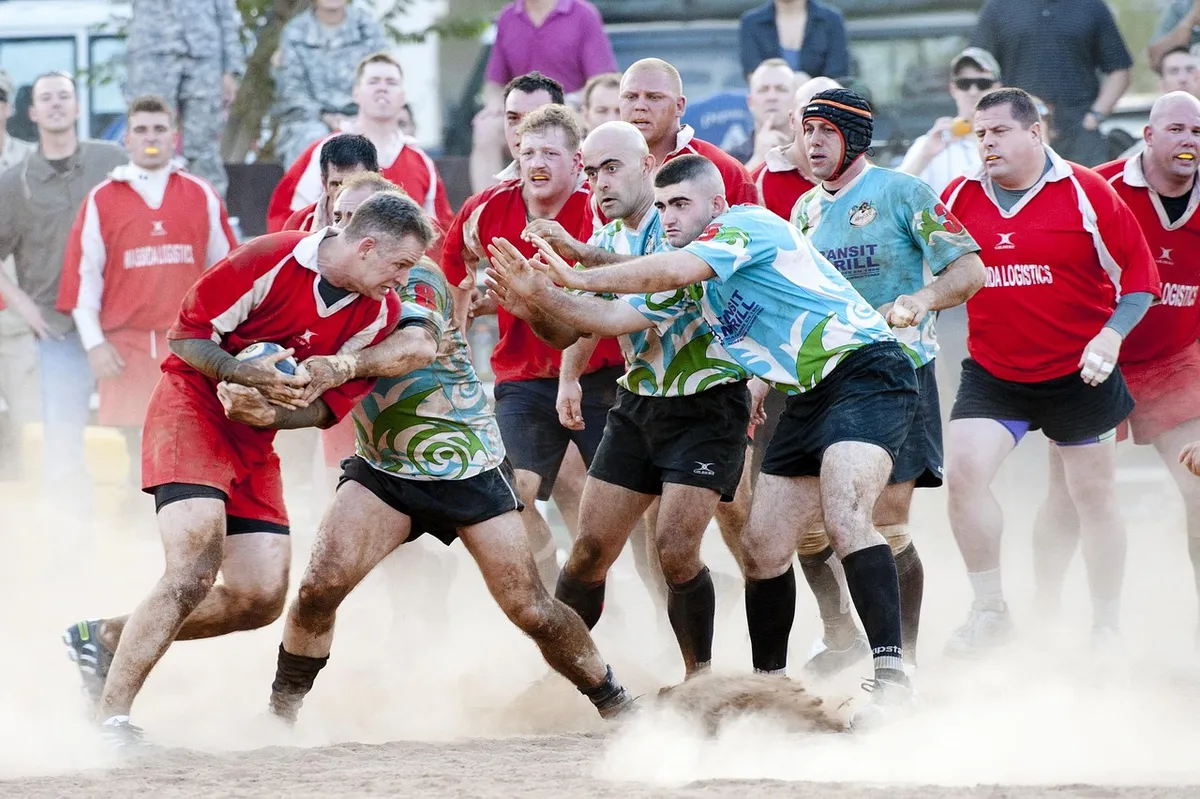
At dawn in a quiet terminal, an athlete grips his heavy bag and feels the chill of the air as he prepares for his fijian rugby career path.
An athlete sits in a meeting room, reviewing a strategic plan for an upcoming season. This professionalization is a key component of moving from amateur status to a career-driven lifestyle.
Fijian rugby career paths are often shaped by the need to balance national representation with club commitments. Players frequently navigate the tension between staying close to home and pursuing lucrative overseas contracts.
Fijian players in Europe often find themselves in high-pressure environments that demand both physical strength and tactical intelligence. This immersion in different rugby cultures helps refine their technical skills.
Fijian rugby overseas moves require a high level of mental resilience to handle the cultural shifts and isolation. Success in these moves often leads to more stable professional roles.
In this sequence, the second step is the most significant.
How is professional readiness measured?
A coach watches a player execute a perfect tackle during a high-intensity training session. Measuring readiness involves both physical performance and the ability to handle professional-level scrutiny.
Fijian rugby pro scouting often focuses on specific physical attributes and the ability to perform under pressure. Scouts look for players who can translate their natural talent into structured team environments.
Fijian rugby league routes rely heavily on the visibility provided by international matches. These games allow scouts to see how players perform against top-tier opposition.
The preparation for major events, such as the confirmation that South Africa Rugby and the Fiji Rugby Union will play a Test two weeks before the Men’s Rugby World Cup 2027, shows the strategic nature of modern player development. These matches are vital for testing readiness.
This assessment does not apply to players who have not yet entered a professional training environment.
How do players manage international obligations?
A player puts on their national jersey, feeling the weight of responsibility for their country. Balancing club and country is a constant reality for elite athletes.
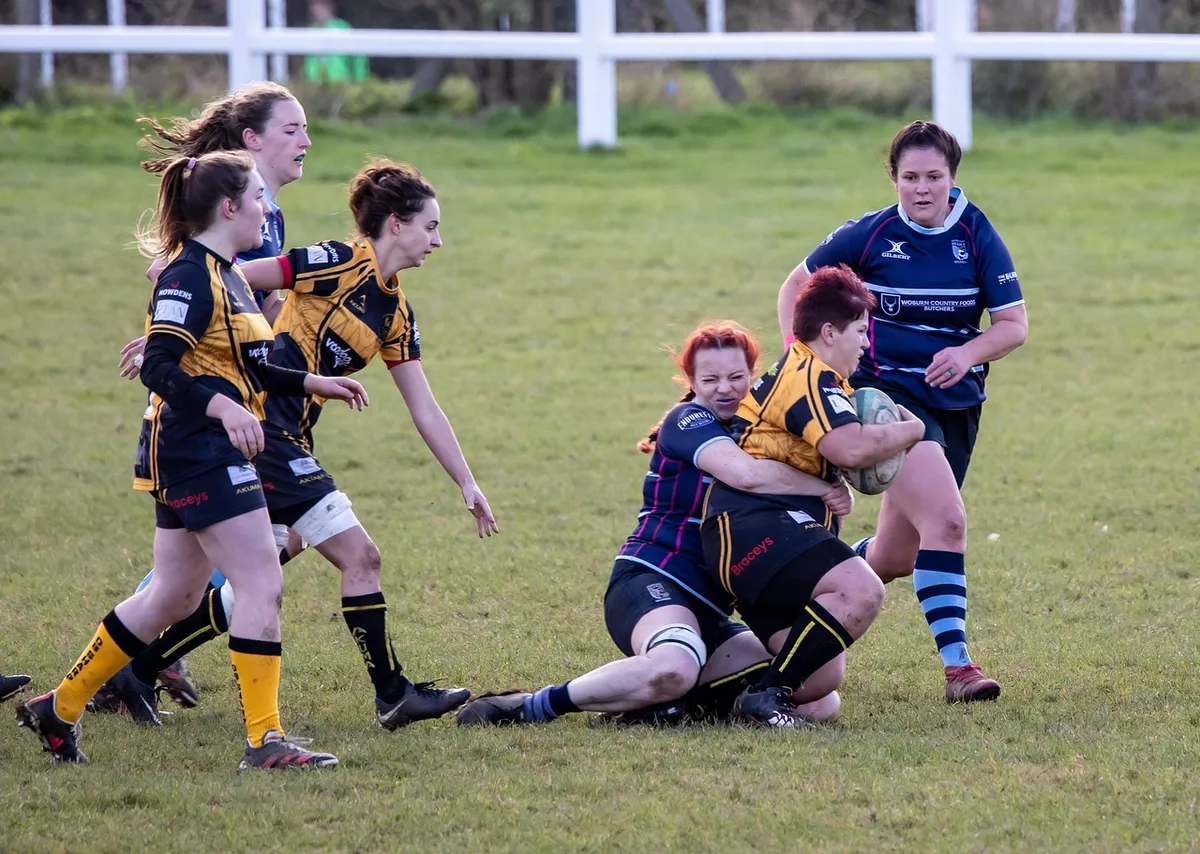
Fijian rugby players in Europe must manage the logistical challenges of traveling between their clubs and their national team camps. This requires careful planning and coordination with club coaches.
Fijian rugby overseas moves are often viewed through the lens of how they benefit the national team's depth. A player's success abroad can elevate the entire national squad's standing.
Fijian rugby career paths are frequently influenced by the timing of international windows. Players must ensure their clubly obligations do not conflict with crucial national duties.
Managing these duties becomes difficult when club schedules conflict with national team windows.
The subject here is Fijian rugby player careers.
Fijian players in Europe
Related
How does the local path compare to the global stage?
- The local path provides the foundational experience necessary for a player to develop skills before facing international scrutiny. 2. The global stage offers the high-stakes environment where a player's potential is tested against diverse, elite competition. 3. Success in the local setting often dictates the viability of pursuing the global path, as it builds the necessary competency.
The comparison is not applicable to players who remain exclusively in amateur domestic leagues.
What are the cautions regarding career transitions?
- Players must maintain mental fortitude to successfully navigate the cultural differences encountered during overseas moves. 2. The timing of international commitments requires careful management to ensure club duties do not interfere with national team preparation. 3. A player's ability to adapt to new tactical systems abroad is crucial for sustaining a successful global career path.
Wikipedia: Fiji Based on the retained excerpt mentioning Pacific Islands Rugby Alliance: In 2009, Samoa announced their departure from the Pacific Islands Rugby Alliance, leaving just Fiji and Tonga in the union.





Comments 0