Fijian rugby stars overseas: Legacy of legends abroad
"The spirit of the islands travels far beyond the shores of the Pacific, finding new life on international pitches across the globe."
This guide explores the legacy of these athletes, the shifting landscape of regional unions, and upcoming international test matches. Key takeaways include the impact of professional migrations, the organizational shifts within Pacific alliances, and the preparation for major upcoming world cups.
How do Fijian rugby stars overseas shape the global game?
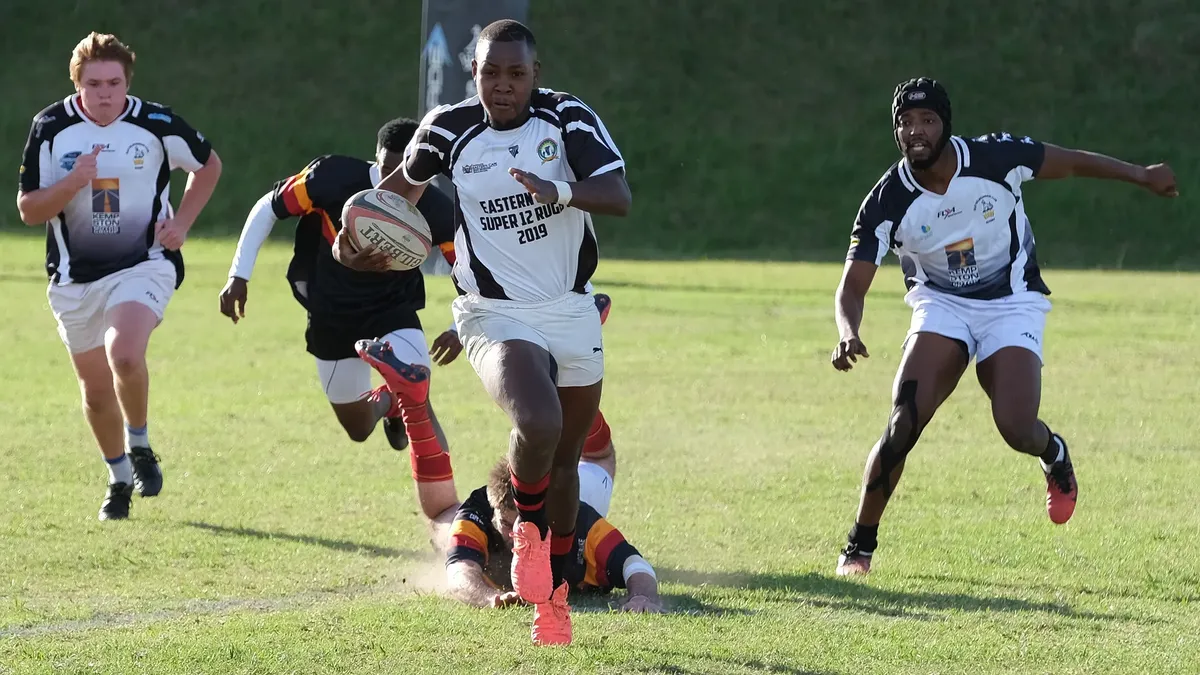
A player steps onto a lush green pitch in a foreign country, feeling the weight of their nation's expectations. This movement of talent represents a significant part of the Fijian rugby pro careers that have influenced different continents.
Fijian rugby stars overseas have established a presence in top-tier professional leagues, bringing unique playing styles to various clubs. These athletes have successfully navigated the transition from local competition to high-stakes international environments.
This transition often involves moving from local roles, such as a director of rugby at a club like Newbury RFC, to full-time positions within larger governing bodies like the Rugby Football Union. Such moves illustrate the professional trajectory available to those involved in the sport.
What made Fijian rugby legends so legendary abroad?
At sunset, an old legend grips his heavy trophy while remembering the roar of the crowd from his Fijian roots. The roar of the crowd echoes through a stadium as a veteran player leads a new squad into battle. Understanding the history of Fijian rugby legends abroad requires looking at the organizational shifts that shaped the Pacific region.
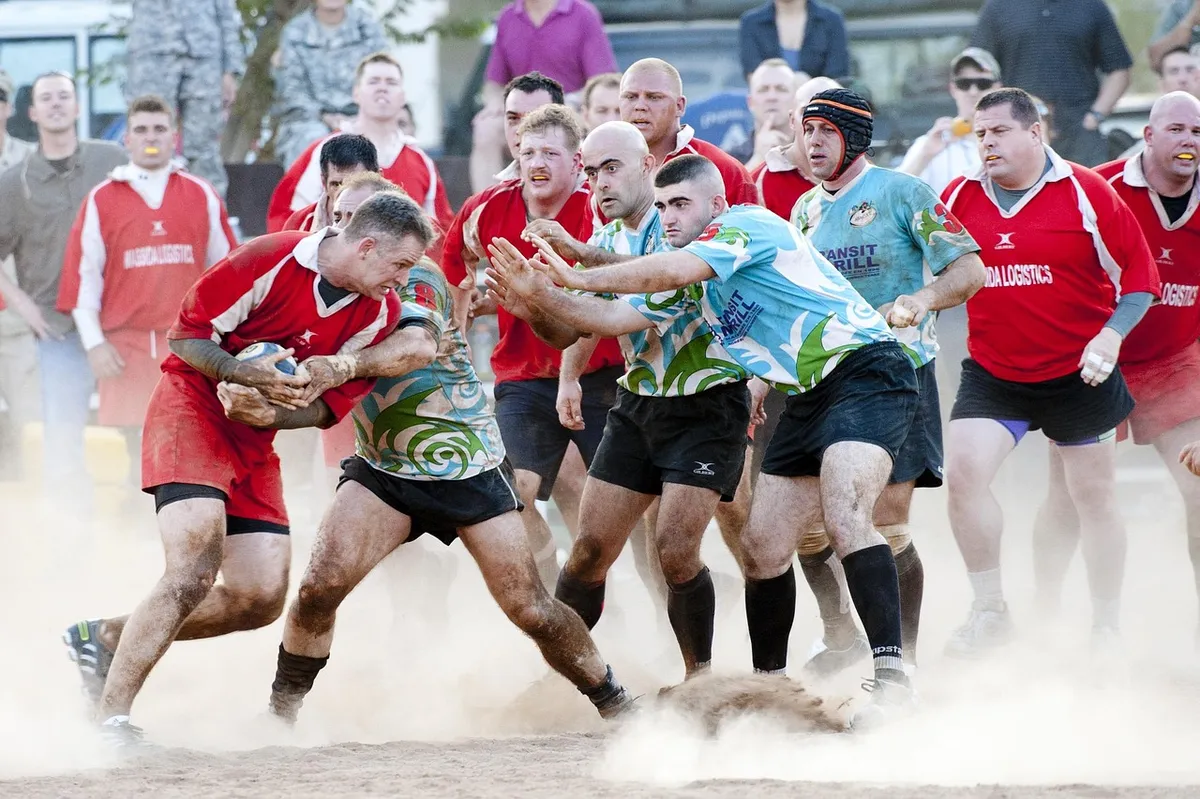
In 2009, the landscape of regional rugby changed when Samoa announced their departure from the Pacific Islands Rugby Alliance. This move left Fiji and Tonga as the remaining members in the union.
These shifts in alliances have influenced how players represent their nations and how they are scouted by international clubs. The legacy of these athletes is built on both individual skill and the evolving structure of regional rugby governance.
Why are Fijian players succeeding so much right now? A scout watches intently as a young athlete demonstrates explosive speed during a training session. Identifying Fijian rugby player success often involves looking at how players prepare for major upcoming tournaments.
Recent developments show a high level of preparation for global competitions, such as the naming of men's squads for the 2026 Rugby League World Cup. This preparation highlights the depth of talent coming from Fiji, Samoa, and Tonga.
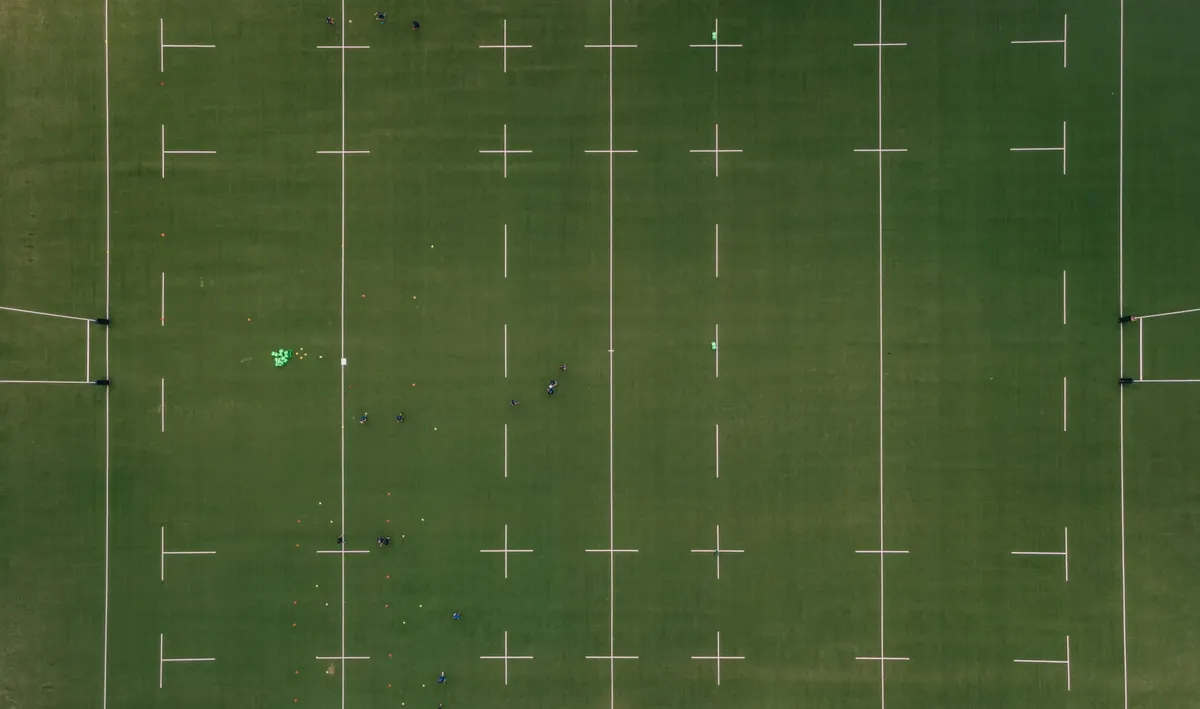
The ability to field competitive squads for major events is a testament to the ongoing development of the sport in the Pacific. This preparation ensures that the players are ready for the physical and mental demands of the world stage.
How is Fijian rugby club records development managed through international tests?
A captain shakes hands with an opponent before a high-stakes match under the stadium lights. Looking at Fijian rugby club records and the development of the national team involves tracking high-profile test matches.
This match is scheduled to take place two weeks before the Men’s Rugby World Cup 2027.
Such high-level matchups provide critical experience and help elevate the standing of Fijian players in the professional sphere. These matches serve as a bridge between club-level excellence and international dominance.
What is the future of Fijian rugby global impact?
The sun sets over a training field as players discuss their strategies for the next season. The continuous growth of Fijian rugby global impact is tied to the scheduling of major international fixtures.
The upcoming 2027 Men’s Rugby World Cup serves as a major milestone for the sport. With matches like the one against the Springboks, the visibility of Pacific talent remains high.
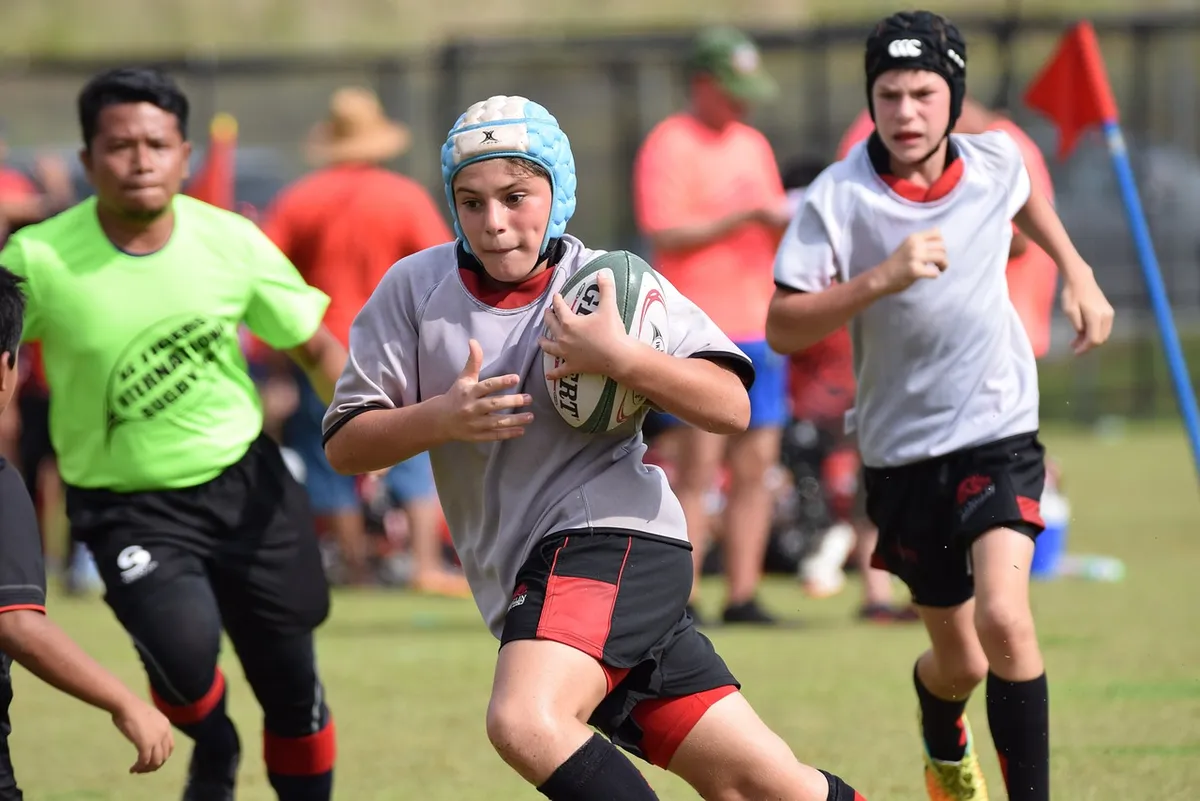
This visibility facilitates further professional opportunities and strengthens the ties between Pacific nations and global rugby powerhouses. The momentum built through these international engagements continues to drive interest in the sport worldwide.
- How do Fijian rugby stars overseas shape the global game?
- What defines the history of Fijian rugby legends abroad?
- What are the current Fijian rugby player success trends in professional leagues?
This part also covers Fijian rugby pro league stats.
This part also covers Fijian rugby hero legacies.
Related
- Fiji science R&D profile: Internet users at 74.7% how
- Fijian Rugby Legend: Serevi's Rise to Global Prominence
What constraints affect the spirit of the islands in professional rugby?
Professional opportunities for players are often shaped by the transition from local roles to larger governing bodies. This movement requires athletes to adapt to high-stakes international environments after moving from local club positions.
Such shifts in career trajectories depend on the ability to navigate different organizational structures.
- Players move from local roles to larger governing bodies. 2. Athletes transition from local competition to high-stakes environments. 3. Professional trajectories are established through these organizational shifts.
How do organizational shifts compare to scheduled international matches?
Scheduled matches provide a direct comparison between club-level excellence and international dominance. While organizational shifts like the 2009 departure of Samoa changed the regional landscape, upcoming tests like the match against South Africa offer immediate competitive preparation.
These scheduled events serve as a bridge for players preparing for the 2027 Men’s Rugby World Cup.
Comparing the 2009 alliance changes to modern scheduling shows how the landscape of regional rugby has evolved. The departure of Samoa left Fiji and Tonga in the union, whereas current schedules focus on high-profile tests.
These different conditions shape how the spirit of the islands is represented on the global stage.
Wikipedia: Fiji Based on the retained excerpt mentioning Pacific Islands Rugby Alliance: In 2009, Samoa announced their departure from the Pacific Islands Rugby Alliance, leaving just Fiji and Tonga in the union.






Comments 0