Fiji Dining: Kava, Lovo, and Mereke Rituals of the Islands
"To eat in Fiji is to join a circle, not just to sit at a table."
If you find yourself staring at a luxury resort menu in Nadi or Suva, you might feel like you are tasting the islands, but you are often just tasting a globalized version of them.
To truly understand the heartbeat of the South Pacific, you have to step away from the buffet line and into the traditions of the village.
* The spectrum of flavor: From the earthy, grounding ritual of Kava to the smoky, communal warmth of Lovo and the high-energy celebration of Mereke. * Context is everything: Your dining experience changes drastically depending on whether you are on the main islands or traveling to remote outer islands. * Cultural immersion: These aren't just meals; they are social rituals that require respect, patience, and an open heart.
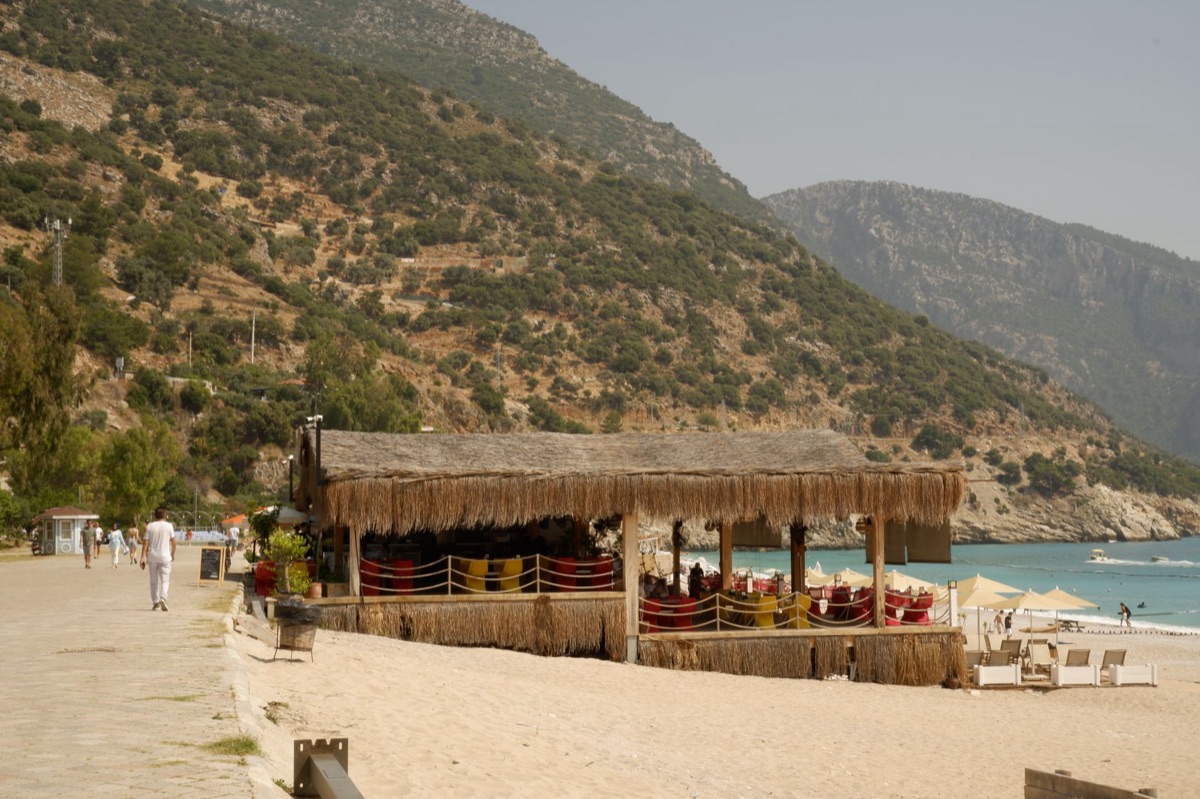
Why Dive into Local Fijian Cuisine?
The sun is setting over the Coral Coast, casting a deep orange glow over the palm fronds, and you realize the resort's "Island Night" feels a bit too polished. You hear stories of smoke rising from the earth and the rhythmic thud of wooden bowls, and you wonder if you are missing the real Fiji.
In many luxury resorts, food is a commodity designed for convenience and international palates. However, in the heart of a Fijian village, food is a social glue that binds families and communities together.
It is not merely sustenance; it is a way of honoring guests and marking significant life events.
The culinary landscape of Fiji can be viewed as a spectrum of hospitality. You have the quiet, contemplative atmosphere of a Kava ceremony, the heavy, soul-satisfying warmth of a Lovo feast, and the vibrant, loud, and rhythmic celebration of a Mereke dance.
Each offers a different way to connect with the local culture.
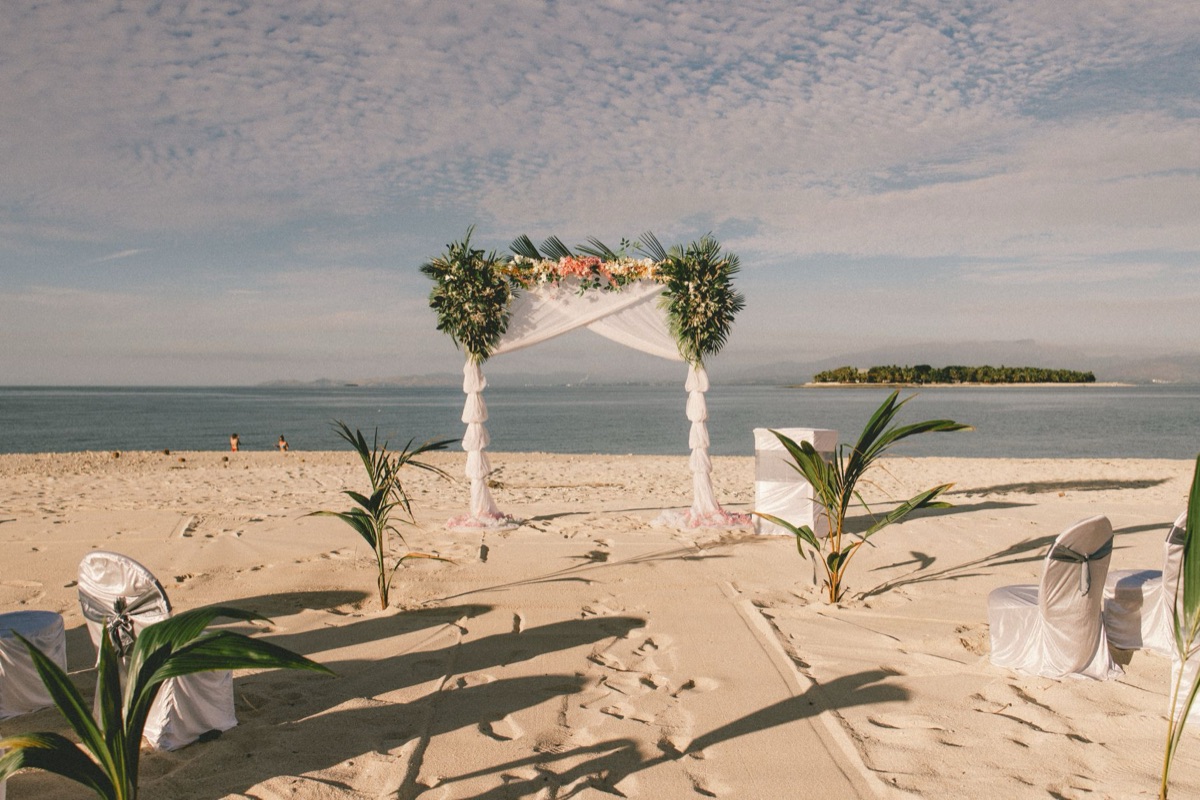
Is kava more than just a drink? The air in the bure is dim, smelling of dried roots and old wood, as the village elder gestures for you to approach the low table. You feel a slight tension in your chest—not of fear, but of the weight of a thousand-year-old tradition you are about to join.
Kava, made from the crushed roots of the piper methysticum plant, is the cornerstone of Fijian social structure. It is used to welcome visitors, seal agreements, and facilitate community connection. It is a sedative, often resulting in a slight numbing of the tongue and a sense of calm.
If you are invited to a Kava ceremony, follow these steps to show respect: 1. Approach with humility: Wait to be invited to join the circle. 2. The Gesture: When the bowl (tanoa) is passed to you, clap your hands once. 3. The Drink: Take a small sip of the earthy, muddy-tasting liquid.
- The Response: After drinking, clap your hands three times and say "Bula!"
Because Kava has a heavy, earthy flavor, it is rarely a meal itself. It is often accompanied by light snacks or served after a meal to transition into a period of relaxation. If you are looking for a way to transition from a heavy lunch to a quiet afternoon, Kava is the perfect cultural bridge.
What do flavors from an underground oven taste like? The smell of woodsmoke hits you before you even see the pit, a thick, sweet scent that promises something hearty. You see villagers carefully peeling large green banana leaves, preparing to wrap bundles of food that have been slow-cooking beneath the earth.
Lovo is the traditional Fijian method of cooking using an underground oven. A pit is dug in the ground, lined with hot stones, and then covered with layers of food wrapped in banana leaves. Once the food is cooked, the earth is shoveled back, and the treasures are unearthed.
When you sit down for a Lovo, you can expect: * Slow-cooked meats: Typically pork, chicken, or fish, infused with a deep, smoky flavor from the hot stones. * Root vegetables: Dalo (taro), cassava, and sweet potatoes that become incredibly creamy when steamed in the earth.
* Coconut-based sides: Often, meat is cooked with coconut cream to add richness to the smoky profile.
Eating Lovo is a communal event. It is rarely a solo endeavor; it is a shared harvest. The act of digging up the food is often a spectacle, and the resulting meal is designed to be shared among many, emphasizing the Fijian value of community over individualism.
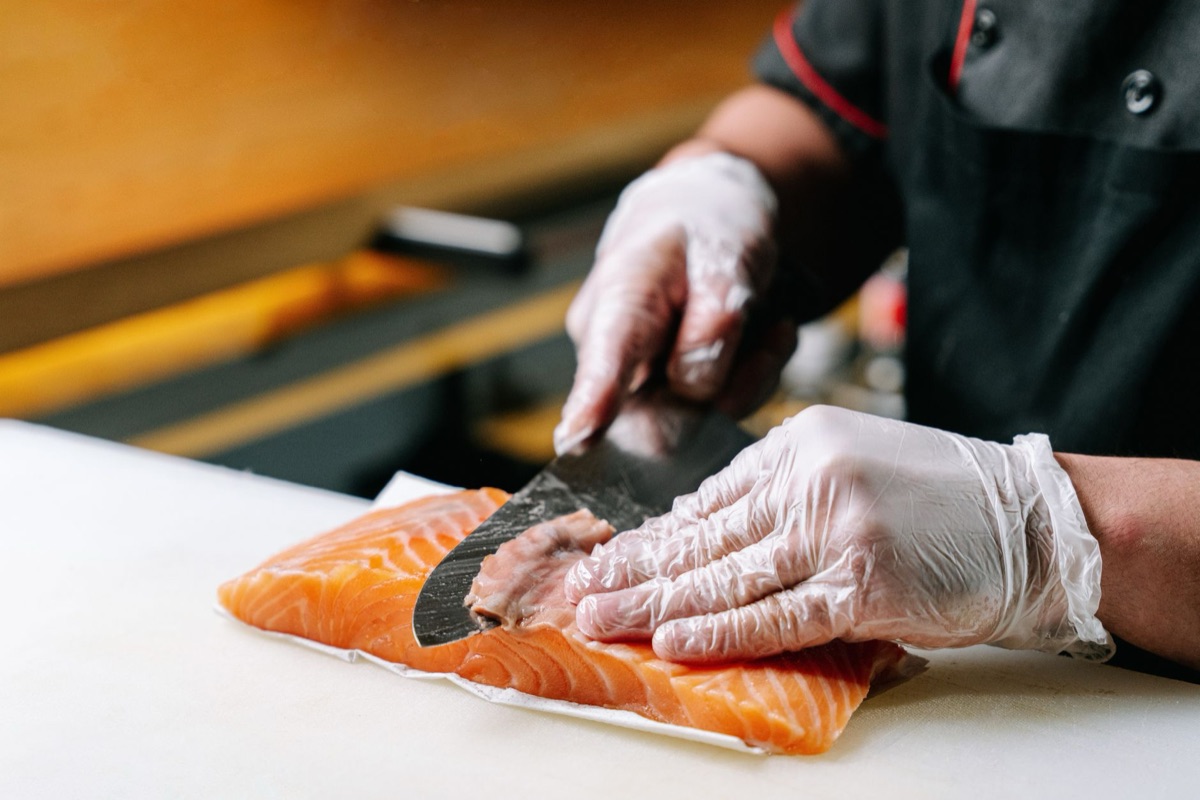
Mereke Dance Dining: Rhythm and Palate Harmony
The drums begin a rapid, driving beat that vibrates in your very bones, and suddenly the quiet dinner setting transforms into a whirlwind of color and movement.
You see dancers moving in synchronized precision, their voices rising in harmony with the percussion, turning the meal into a full-body sensory experience.
Mereke is a celebratory dance often performed during festive occasions, and it is frequently paired with large-scale dining. It is high-energy, loud, and designed to celebrate life. In these settings, the food is often more festive and "party-ready" than a standard village meal.
In a Mereke setting, you might encounter: * Fresh Seafood: Large platters of grilled snapper, prawns, or lobster, reflecting the bounty of the surrounding reefs. * Celebratory Platters: Large portions of meat and starchy staples designed to fuel the dancers and the guests.
* Tropical Fruit: Freshly sliced papaya, pineapple, and mango to cleanse the palate between heavy, spiced dishes.
The sensory overload of a Mereke—the sight of traditional attire, the sound of the drums, and the taste of spiced, coconut-rich food—creates a memory that stays with you long after you have left the islands.
Navigating the Fijian Dining Landscape (Isle vs. Mainland)
You look at your map, noting the vast blue stretches between the main islands and the tiny, scattered dots of the outer islands. You realize that the "authentic" meal you had yesterday in Suva might look very different from the one you find on a remote island in the Yasawas.
The availability of these experiences depends heavily on your location. On the main islands like Viti Levu, you can often find organized cultural dinners in larger resorts or in towns like Nadi. However, these can sometimes feel a bit "tourist-centric."
| Feature | Main Island (Viti Levu/Vanua Levu) | Outer Islands (Yasawas/Lau Group) |
|---|---|---|
| Accessibility | High; easy to find organized tours. | Lower; requires boat travel and planning. |
| Authenticity | Often a blend of local and international. | Highly traditional and community-driven. |
| Cost | Generally more predictable. | Can vary; often involves local trade or specific fees. |
| Logistics | Easy transport via road or domestic flight. | Requires boat transfers and careful timing. |
In terms of travel context, it is important to note that Fiji's tourism infrastructure is robust. For example, according to World Bank data, Fiji recorded international tourist arrivals of 168,000 in 2020.
While this number reflects a specific period of global travel, it highlights the scale of the industry you are entering.
When planning your trip, remember that the local economy is deeply tied to these movements. According to World Bank data, Fiji recorded a GDP per capita of US$6,642 in 2025.
Understanding that your participation in local dining often supports small-scale village economies can help you approach these experiences with greater intentionality.
Essential Visitor Etiquette & Dining Tips
You stand at the edge of a village meeting house, wondering if your casual linen shirt is appropriate or if you should have brought something more formal. You remember the advice you read: respect the local customs, and the locals will welcome you as family.
To ensure your dining experiences are respectful and enjoyable, keep these tips in mind:
- Respect the Hierarchy: In Kava ceremonies or village meals, elders and honored guests are usually served first. Observe the flow of the room before jumping in. 2. Mind the "Fijian Time": If you are expecting a Lovo feast to be ready at exactly 6:00 PM, you might be waiting. In Fiji, things happen when they are ready. Embrace the slow pace. as a way to connect with the rhythm of the islands. 3. Dress Modestly: When entering villages for a meal, avoid overly revealing clothing. A sarong or linen trousers are perfect. 4. Ask Before You Snap: While the food looks incredible, always ask your local host before taking photos of ceremonies or people.
Quick Memory Aid for Cultural Codes: * Kava: Clap, sip, clap three times, say "Bula!" * Lovo: It's a shared, smoky, earthy communal event. * Mereke: It's a celebration—embrace the energy and the rhythm. #






Comments 0