Waisale Serevi Rugby World Cup: Guide to Legacy
"The spirit of the game lives in the heartbeat of the islands, where legends are forged on grass and through grit."
Waisale Serevi Rugby World Cup history is a testament to the enduring legacy of a player who transformed the sport. This overview explores the career milestones and the regional context of Fiji's rugby presence.
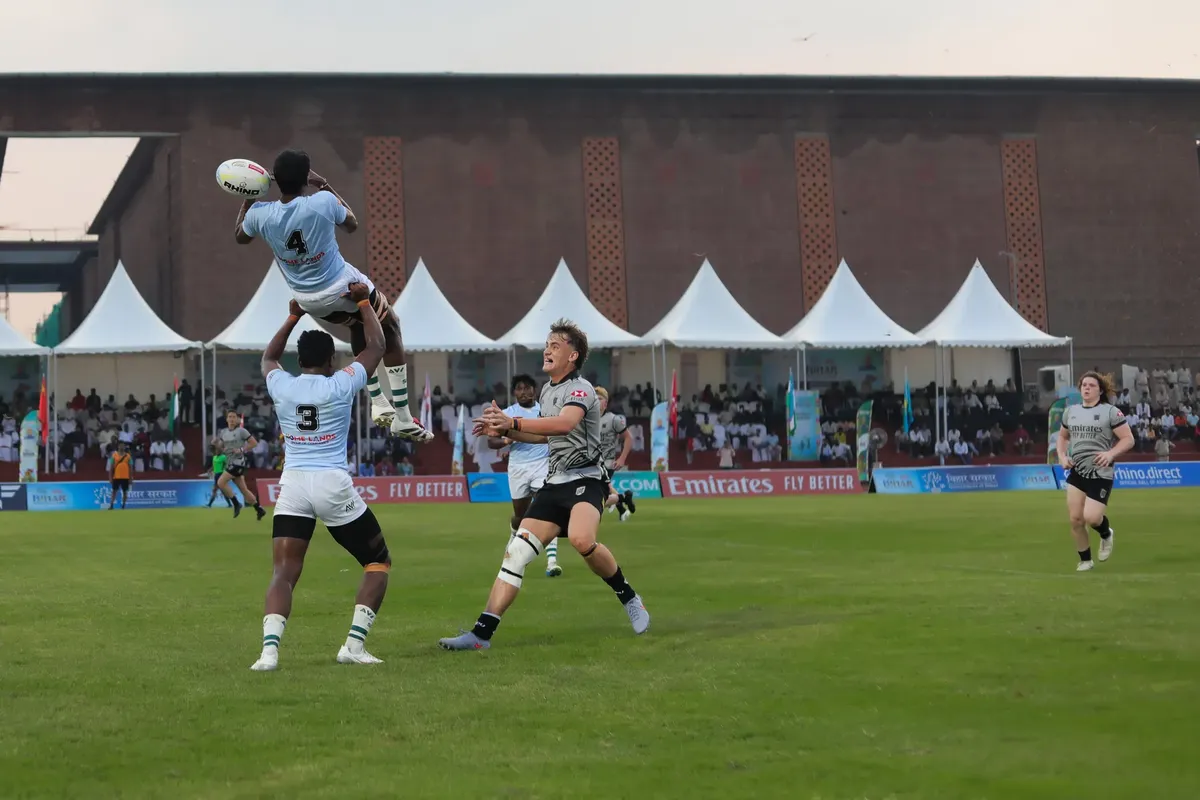
Key takeaways: * The historical landscape of Pacific rugby alliances. * The regional standing of Fiji within the Pacific Islands. * The significance of legendary player contributions.
##
A quiet meeting in a boardroom once changed the structure of regional sports cooperation. In 2009, Samoa announced their departure from the Pacific Islands Rugby Alliance, leaving just Fiji and Tonga in the union.
This shift altered the competitive landscape for Pacific nations. The departure of Samoa meant that the remaining union consisted only of Fiji and Tonga. This moment marked a transition in how regional rugby partnerships would function moving forward.
How did regional shifts affect Waisale Serevi Rugby World Cup preparation?
Players often look at the changing alliances of their neighbors when preparing for international competition. The departure of Samoa from the alliance in 2009 left Fiji and Tonga as the remaining members of that specific union.
Such changes in organizational structure can influence how national teams interact during global tournaments. While the alliance changed, the competitive drive of the players remained a constant force in the region.
What is the significance of Serevi Fiji Rugby Records?
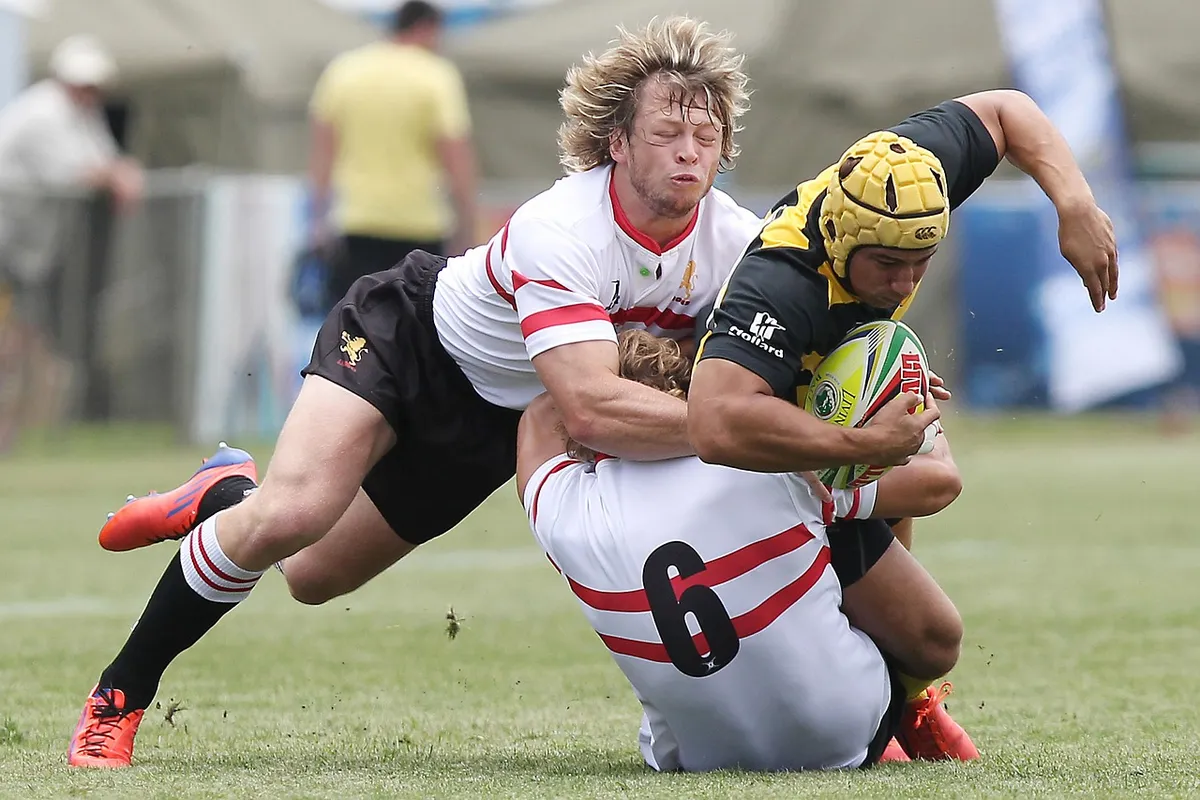
A scout watches a player move across the pitch, noting the speed and agility that define a legend. Serevi Fiji Rugby Records often highlight the unique skills that allowed a single player to influence the outcome of professional matches.
According to World Bank data, Fiji recorded international tourist arrivals of 168,000 in 2020.
The ability to manipulate the game's tempo became a hallmark of such legendary status. These records serve as a benchmark for future generations of players emerging from the islands.
According to World Bank, the 2024 record includes 74.7%.
Why do we study Waisale Serevi Rugby Stats?
A historian pores over old scorecards to understand the impact of a single athlete. Waisale Serevi Rugby Stats provide a quantitative look at a career that spanned multiple eras of international play.

These statistics capture more than just points; they reflect a period of growth for Fijian rugby. Analyzing these numbers helps researchers understand the evolution of the sport's pace and style.
How does the Fiji Rugby Sevens Legend status persist?
A fan holds a vintage jersey, remembering the roar of the crowd during a decisive match. The Fiji Rugby Sevens Legend status is built on decades of high-stakes competition and international recognition.
The reputation of the team was cemented through consistent performances on the world stage. This legacy ensures that the name remains synonymous with technical skill and explosive athleticism.
What defines the Serevi Rugby Sevens History?
A coach points to a trophy case, tracing the lineage of victory through the years. Serevi Rugby Sevens History is intertwined with the rise of the sevens format as a global phenomenon.
The player's journey mirrors the growth of the game itself. Understanding this history requires looking at both the individual achievements and the team's collective rise in prominence.

- A quiet meeting in a boardroom once changed the structure of regional sports cooperation. In 2009, Samoa announced their departure from the Pacific Islands Rugby Alliance, leaving just Fiji and Tonga in the union.
- How did regional shifts affect Waisale Serevi Rugby World Cup preparation?
- What is the significance of Serevi Fiji Rugby Records?
The subject here is Waisale Serevi Rugby World Cup.
The same subject is also called Fiji Rugby Legend Serevi.
This part also covers Serevi World Cup Achievements.
This part also covers Serevi Career Rugby Summary.
Related
How did the spirit of the game influence the alliance?
The spirit of the game was reflected in how the alliance functioned before its structure changed. When Samoa departed in 2009, the union was reduced to only Fiji and Tonga.
This shift in the alliance meant that the previous regional structure was no longer the same. The departure of one nation changed the conditions of the partnership for the remaining members.
What role did the game play in regional shifts?
The game underwent changes in its organizational landscape when the alliance changed in 2009. Because Samoa left, the union consisted of Fiji and Tonga.
This transition in the alliance altered how the remaining nations functioned within that specific union. The change in the group's composition was a direct result of the departure.
How did the spirit of the game change after the alliance shift?
The spirit of the game was impacted by the structural changes that occurred when Samoa left the alliance. In 2009, the departure of Samoa meant the union was reduced to only Fiji and Tonga.
This change in the alliance's composition altered the conditions of the partnership. The transition from a three-nation group to a two-nation union changed how the remaining members functioned within that specific regional structure.
What was the result of the 2009 departure?
The result of the departure was a change in the regional landscape for Pacific rugby. When Samoa announced their exit in 2009, the alliance was left with just Fiji and Tonga.
This shift in the alliance's structure meant that the previous regional partnership was no longer the same. The departure of one nation changed the conditions for the remaining members of the union.
How did the spirit of the game persist through alliance changes?
The spirit of the game remained constant despite the structural shifts in the regional body. When Samoa departed in 2009, the commitment to the sport continued between Fiji and Tonga. This continuity highlights the deep-rooted passion for the game among the athletes.
The enduring nature of the spirit of the game transcended the specific makeup of the alliance. The players carried the essence of their commitment through the transition. This dedication speaks to the core values driving Pacific rugby.
The spirit of the game, therefore, resided in the players' dedication to the sport itself. This dedication persisted even when the official regional grouping underwent significant contraction. The commitment to the game remained paramount for all involved.






Comments 0