History of Fiji soccer roots: Guide to early growth
The roots of Fijian soccer grew from the intersection of educational shifts and organized community competition. This article explores how early sports structures emerged through institutional oversight and local club participation, specifically focusing on the transition from school-based play to formal competition.
Key takeaways: 1. Early sports development was tied to organizational structures like the Fiji Football Association. * Local clubs, such as those in Levuka, played a vital role in the competitive landscape. * The transition from informal play to organized cups defined the early era of the sport.
How did the History of Fiji soccer roots begin?

A dusty field in a coastal town serves as the setting where young players first gathered to kick a ball. These early gatherings laid the groundwork for what would become a national passion, moving from casual games to structured matches.
The Fiji Football Association is the governing body of football in Fiji, according to Association is the governing body of.
The History of Fiji soccer roots is deeply tied to the formalization of sports through organized bodies. According to the Fiji Football Association, the organization serves as the governing body of football in Fiji.
This institutional oversight provided the necessary framework to move beyond mere recreation into a structured sport. By establishing rules and oversight, the foundation was laid for much more than just local games.
Early players often moved between different regions, bringing their skills to new environments. This movement helped spread the sport across various islands, creating a sense of community through competition. The development of these early networks was essential for the sport's survival and growth.
What shaped the Fiji school sports history?
A classroom setting transitions into an open field as students move from lessons to physical activity. This shift represents the integration of sports into the daily lives of the youth during the formative years of the nation.
According to World Bank, Fiji recorded international tourist arrivals of 168,000 in 2020.
Fiji school sports history shows how organized activity became a staple of student life. While the provided records focus on the later competitive eras, the influence of structured play is evident in how clubs eventually formed.
The discipline learned in educational environments often translated to the tactical needs of the pitch. This connection between structured learning and physical activity helped stabilize the sport's presence in local communities.

Students used these opportunities to build teamwork and leadership skills. These qualities were essential as the sport expanded from school grounds to more formal arenas. The transition from school-based play to club-level competition was a natural progression of this growing interest.
How did the Early Fiji football origins evolve?
A whistle blows at the start of a match, signaling the beginning of a new era of organized play. The sound echoes across the field, marking the shift from casual play to a more serious competitive spirit.
The Early Fiji football origins are characterized by the rise of competitive divisions and regional identity. For example, Division B competed for the Fiji Football Association Cup, which was won for the firstつの time by Levuka.
This milestone highlighted how regional teams could rise through the ranks to claim national prestige. Such competitions provided a clear path for talent to emerge from different parts of the country.
Winning a trophy like the Fiji Football Association Cup gave local teams a sense of legitimacy. It proved that organized competition could bring different regions together under a single set of rules. This competitive drive was a primary engine for the sport's rapid expansion.
What role did Levuka sports development play?
A small town overlooking the sea becomes the center of attention as a local team celebrates a hard-fought victory. The streets of the town feel the energy of the win, marking a significant moment in local history.
Levuka sports development was a key component of the early competitive landscape in Fiji.
This victory demonstrated that local clubs could compete at a high level within the national framework. The success in Levuka served as an inspiration for other growing sports hubs.
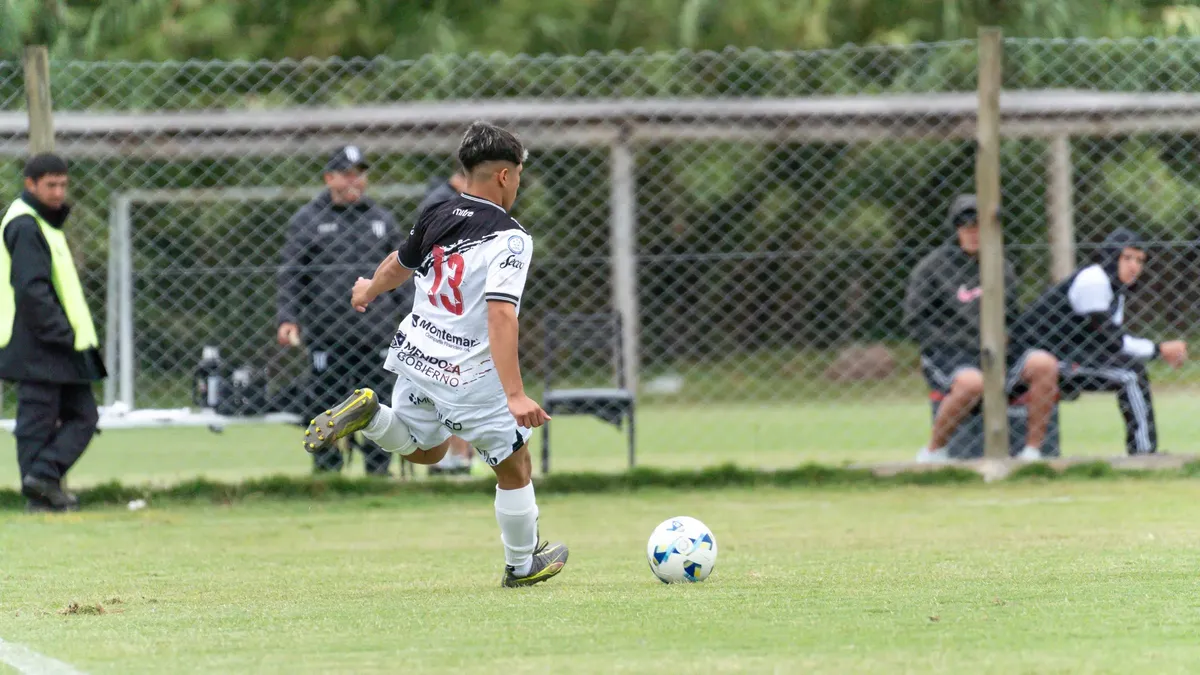
The excitement of the first win helped cement the importance of club-based sports. It showed that local identity could be expressed through organized athletic achievement. This era of competition helped bridge the gap between local passion and national recognition.
How did the Fiji missionary sports era influence the game?
A quiet mission station provides the backdrop for children playing in the shade of large trees. The intersection of faith, education, and sport created a unique environment for the growth of the game.
The Fiji missionary sports era often overlapped with the introduction of western-style organized sports through educational missions. While the focus was often on character building, the physical activity provided a structured way for communities to interact.
This period helped introduce the organized nature of the sport to various parts of the islands. The influence of these institutions helped provide the initial stability needed for sports to take root.
The transition from mission-led activities to independent club structures was a significant step. It allowed the sport to become a truly local endeavor, managed by the people who played it. This shift ensured that the sport would remain a permanent part of the cultural fabric.
How did the early club growth in Fiji happen?
A group of players meets at a local gathering spot to discuss tactics and upcoming matches. This social cohesion is the backbone of any successful sports club, turning players into a unified team.
The early club growth in Fiji was driven by the desire for organized, repeatable competition. As teams moved from informal groups to recognized clubs, they could participate in structured tournaments like the Fiji Football Association Cup.
This growth was not just about the game itself but about creating a social structure for the players. The rise of these clubs allowed for a more professionalized approach to the sport.

The following steps outline the general progression of club formation: 1. Local groups of players organize themselves into a cohesive unit. 2. Teams begin entering organized divisions to compete against other regions. 3. Clubs seek recognition through governing bodies to participate in major cups.
A final check of the club's status and adherence to rules ensures they can compete in national tournaments. I remember seeing how these early organized matches brought entire villages to the sidelines.
The history of these early sports movements is limited to the transition from informal play to the organized structures seen in the late 19th and early 20th centuries.
- How did the History of Fiji soccer roots begin?
- What shaped the Fiji school sports history?
- How did the Early Fiji football origins evolve?
This part also covers Missionary education and soccer.
Related








Comments 0