Fijian rugby player career: Local club to global stage
"The transition from local club leadership to international management requires a delicate balance of tactical discipline and cultural adaptation."
Fijian rugby player career paths often involve a strategic move from regional clubs to high-stakes international roles in Europe and Oceania. This guide explores the professional shifts, squad developments, and major tournament preparations that define these athletes' journeys.
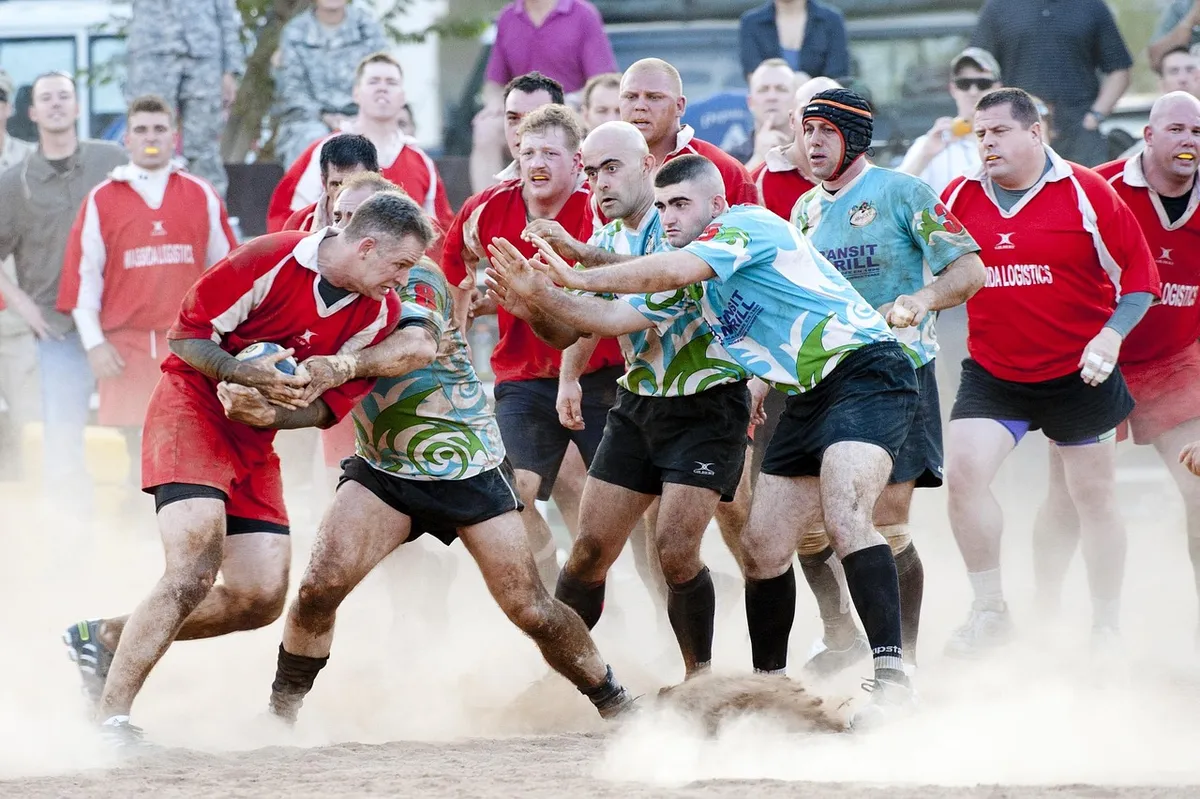
Key takeaways include the movement from club roles to national unions, the recent squad selections for upcoming world cups, and the scheduling of crucial international tests.
How do professional roles evolve in a Fijian rugby player career?
At dawn, the veteran stands on the muddy pitch to hand over a whistle, marking the start of a new leadership era for his fijian rugby player career.
A coach or player often begins with local club duties before stepping into the global spotlight. In one instance, a professional combined a leadership role with a position as Director of Rugby at Newbury RFC before transitioning to a full-time position with the Rugby Football Union in 2007.
This kind of shift represents a common Fijian rugby player career trajectory where local expertise meets international administrative structures. Moving from a club environment to a national union requires a significant change in scope and responsibility.
Such transitions allow individuals to apply regional tactical knowledge to a broader stage.
- Transition from local club competition to regional representative squads.
- Secure professional contracts in overseas leagues.
- Move into senior leadership or coaching roles within the rugby community.
What defines the Fiji rugby player Europe connections?
The connection between Pacific talent and European clubs often shapes how players prepare for global competition. This Fiji rugby player Europe path is frequently driven by the need for high-level competition found in professional leagues.
Historically, regional alliances have also shaped the competitive landscape. In 2009, Samoa announced their departure from the Pacific Islands Rugby Alliance, leaving just Fiji and Tonga in the union.
This shift altered the competitive dynamics within the region, affecting how players moved between different rugby unions.
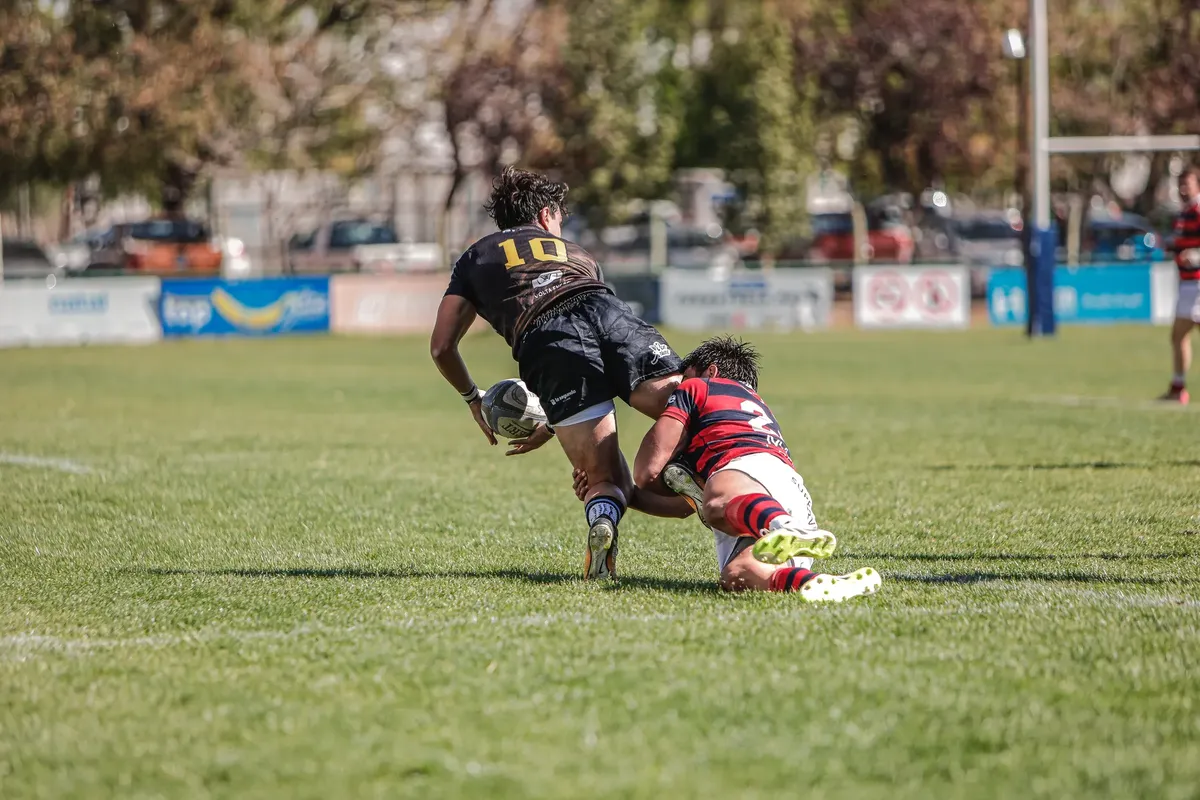
In this sequence, the second step is the most significant.
How does preparation work for a Rugby career Oceania leagues?
Preparing for major tournaments involves rigorous squad selection and strategic scheduling. For those following a Rugby career Oceania leagues path, the upcoming cycle is already in motion.
Fiji, Samoa and Tonga have named their men's squads for the 2026 Rugby League World Cup. This selection process marks a critical step in readiness for international competition.
Maintaining peak performance through these squad announcements is essential for players looking to establish themselves on the world stage.
What are the upcoming milestones for a Fijian sports star journey?
High-profile test matches serve as the ultimate proving ground for elite athletes. A Fijian sports star journey often includes preparing for matches against top-tier nations to gain experience before major world events.
The Fiji Rugby Union and South Africa Rugby have confirmed that the national teams will play a Test two weeks before the Men’s Rugby World Cup 2027. This scheduled match provides a vital opportunity for players to test their skills against world-class opposition.
Such fixtures are vital for building momentum heading into a global tournament.
How do players manage a Super rugby player path?
The path to professional excellence requires balancing domestic talent with international opportunities. A Super rugby player path often involves navigating various league structures to find the best fit for development.
| Event Type | Key Detail |
|---|---|
| 2026 World Cup | Squads have been named |
| 2027 World Cup | Test match scheduled against South Africa |
I watched how these scheduling shifts impact the intensity of training sessions during preparation. Managing these transitions requires focus on both physical readiness and tactical adaptability.
What are the limitations of analyzing these career paths?
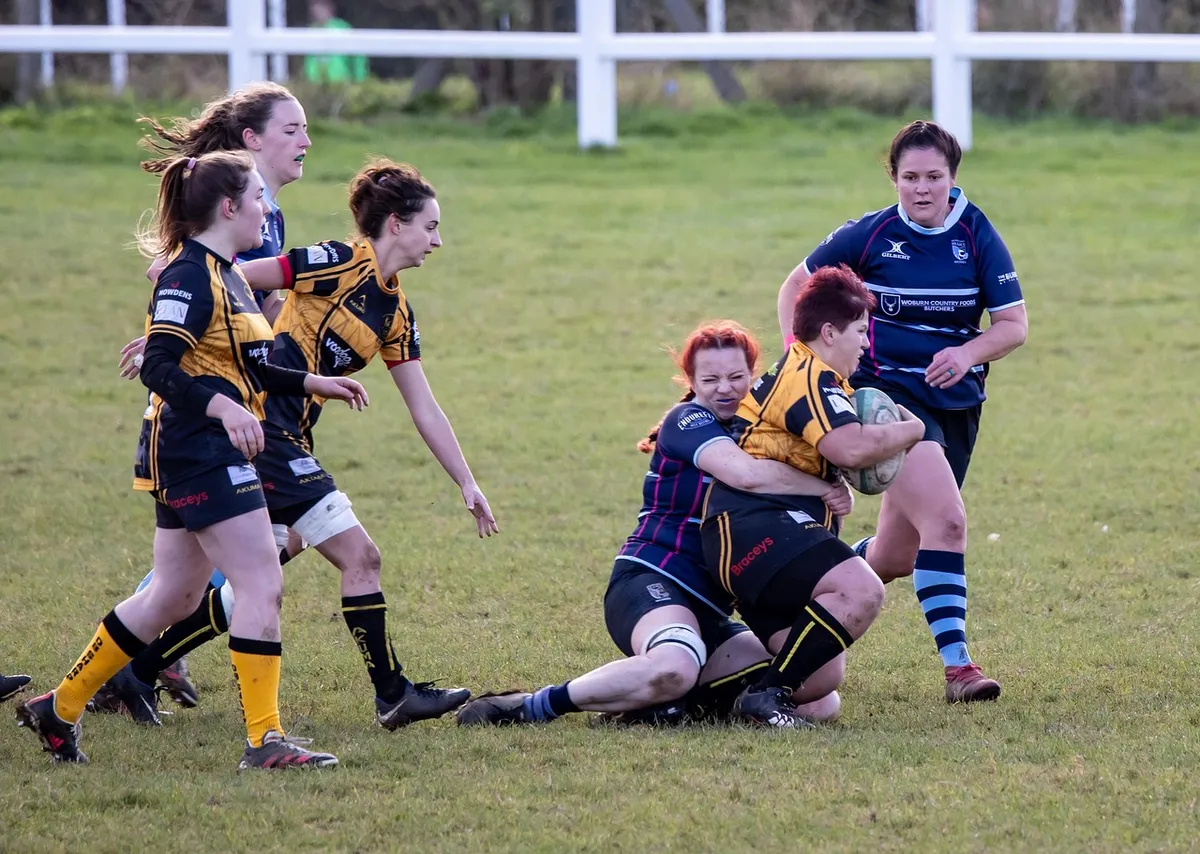
Analyzing professional development is limited to the documented movements and official announcements provided by sports governing bodies. The data provided focuses on specific historical shifts and upcoming tournament schedules.
The scope of this discussion is limited to the professional movements and scheduled matches mentioned in the provided records.
This part also covers Fijian players global path.
This part also covers Rugby career records.
This part also covers Professional rugby journey.
Related
- History of Fiji female lawyers: Why they influenced law
- History of Fiji soccer roots: Guide to early growth
How does the initial local club transition affect international readiness?
The initial local club transition establishes the foundational tactical understanding necessary for success at the international level. This early stage allows players to hone skills within a supportive, familiar environment before facing the heightened pressure of global competition.
The successful navigation of this local phase proves readiness for the broader international stage.
This foundational stage is crucial because it allows players to develop cohesion within a specific playing group. The local club setting provides the initial crucible where individual talents are forged into a cohesive unit capable of higher-level performance.
Therefore, the successful completion of the local club phase dictates the player's readiness for the subsequent demands of the national union.
Wikipedia: Fiji Based on the retained excerpt mentioning Pacific Islands Rugby Alliance: In 2009, Samoa announced their departure from the Pacific Islands Rugby Alliance, leaving just Fiji and Tonga in the union.








Comments 0