Fijian Mekeke Dance: A Living Archive of Island Traditions
The Mekeke dance is not a show staged for a crowd; it is the living heartbeat of Fijian community and social cohesion.
Understanding this dance is the difference between being a mere spectator and becoming a guest of honor. It is the key to unlocking the soul of the islands.
* The dance serves as a vital conduit for understanding deep-rooted Fijian traditions. * Observation offers travelers a genuine pathway into local social dynamics and communal values. * It reflects the deep communal bonds that define Fijian life. * It is a crucial element for travelers choosing an immersive cultural itinerary over a standard resort vacation.
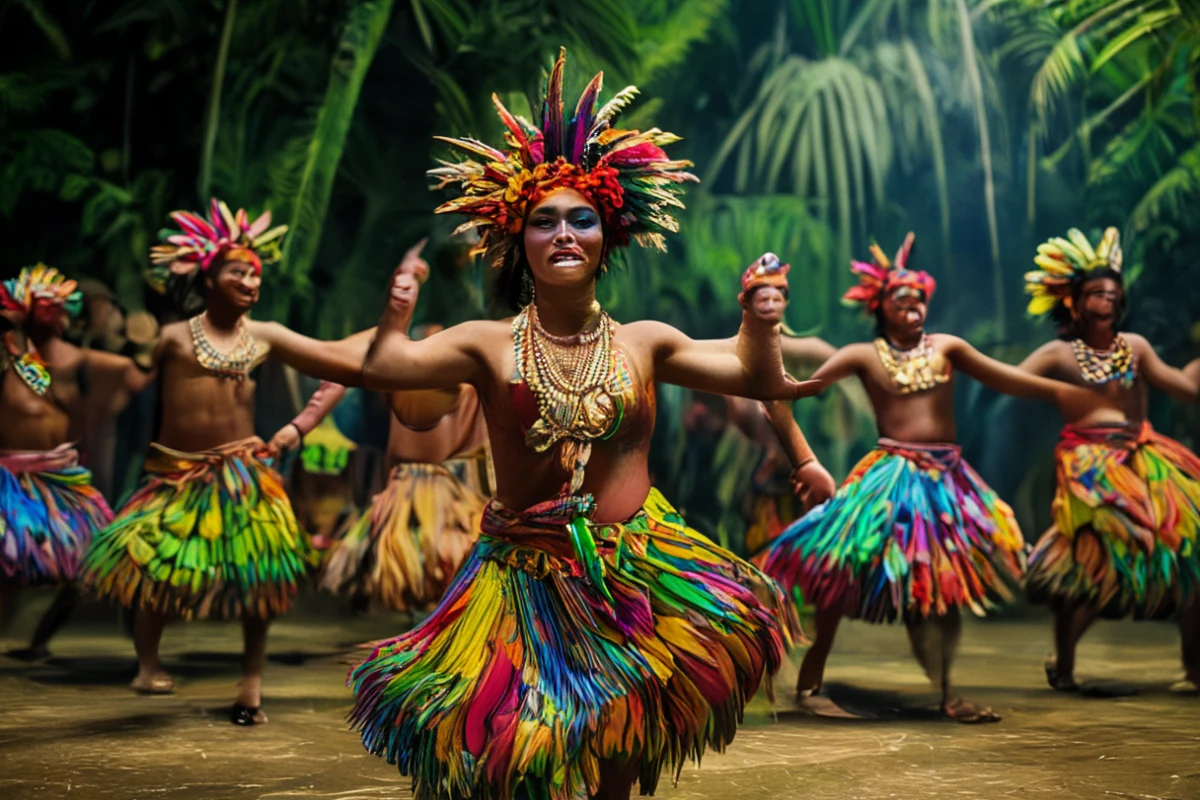
What is the Mekeke dance and where did it come from? Dust rises from the village floor as the sun dips low, and the heavy scent of crushed coconut leaves hangs in the warm evening air.
The smell of crushed coconut leaves and the rhythmic thud of feet against the earth fill the air as the sun begins to dip below the horizon in a coastal village. In the heat of a July evening in 2026, the air feels thick, almost electric, as the group prepares.
According to World Bank, Fiji recorded international tourist arrivals of 168,000 in 2020.
In this moment, the music isn't coming from a speaker, but from the synchronized breathing and chanting of a group of people moving as one.
The Mekeke is a traditional group dance that serves as a vessel for Fijian history. Unlike Western dance, which often focuses on individual expression, the Mekeke is about collective identity.
It uses synchronized movements, vigorous footwork, and storytelling chants to pass down legends of ancestors, successful harvests, or significant tribal events. In a village setting, the dance is a communal ritual; in a resort setting, it is often a respectful nod to that heritage.
While some might mistake these performances for mere entertainment, their roots are far more profound. In many ways, the dance acts as a living archive.
Because much of Fijian history was preserved through oral tradition rather than written text, the movements and chants of the Mekeke serve to keep communal memory alive. Every gesture has a purpose, often mimicking historical actions like rowing a drua (traditional canoe) or preparing for battle.
The transition from ancient ritual to modern performance can sometimes blur the lines for travelers. However, the core intent remains: to honor the lineage of the people.
When you watch a group move in perfect unison, you aren't just seeing a dance; you are witnessing the physical manifestation of a tribe's history.

How can I observe the Mekeke respectfully? A group of travelers stands at the edge of a village clearing, wearing bright floral shirts and clutching cameras, feeling a sudden hesitation as the drums begin to beat. They realize that they are not just watching a show, but entering a space of significant cultural weight.
Etiquette is the most important tool in a traveler's kit when encountering the Mekeke. In many villages, there is an unspoken understanding of boundaries. Respectful observation begins with how you present yourself.
In many traditional settings, modest dress is required—avoiding overly revealing clothing is a sign of respect for the community's values. Furthermore, timing is everything. If a performance is happening during a significant local event, it may not be intended for casual photography.
The concept of "giving back" is also vital. In Fiji, the spirit of *Bula*—a warm, life-affirming hospitality—is reciprocal. If you are invited to participate, it is an act of deep respect and inclusion by the hosts. However, there is a clear distinction between being a guest and being a participant.
If you are a sightseer, quiet observation is usually the most respectful path. If you are seeking deep immersion, following the lead of your local guide is essential.
Understanding the nuance of engagement prevents cultural friction. In some instances, the dance might be part of a larger ceremony, such as a Kava ceremony, where the atmosphere is solemn and structured. In these moments, your role is to be a silent, appreciative witness.
By honoring these boundaries, you move from being an outsider to a respected guest.
Mekeke Dance as a Mirror of Fijian Society
The village elders sit in a circle, their eyes following the synchronized movements of the younger generation, nodding in rhythm with the beat. The hierarchy of the group is visible in the way the leaders move and how the others follow.
The structure of the Mekeke is a direct reflection of Fijian social organization. In many traditional dances, the roles are clearly defined: certain leaders direct the movements, while others provide the rhythmic backbone through chanting or percussion.
This mirrors the communal roles within a_Fijian village, where leadership and responsibility are distributed to maintain social harmony.
This dance is a tool for communal bonding. In a society where family and village ties are the primary support systems, the ability to move in unison is a metaphor for the ability to live in unison.
The coordination required for the Mekeke reinforces the idea that the strength of the group relies on the cooperation of every individual. It is a physical practice of social cohesion.
In modern Fiji, the dance has adapted to changing times, but its core function remains. Even as the islands integrate more with the global economy, the Mekeke remains a way to reinforce identity.
It connects the modern Fijian to their ancestors, ensuring that even as the world changes, the fundamental values of the community remain intact.
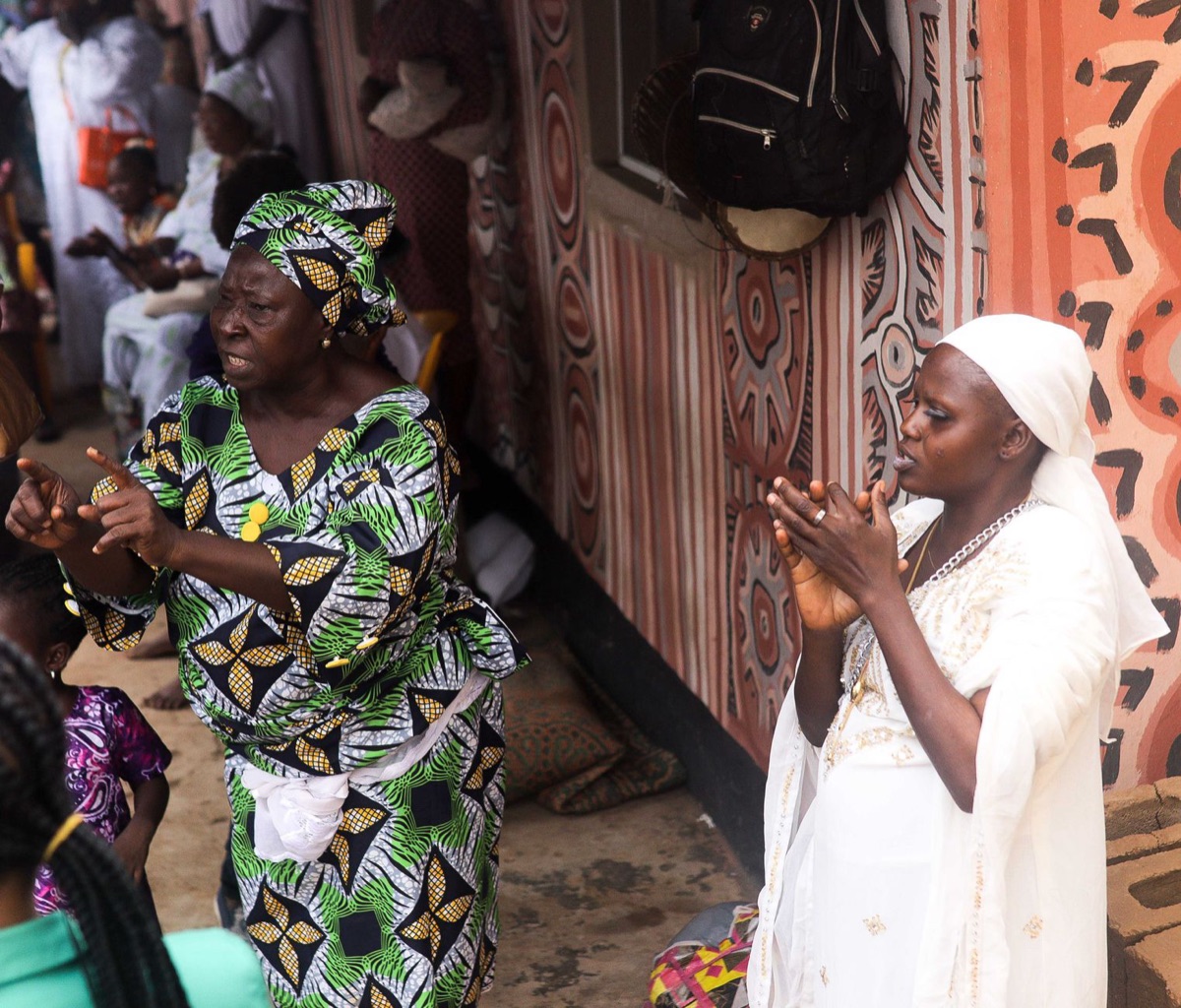
Beyond the Dance: Integrating Fijian Culture into Your Trip
A traveler sits at a wooden table in a small seaside cafe, reflecting on the vibrant colors of the dance they saw earlier while sipping a fresh coconut. They realize that the dance wasn't an isolated event, but a piece of a much larger puzzle.
When I first sat through a village ceremony in 2025, I remember the sheer intensity of the drumbeat vibrating through the wooden floorboards beneath my feet. It wasn't just a visual experience; it was a physical one that stayed with me long after the sun went down.
To truly experience Fiji, one must look beyond the white-sand beaches and luxury infinity pools. Understanding the Mekeke is a gateway to understanding the holistic Fijian experience.
It is one piece of a cultural tapestry that includes the communal preparation of *Lovo* (earth oven cooking), the intricate art of tapa cloth making, and the deep spiritual significance of the land and sea.
When planning an itinerary, travelers often face a choice: the high-end, isolated resort experience or the authentic, sometimes unpredictable, village-based immersion. While both have value, the latter offers a much deeper connection to the culture.
A trip that includes a visit to a local village or a cultural workshop allows you to see how the rhythms of the dance relate to the daily rhythms of life—the tides, the harvest, and the social gatherings.
Choosing authenticity means looking for experiences that foster genuine exchange. It means understanding that the culture is not a museum piece to be viewed through a lens, but a living, breathing way of life.
By learning the significance of the Mekeke, you are better prepared to engage with the people, the food, and the traditions of the islands with the depth they deserve.
| Feature | Resort-Based Vacation | Immersive Cultural Trip |
|---|---|---|
| Focus | Relaxation & Luxury | Connection & Learning |
| Interaction | Controlled & Scripted | Spieontaneous & Authentic |
| Pace | Slow & Leisurely | Active & Engaging |
| Cultural Depth | Surface-level observation | Deep social understanding |
How to Prepare for a Cultural Encounter
If you are planning a trip to a local village to witness a traditional performance, follow these steps to ensure you are a respectful guest.
- Research Local Customs: Before arriving at a village in 2026, ask your guide about specific dress codes or taboos regarding photography.
- Prepare Your Attire: Pack modest clothing, such as long skirts or trousers, to show respect for communal values.
- Observe the Hierarchy: When you arrive, identify the elders or leaders. In a group setting, let them set the tone for when to sit, stand, or clap.
- Engage Through Listening: Spend the first portion of the event purely observing. Do not lead with your camera; lead with your attention.
- Participate Only When Invited: If a leader gestures for you to join, move slowly and follow the movements of those around you.






Comments 0