Planning Your Fiji Trip: Resorts for Family Adventures
"The best way to travel with children is to find a place where they are busy enough to be safe, but free enough to be wild."
Choosing between a sprawling resort on Viti Levu and a remote boutique island is the difference between a high-energy adventure and a quiet, sandy sanctuary. For a family, this decision dictates everything from how much time you spend on a boat to how much downtime you actually get.
* Main Island vs. Islets: Choose the main island (Viti Levu/Vanua Levu) for easy access and variety; choose outer islands for pristine reefs and seclusion. * The Kids' Club Factor: A high-quality, structured kids' club is the secret to parental relaxation and child engagement. * Embrace "Fiji Time": Flexibility is key; local culture moves at a relaxed pace that requires a shift in mindset.
Why Fiji is the Perfect Family Destination (Is it right for *your* family?)
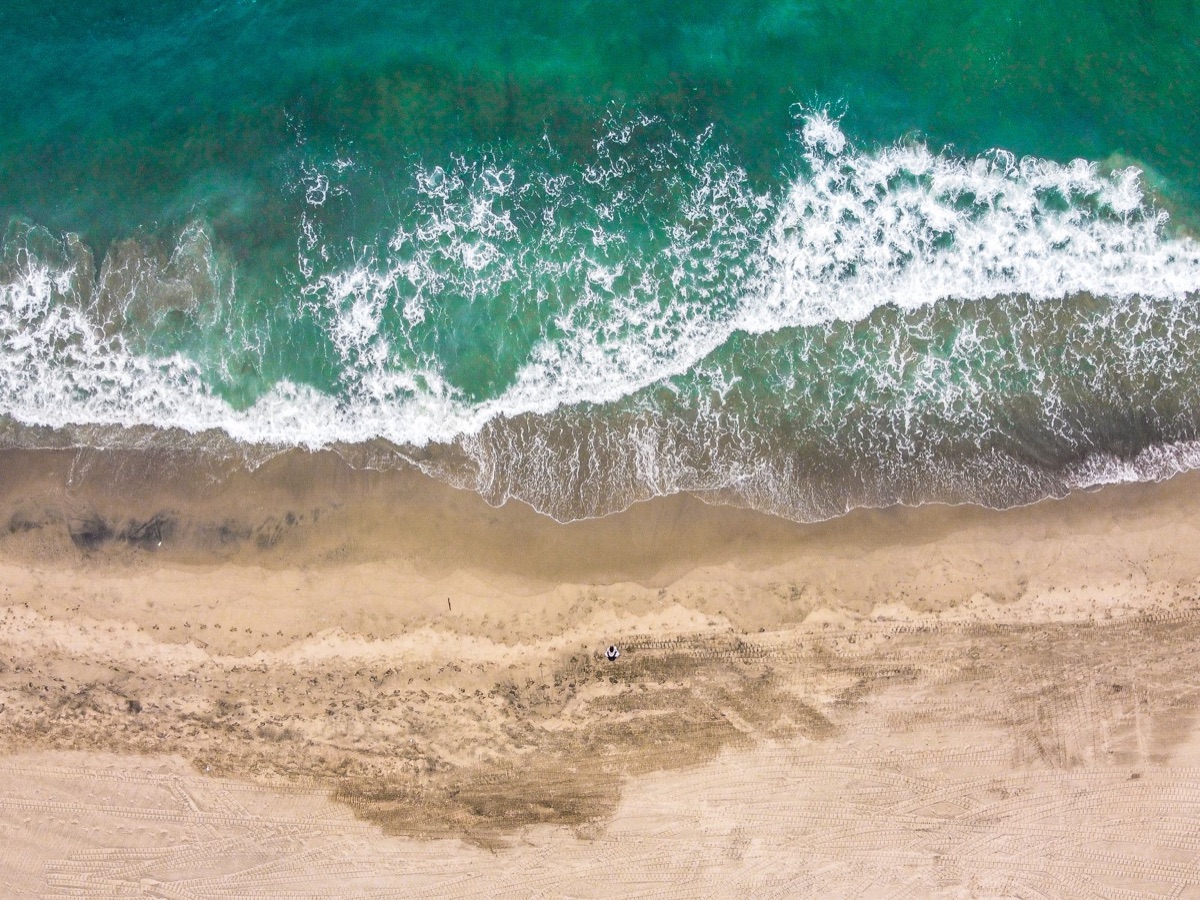
The sun hits the turquoise water of the Mamanuca Islands at 8:00 AM, turning the lagoon into a sheet of shimmering glass. A toddler splashes in the shallows while a parent watches from a shaded lounge chair, both breathing in the salt air.
Fiji offers a unique duality that few other tropical destinations can match. On one hand, you have the deep cultural immersion of visiting local villages, participating in a traditional Meke dance, or learning about the significance of Kava.
This provides a profound educational experience for older children and teens. On the other hand, you have the pure, effortless relaxation of luxury resorts designed specifically to cater to every whim of a traveling family.
The "Main Island vs. Islet" decision is often the first hurdle for parents. Staying on the main islands, like Viti Levu, offers much easier logistics, shorter transfer times, and a wider variety of dining and shopping options.
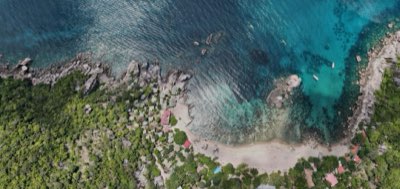
However, traveling to an islet—via a 30-minute speedboat or a scenic seaplane ride—opens up a world of untouched coral reefs and much clearer water.
To decide if Fiji is right for you, look at your family profile. If you have high-energy toddlers, a large resort on the main island with a massive pool and a supervised kids' club is often the safest and easiest bet.
If you are traveling with teenagers seeking independence and adventure, a more remote island setting with snorkeling and kayaking might be the better way to keep them engaged.
But choosing the right geography is only half the battle. The real challenge begins when you have to pick where you actually sleep.
Which resort is my perfect home base? A heavy wooden door creaks open in a luxury villa, revealing a view of the Pacific that stretches toward the horizon. Inside, a family of four settles into plush linens, the sound of the ocean providing a constant, soothing rhythm.
Finding the right "home base" requires understanding the different archetypes of Fijian hospitality. Not all resorts are created equal, and choosing the wrong one can turn a dream vacation into a logistical headache.
| Resort Type | Best For | Key Feature | Typical Transfer |
|---|---|---|---|
| Large Family Resort | Toddlers & Young Kids | Massive Kids' Clubs & Water Parks | Short (Boat/Car) |
| Boutique Island Resort | Teens & Adventure Seekers | Private Reefs & Water Sports | Medium (Boat/Seaplane) |
| Luxury Secluded Villa | Honeymooners with Kids | Private Pools & High-End Dining | Long (Seaplane/Charter) |
When comparing accommodations, look closely at the distinction between beachfront villas and overwater bungalows. While overwater bungalows offer that "bucket list" experience, they can be challenging with very young children due to safety and accessibility.
Beachfront villas often provide much easier access to the sand and the ocean, which is vital for families with little ones.
Dining flexibility is another critical factor. Some resorts operate on a strictly all-inclusive basis, which is great for budgeting but can feel restrictive. Others offer half-board options or a la carte dining.
For families, look for resorts that offer kid-friendly menus that aren't just nuggets and fries, but also healthy, local options.
When I was planning a trip through the Yasawa group in 2025, I realized that the distance from the airport can change your entire mood. If you spend 4 hours in transit, you won't want to unpack. This leads us to the question of what you actually do once you arrive.
What activities will we do to make memories? A group of children gathers around a local guide on a white-sand beach, eyes wide as they learn how to weave a small basket from palm leaves. Nearby, parents prepare to depart on a private catamaran for a sunset cruise.
The transition from "just sitting on a beach" to "making memories" happens through intentional activity. For younger children, structured activities like supervised beach games, supervised snorkeling lessons, or local craft workshops are essential.
These programs keep them engaged and safe while giving parents a much-needed break.
For adults and teenagers, the focus often shifts to adventure. Deep-sea fishing charters, guided jungle hikes to hidden waterfalls, or snorkeling trips to vibrant coral gardens provide the adrenaline hit that keeps older kids from getting bored.
You can also "dip into Fijian life" through organized cultural excursions. Many resorts partner with local villages to offer respectful, guided tours.
These experiences—learning about traditional wayfinding or seeing how local communities live—add a layer of depth to the trip that goes far beyond a simple tan. However, even the best activities can hit a snag if you haven't planned for the realities of island life.
Planning Your Fijian Adventure: Logistics & Tips (The Expert Advice)
A sudden tropical rain shower sweeps across the deck of a ferry, momentarily blurring the line between the sky and the sea. The passengers quickly move indoors, laughing as they wait for the clouds to pass.
Planning a trip to Fiji requires a bit of foresight, especially regarding weather and timing. While the weather is generally tropical and warm, you must be aware of the cyclone season, which typically runs from November to April.
Booking during the shoulder seasons—like May or October—can often result in much better value and lower prices, though you should always check local forecasts.
One of the most important things to understand is "Fiji Time." In many parts of the islands, schedules are fluid. A boat might arrive a little late, or a planned activity might be pushed back due to the weather or a local ceremony. Instead of fighting this, embrace it.
Setting your expectations to a more relaxed pace will prevent frustration and allow you to truly enjoy the "Bula" spirit of hospitality.
To keep your sanity, follow this essential planning checklist:
- Check the Season: Avoid the peak of cyclone season (January/February) if traveling with very young children to prevent travel disruptions.
- Verify Transfer Times: Always confirm if your resort requires a seaplane (expensive but fast) or a long boat ride (slower but scenic).
- Budget for Extras: Beyond your room, set aside funds for daily boat charters, snorkel gear rentals, and local village fees.
- Pack for Versatility: Bring high-SPF reef-safe sunscreen, lightweight linen, and waterproof bags for sudden tropical downpours.
- Confirm Meal Plans: Decide on all-inclusive versus a la carte before you land to avoid "sticker shock" at checkout.
Regarding budgeting, it is wise to prepare for three distinct cost categories: Accommodation, which will be your largest expense; Activities, such as seaplane transfers or private boat charters; and Food & Beverage, which can add up quickly if you aren't on an all-inclusive plan.
But how do you handle the specific questions that come up once you're actually on the ground?
Frequently Asked Questions (Addressing Pain Points)
Is Fiji kid-friendly? Yes, absolutely. Fiji is widely considered one of the most family-friendly destinations in the South Pacific. The key is choosing a resort that offers structured, supervised kids' programming to ensure both child safety and parental relaxation.
How do I choose between the islands? Think about your priority. If you want ease of access, short travel times, and various amenities, stay on the main islands like Viti Levu. If you want pristine, untouched nature and a sense of total isolation, look toward the outer islands or islets.
What is Kava? Kava is a traditional Fijian drink made from the crushed root of a pepper plant. It is central to Fijian social and ceremonial life. It has a unique, earthy flavor and a slightly numbing effect. It is often shared in a communal setting as a sign of respect and community.
*A note on travel: Always check current travel advisories and local weather conditions before booking any maritime or aviation transfers. Seasonal price fluctuations are common, so it is best to book well in advance for peak periods.*



Comments 0