Fiji Lagoon Resort Guide: 498,000 square mile archipelago
"The spirit of the islands calls to those who seek both the vastness of the ocean and the intimacy of a tropical retreat."
Navigating the Fiji Lagoon Resort Guide involves understanding the vastness of the archipelago and the logistical reality of island hopping.
This guide provides a framework for travelers to explore the diverse maritime landscape, covering essential geographic context, population distribution, and the scale of the islands.
Key takeaways: * Recognize the massive scale of the 498,000 square mile archipelago. * Understand the concentration of the population on Viti Levu and Vanua Levu. * Plan for maritime distances when traveling between islands.
How can I begin my Fiji Lagoon Resort Guide?
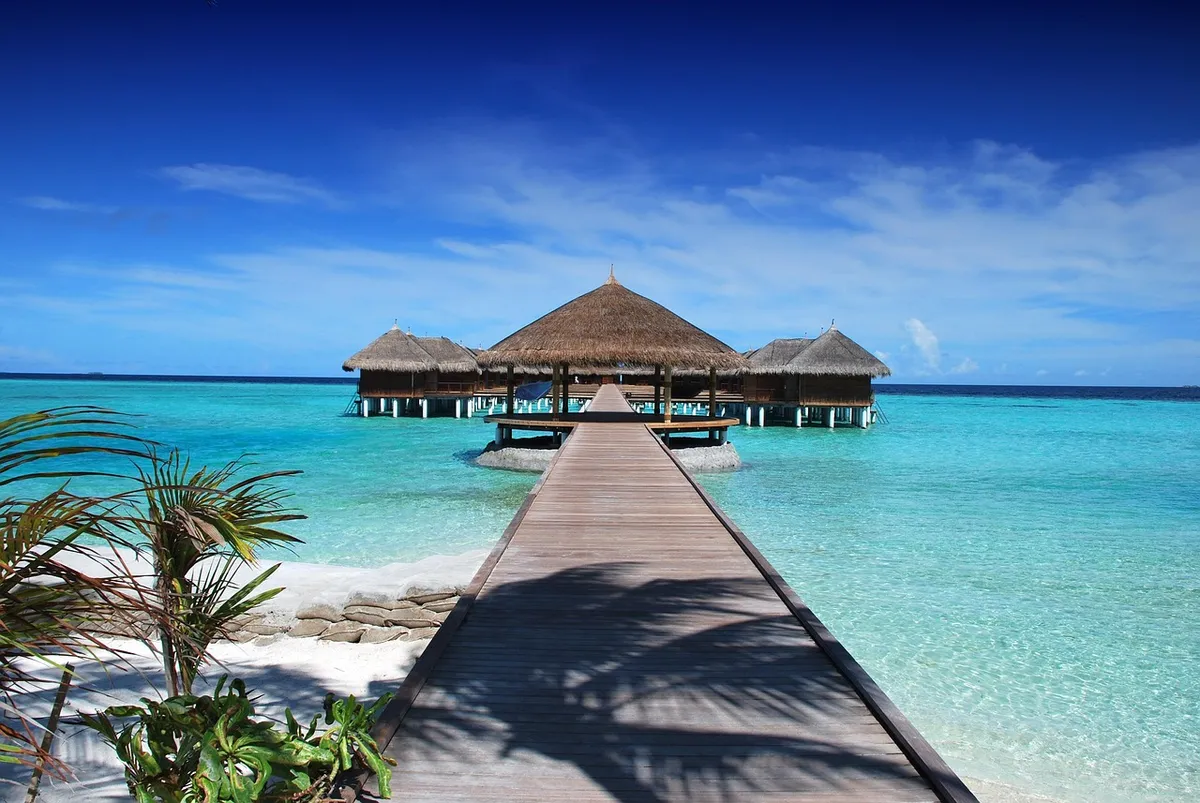
As dawn breaks over the pier, I feel the warm breeze on my skin while staring out at the vast fiji ocean.
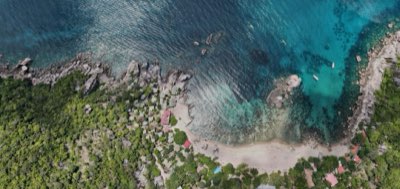
Standing on a wooden pier, watching the turquoise water lap against the pilings, one begins to realize the true scale of the Pacific. The archipelago is roughly 498,000 square miles (1,290,000 km2) and less than 2 percent is dry land.
This vastness defines every travel plan. While the water provides a beautiful backdrop, the limited land area means that most of the journey involves navigating the sea. It is essential to recognize that the ocean is the primary highway for any traveler looking to explore this region.
The sheer size of the territory makes it difficult to see everything in one trip. An island-hopping itinerary requires careful planning to manage the distances between various points of interest.
Where is the population located when I explore Fiji Islands?
Walking through the crowded market at noon, the heat of the fiji sun hits my face as I dodge the bustling crowds.
Walking through a bustling local market, the density of people contrasts sharply with the empty stretches of blue on the horizon. About 87% of the total population live on the two major islands, Viti Levu and Vanua Levu.
Because such a large portion of the people reside on these two primary islands, most transit routes and amenities are concentrated here. This makes it easier to find supplies and local guides, but it also means the most famous sites are often crowded.
Exploring Fiji Islands often starts with these major hubs before moving to more remote locations. Understanding this distribution helps travelers decide between the convenience of the main islands and the solitude of smaller atolls.
How do I manage distances during a Fiji Travel Guide?
Looking at a map spread across a table, the distances between islands become strikingly clear. The archipelago includes various remote spots, such as Ceva-i-Ra, an uninhabited reef located about 250 nautical miles (460 km; 290 mi) southwest of the main archipelago.
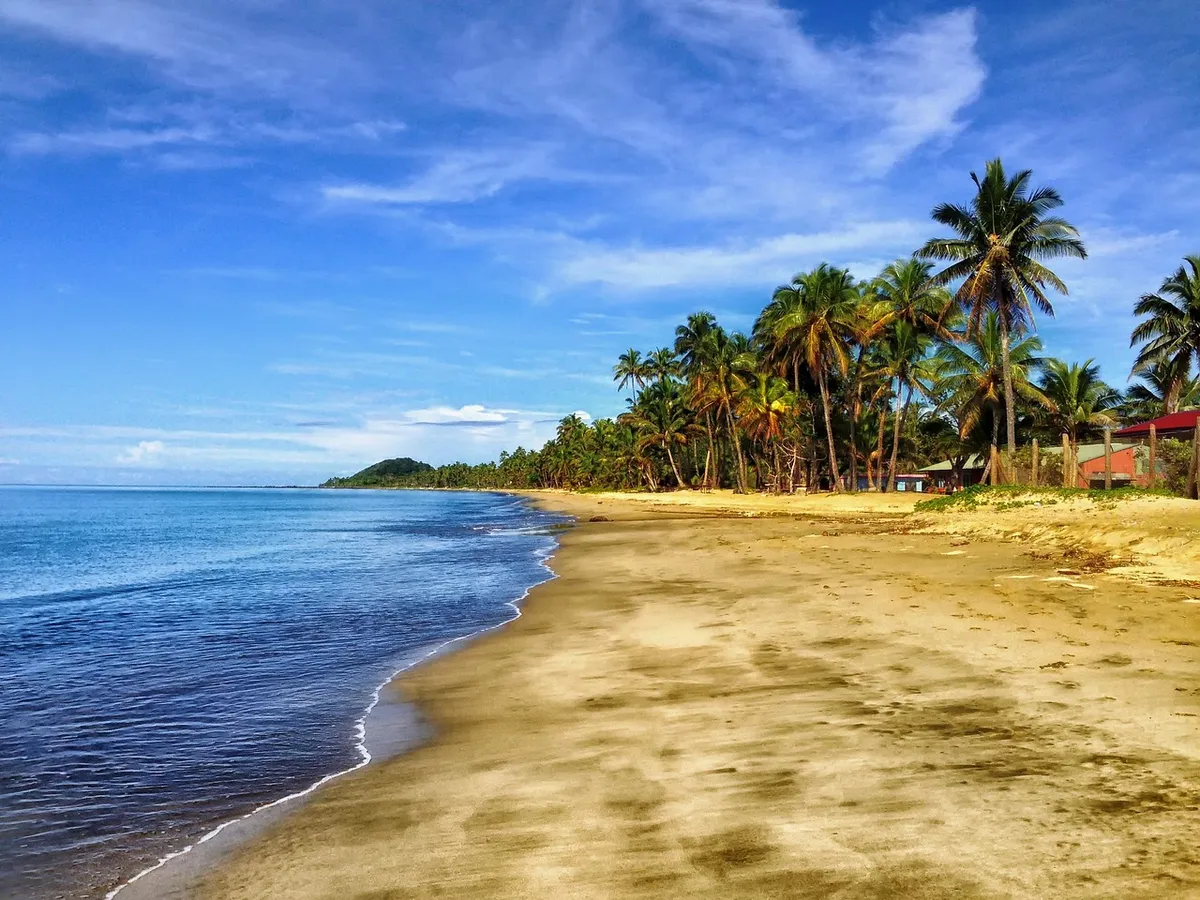
Travelers must account for these significant gaps when planning a tour Fiji atoll experience. Moving between islands is not a quick hop but a deliberate maritime journey that requires reliable vessel transport.
A Lagoon Resort Visit usually centers on a specific area to avoid spending all the time in transit. However, for those seeking adventure, knowing the distance to remote reefs or smaller islands is vital for safety and scheduling.
What is the geographic context for a Fiji Archipelago Tour?
Sitting in a small boat and feeling the spray of the sea, the isolation of the islands becomes a tangible sensation. For reference, the archipelago lies about 1,100 nautical miles (2,000 km; 1,300 mi) north-northeast of New Zealand.
This placement in the South Pacific dictates the climate and the types of weather one might encounter. The distance from major hubs like New Zealand or Australia is a significant factor in flight and sea travel logistics.
A planned Fiji Archipelago Tour requires a balance of adventure and preparation. While the water is inviting, the distance from the mainland means that being self-sufficient or having a solid itinerary is highly beneficial.
How do I plan for a Resort Island Hopping adventure?
Stepping onto a sandy beach, the quietness of an uninhabited island offers a different perspective than the resort life. For those venturing far, Rotuma is located 220 nautical miles (410 km; 250 mi) north of the group, 360 nautical miles (670 km; 410 mi) from Suva.
This kind of distance illustrates the complexity of a resort island hopping itinerary. Travelers must decide if they want to stick to the well-connected main islands or venture into the far-flung reaches of the Pacific.
The scale of the ocean is the primary factor in every decision. Whether staying near the center or moving toward the edges, the water is the constant element of the journey.
What are the limits of my exploration?
Checking the fuel gauge on a boat, one realizes that the vastness of the sea has its own boundaries. It is important to note that while the archipelago is massive, the land area is relatively small.
A limitation of exploring the entire 498,000 square mile area is that the limited land availability and the vast distances between islands make a comprehensive tour of every single landmass nearly impossible in a single visit.
- How can I begin my Fiji Lagoon Resort Guide?
- Where is the population located when I explore Fiji Islands?
- How do I manage distances during a Fiji Travel Guide?
The subject here is Fiji Lagoon Resort Guide.
This part also covers Visit Fiji Islands.
Related
- Best Fiji resorts with kids club: 5,100 km Your family guide
- What should the Fiji Lagoon Resort Itinerary include?
How does the spirit of the islands influence travel decisions?
The spirit of the islands draws travelers seeking both the vastness of the ocean and the intimacy of a tropical retreat. This duality means that itineraries must balance extensive sea travel with focused experiences on specific landmasses.
Recognizing the ocean as the primary highway is crucial for anyone planning a journey through this region. The vastness of the sea dictates the pace and scale of the entire exploration.
Travelers must weigh the allure of the ocean against the reality of limited inhabitable land. This balance defines the success of a visit to the archipelago.
What is the significance of the ocean in the journey?
The ocean represents the majority of the journey when exploring the archipelago. Since less than 2 percent of the territory is dry land, the sea becomes the essential medium connecting all points of interest.
Navigating this maritime environment is not merely a backdrop; it is the functional pathway between the islands. Therefore, sea travel planning is as important as land-based activity scheduling.
When is careful planning most needed?
Careful planning is most needed when attempting to cover the archipelago's scale. Given the distances between islands, a comprehensive tour requires meticulous scheduling to manage transit time effectively. This applies whether seeking solitude or seeking concentrated activity.
Wikipedia: Fiji Based on the retained excerpt mentioning Constitutional Review Commission: Three years later, Rabuka established the Constitutional Review Commission, which in 1997 wrote a new constitution, which was supported by most leaders of the indigenous Fijian and Indo-Fijian communities.


Comments 0