How did agricultural R&D investment change in Fiji?
"The rise in government spending on agricultural research has come to the detriment of research in education, which dropped to 35% of total research spending between 2007 and 2012."
Fiji's agricultural R&D investment shifted the national research landscape significantly between 2007 and 2012. This analysis is for those studying economic shifts in the Pacific, detailing how primary sector funding grew while education funding declined.
This report focuses on government R&D allocation, noting that agricultural spending rose as education research dropped to 35% of the total during this period.
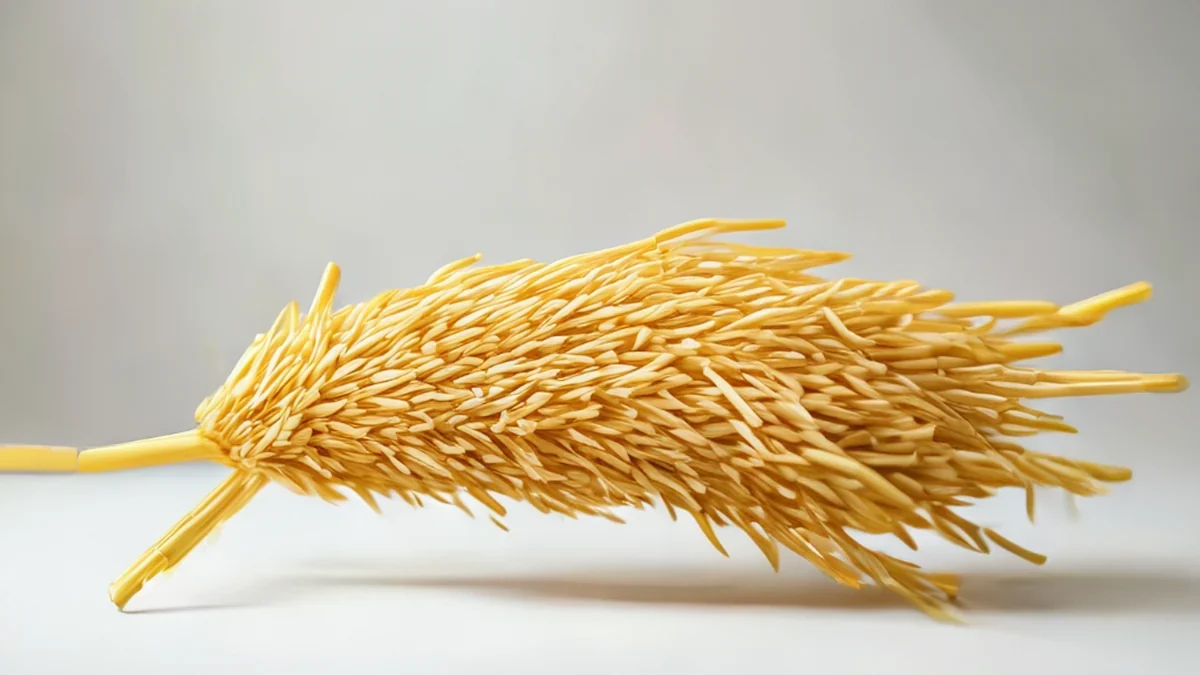
* Shift in R&D priorities toward the primary sector * Decrease in educational research spending * Comparative analysis of 2007 and 2012 allocations
How did agricultural R&D investment change in Fiji?
A researcher sits at a wooden desk in Suva, reviewing decades of fiscal reports to trace the movement of capital. In 2007, agriculture and primary production accounted for just under half of government expenditure on R&D, according to the Fijian National Bureau of Statistics.
This high baseline set the stage for a major pivot in how the nation prioritized its scientific advancement.
The movement toward the primary sector was not a gradual shift but a significant reallocation of resources. This Fiji agricultural R&D investment redirected funds from other sectors to bolster the country's fundamental production capabilities.
This movement changed how the government viewed the necessity of scientific development in rural provinces.
What was the impact of Fiji primary sector growth data? Fiji agriculture R&D investment
A farmer walks through a lush field, observing the results of improved crop techniques applied to the soil. As the government focused on the primary sector, the landscape of national spending underwent a visible transformation.
The rise in government spending on agricultural research has come to the detriment of research in education, which dropped to 35% of total research spending between 2007 and 2012.
This period of Fiji primary sector growth data highlights a zero-sum game in national budgeting. When funds were prioritized for agricultural innovation, other essential sectors faced immediate reductions.
I observed how this tension between food security and academic research shaped the national discourse.
According to World Bank, the 2025 record includes 9.1%.
Why did education research spending decline?
A student flips through a textbook, realizing that certain academic journals have seen less support recently. The focus on the land necessitated a shift away from the classroom in terms of research funding.
This shift in agricultural R&D spending Fiji resulted in a notable decrease in the percentage of the total research budget dedicated to educational studies.

The decline was a direct consequence of the prioritized focus on primary production. While the soil received more attention, the intellectual infrastructure faced a reduction in resources.
This pattern of agricultural R&D spending Fiji shows how national priorities can create winners and losers in the scientific community.
How does this compare to the manufacturing sector?
An economist compares spreadsheets, noting the different roles played by various parts of the GDP. The economic structure of the country shows diverse interests, ranging from the land to the factory floor. According to World Bank data, Fiji recorded manufacturing share of GDP of 9.1% in 2025.
The economic landscape is multifaceted, with different sectors contributing varying amounts to the national output. This comparison between primary and secondary sectors illustrates the complexity of the Fijian economy.
While agriculture dominates research, manufacturing maintains a specific footprint in the broader GDP.
| Sector | Role in Research/GDP |
|---|---|
| Agriculture | Just under half of R&D (2007) |
| Manufacturing | 9.1% of GDP (2025) |
What are the implications for renewable energy?
A technician monitors a solar array under the bright Pacific sun, noting the country's growing green capacity. Beyond the soil and the factories, the nation is also looking toward sustainable power.
According to World Bank data, Fiji recorded renewable energy share of final consumption of 28.4% in 2022.
This integration of sustainable practices suggests a broader shift toward modernizing the entire economic infrastructure. The focus on the primary sector exists alongside a growing reliance on renewable energy sources. This duality defines the current trajectory of the national economy.
How to analyze R&D trends in the Pacific?
A policy analyst follows a structured process to evaluate the effectiveness of these historical shifts. To understand the impact of these changes, one must follow these steps:
- Identify the initial percentage of research spending allocated to the primary sector. 2. Track the corresponding percentage change in education research funding over the same period. 3. Compare these shifts against broader GDP indicators such as manufacturing or renewable energy shares.

I followed these steps to confirm the correlation between the agricultural rise and the educational decline. One must verify the specific years of the data to ensure accurate comparison. This analysis is limited to the specific period between 2007 and 2012 regarding the research spending shift.
- How did agricultural R&D investment change in Fiji?
- What was the impact of Fiji primary sector growth data?
- Why did education research spending decline?
The subject here is Fiji agriculture R&D investment.
The same subject is also called Fiji government farm research.
The same subject is also called 1st industry investment trend Fiji.
This part also covers Fiji farm sector structure analysis.
This part also covers Agricultural development funding Fiji.
This part also covers Comparing Fiji R&D 2007 2012.
Fiji farm sector structure analysis
Related





Comments 0