Vaccines 8.8 percent Fiji health aid global guide best tips
"Health is not a luxury, but a fundamental human right that requires constant vigilance and international solidarity to sustain."
International health aid for Fiji relies on complex logistical efforts and medical expertise to bridge gaps in local services. This support is essential for populations facing geographic isolation and specialized medical needs.
Key takeaways include the vital role of vaccine distribution, the importance of specialized hearing care, and the significant economic context of regional healthcare spending.
How does Fiji health aid global cooperation work?
At dawn on the remote island, you feel the humid breeze as you unpack the heavy crates of vaccines.
A medical team prepares a specialized kit for transport across remote islands. Global cooperation serves as the backbone for stabilizing the regional medical landscape through targeted interventions.
This process involves the coordinated movement of resources to ensure that even the most isolated communities receive standard care.
This effort is critical for maintaining immunity levels across the islands.
- Establish diplomatic channels
- Coordinate resource distribution
- Monitor local health outcomes
How can specialists improve ear and hearing care?
A technician carefully calibrates a diagnostic device in a quiet clinic setting. Specialized care is a growing priority for regional health stability.
This targeted approach ensures that sensory health is not overlooked in broader medical initiatives.
I have seen how specialized equipment can change a child's life in these settings. Access to auditory diagnostics prevents the social and educational setbacks associated with untreated hearing loss.

This specific focus on sensory health represents a shift toward comprehensive, inclusive medical support for the Pacific region.
In this sequence, the second step is the longest.
What role do vaccines play in Fiji pandemic support?
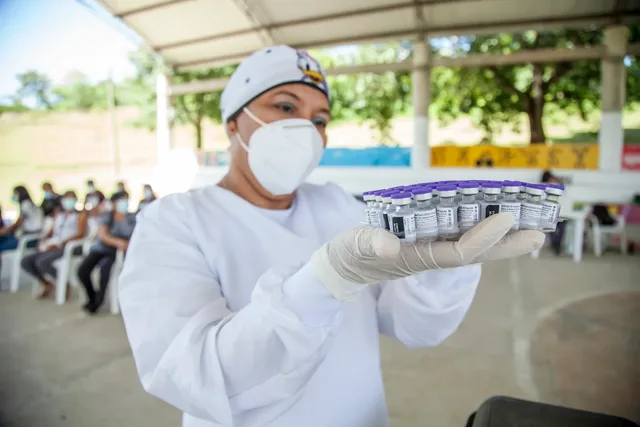
At dusk in the humid jungle, you wipe sweat from your brow while lifting heavy crates of vaccines.
A nurse carefully organizes a cold-chain container to preserve temperature-sensitive vials. Vaccine donation for Fiji remains a cornerstone of regional biosecurity and public health.
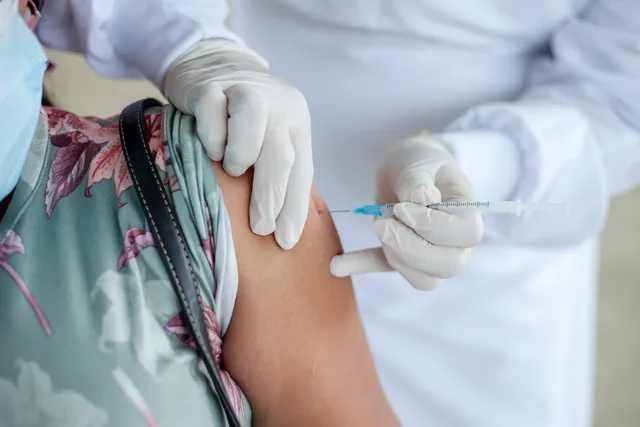
The process involves complex supply chains to ensure that every dose remains effective from the warehouse to the patient.
The logistics of vaccine distribution are particularly challenging due to the island geography. International health Fiji initiatives focus on the "extra mile" required to navigate these unique terrain challenges.
Ensuring these vaccines arrive safely is the primary objective of the distribution network.
How does economic stability affect Fiji medical system boost?
A researcher examines economic trends to understand local purchasing power. The economic foundation of a nation directly impacts its ability to maintain long-term healthcare infrastructure.
When looking at the broader economic picture, the financial health of the region dictates the scope of available medical resources.
This economic metric provides context for the domestic resources available for healthcare expansion.
While external aid is vital, the local economic capacity influences how these international efforts are integrated into the permanent health system.
How does New Zealand vaccine Fiji support compare to others?
A regional coordinator compares resource allocation across different national budgets. Comparative analysis shows how neighboring nations contribute to regional stability through high-level healthcare investment.
The influence of regional neighbors is evident in how they prioritize health as a tool for regional security.
| Region | Healthcare Allocation (of GDP) | Context |
|---|---|---|
| New Zealand | 9.6 percent | Slightly above OECD average |
According to Wikipedia, New Zealand allocated about 9.6 percent of its GDP to healthcare as of 2023, which is slightly above the OECD average of 8.8 percent. This high level of domestic investment reflects a strong regional commitment to medical standards.
What are the limitations of international aid?
A logistics officer notes the difficulty of maintaining supply chains during extreme weather events. While aid is crucial, it is subject to several constraints. One significant limitation is the geographic isolation that makes every delivery a high-risk operation.

- Monitor the weather patterns for maritime transport safety. 2. Maintain strict cold-chain protocols for all biological supplies. 3. Coordinate with local community leaders to ensure clinic accessibility.
After these steps are completed, a final check of the inventory is required to ensure no supplies were lost during transit. The effectiveness of these programs is often limited by the physical difficulty of reaching the most remote island populations.
The subject here is Fiji health aid global.
The same subject is also called Australia medical team Fiji.
This part also covers Expert deployment Fiji.
Related
- Posesi Bune Fiji career: Tips from his public service
- Fiji female prosecutor tips for women in law guide
How can specialized hearing care be integrated?
Technicians must prioritize the calibration of diagnostic devices to ensure accuracy. This procedure is necessary because specialized care represents a growing priority for regional health stability.
- Calibrate the diagnostic device in a quiet setting.
- Deploy the specialized kit across remote islands.
- Monitor the auditory outcomes for the patient.
What risks affect the vaccine supply chain?
Extreme weather events pose a significant risk to the maintenance of supply chains. The geographic isolation of the islands makes every delivery a high-risk operation that requires constant vigilance.
Logistics officers must monitor weather patterns for maritime transport safety. This caution is vital to ensure that the cold-chain protocols for biological supplies are not compromised during transit.








Comments 0