Fiji cyclone season sea safety: 65 km Guide for ocean travel
"Safety is not a coincidence but a result of preparation and respect for the elements."
Planning your Fiji cyclone season sea safety requires constant vigilance regarding weather patterns and local advisories. This guide helps travelers understand how to navigate maritime risks, which activities to avoid during high winds, and how to prepare for sudden shifts in ocean conditions.
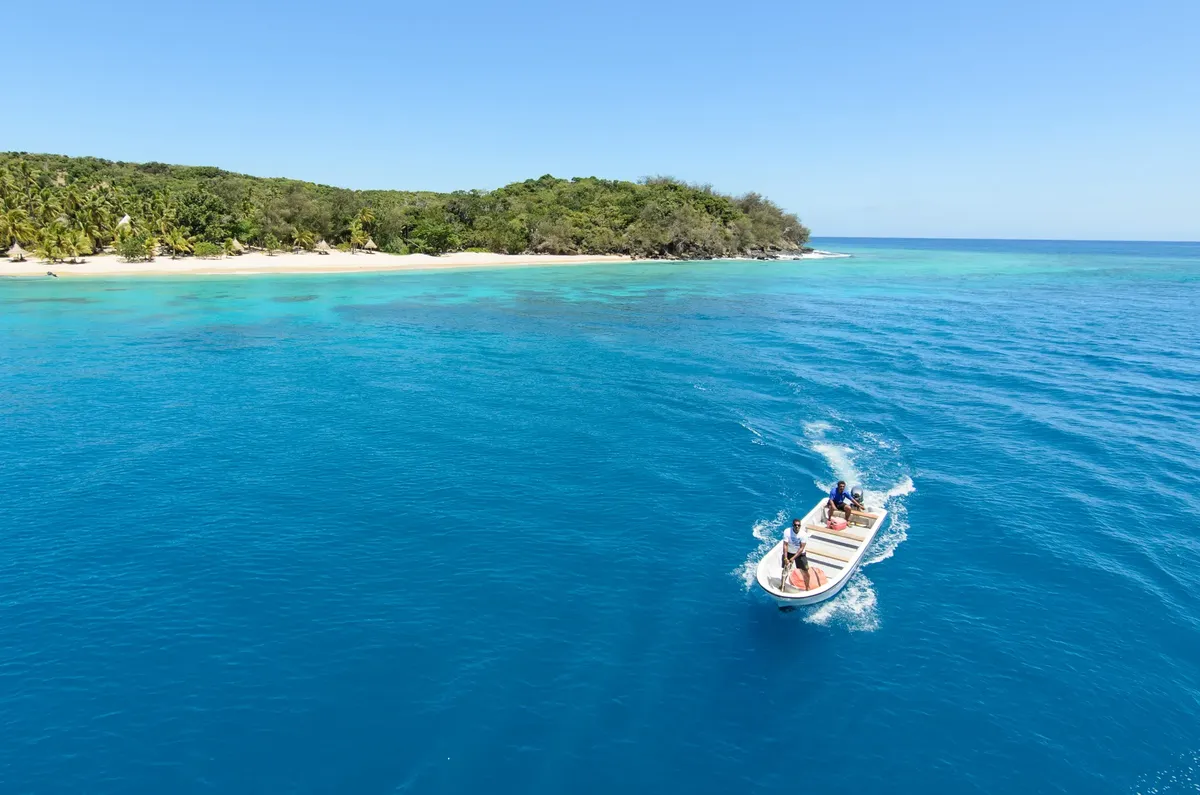
* Monitor weather agency updates for wind speeds. * Avoid ocean activities when storm systems approach. * Understand the impact of ENSO-Neutral or La Niña patterns. * Follow local authority guidelines for maritime safety.
How to manage Fiji cyclone season sea safety?
A traveler stands on a wooden pier, watching the horizon turn a heavy shade of grey as the wind picks up. To manage Fiji cyclone season sea safety, you must monitor atmospheric changes and respect the authority of local weather agencies.
When wind speeds reach specific thresholds, such as 35 knots (65 km/h; 40 mph), storm systems are officially named and can rapidly change maritime conditions.
Staying informed is the first step in preventing accidents during tropical weather events. You should check local maritime advisories daily, especially if you are traveling during months when atmospheric shifts occur.
Understanding that weather can change within a 24-hour window is vital for anyone planning boat trips or snorkeling excursions.
What are the risks of Fiji water activity safety?
The sun reflects off the turquoise waves, but a sudden swell makes the boat toss violently. Risks to Fiji water activity safety often involve rapid intensification of storm systems that can catch sailors or snorkelers off guard.
For instance, a system can rapidly intensify to Category 5 strength, with winds increasing by 85 mph (135 km/h) during a single 24-hour period.
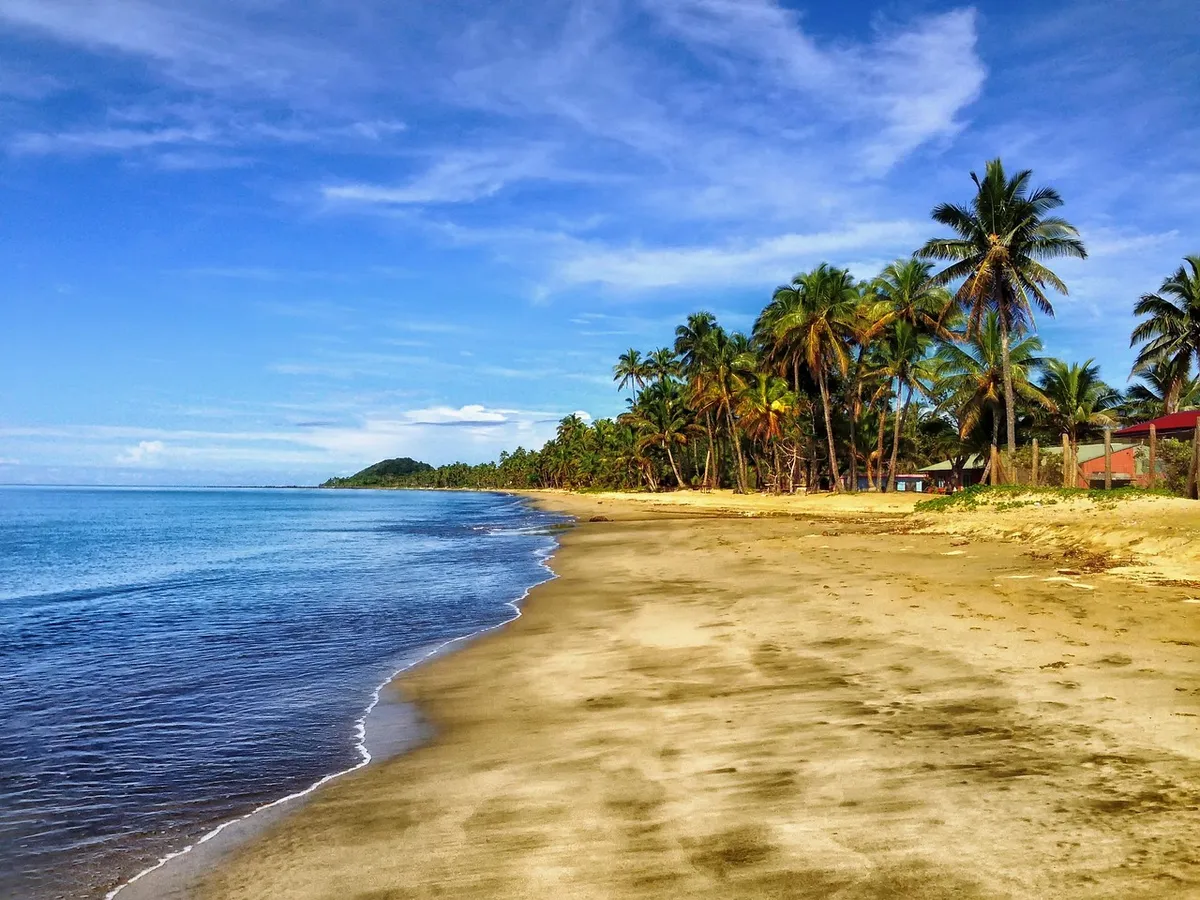
Such rapid changes mean that a calm morning can turn into a dangerous situation by afternoon. It is essential to recognize that sea conditions can change faster than a typical travel itinerary allows.
If you are out on the water, you must be prepared for the possibility of sudden, high-intensity wind increases that can disrupt transit and stability.
How to implement Fiji cyclone season tips?
Before dawn, I squinted at the darkening sky on the pier while reviewing my Fiji cyclone season tips.
A traveler checks the weather app on their phone before packing a bag for a day trip to a nearby island. To effectively use Fiji cyclone season tips, follow these three steps:
- Check the latest wind speed reports and storm names from local weather agencies. 2. Review the maritime forecast to see if significant wind increases are predicted. 3. Confirm with local boat operators if it is safe to depart based on current sea states.
Always perform a final check of the sky and sea before leaving the dock. I remember checking the wind direction once before a boat trip and deciding to stay on shore because the gusts felt too unpredictable.
| Weather Condition | Wind Speed Example |
|---|---|
| Named Storm Threshold | 35 knots (65 km/h; 40 mph) |
| Rapid Intensification | 85 mph (135 km/h) increase |
What defines effective Fiji weather activity safety?
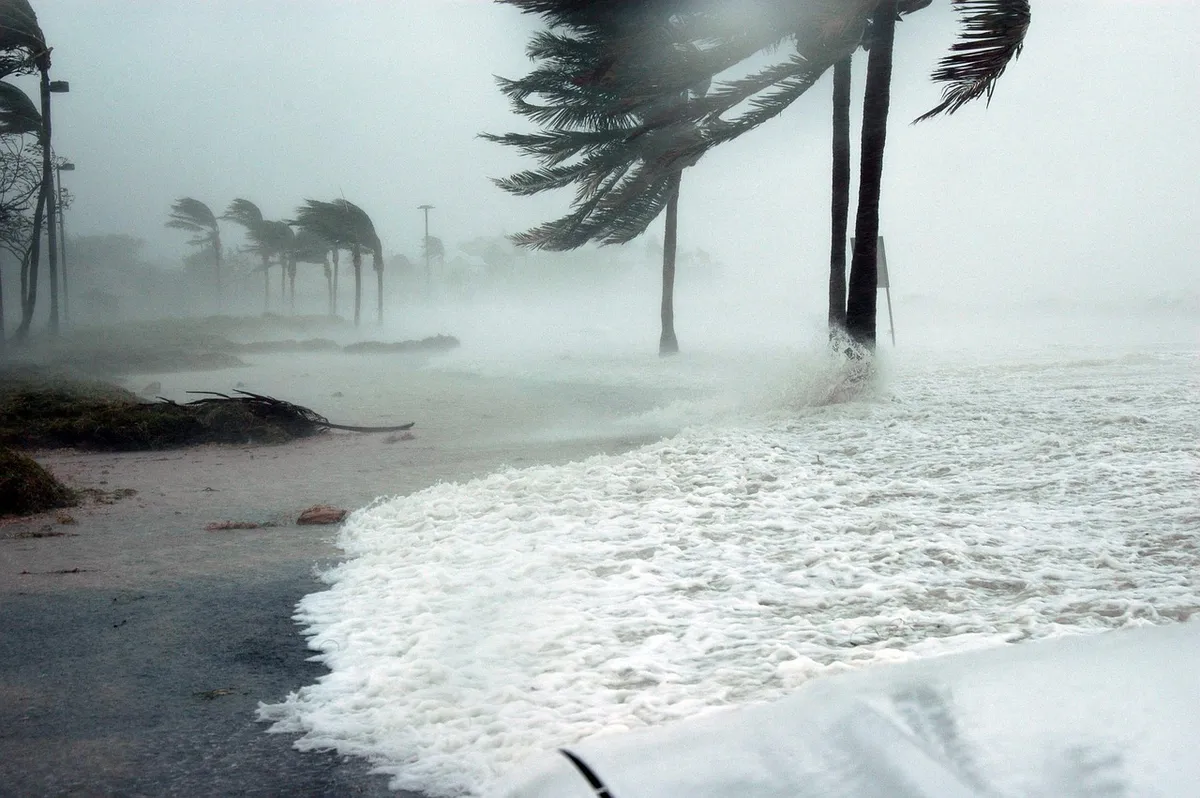
The captain secures the lines to the dock as the wind begins to howl through the rigging. Effective Fiji weather activity safety relies on understanding the scale of potential storm intensity.
For example, a system might reach a peak of 1 minute sustained winds of 240 km/h (150 mph), creating massive swells that make any sea activity impossible.
Knowing these limits helps you decide when to stay in port. When you hear reports of high-velocity winds, like 295 km/h (185 mph) in extreme cases, the priority must shift from exploration to shelter. Safety means having the discipline to cancel plans when the environment becomes unpredictable.
How to handle a sudden shift in Fiji travel advice?
The group gathers in a hotel lobby, listening to the radio as the news updates the local situation. When receiving Fiji travel advice, you should act on the information immediately rather than waiting for conditions to worsen.
If a storm system is moving toward your location, the time to seek land-based shelter is before the winds reach peak intensity.
Sudden shifts in weather can occur within a 24-hour window, much like how a system can become a hurricane a day after forming. You must be prepared to change your location or stay indoors if the forecast indicates a rapid increase in wind speeds.
- How to manage Fiji cyclone season sea safety?
- What are the risks of Fiji water activity safety?
- How to implement Fiji cyclone season tips?
The same subject is also called Safe Fiji ocean activities.
The same subject is also called Safe Fiji travel guide.
This part also covers How to stay safe in Fiji.
This part also covers Fiji sea activity precautions.
This part also covers Cyclone season travel advice.
Related
- Fiji cyclone season safety tips: Understand storm patterns
- Fiji cyclone season travel: Risks of tropical cyclones
When is safety a coincidence? Safety is not a coincidence because it is the direct outcome of thorough preparation and showing due regard for the natural forces at play.
This preparation involves tracking atmospheric shifts and respecting the official warnings issued by meteorological bodies regarding developing storm patterns.




Comments 0