Fiji R&D spending ratio: See 60% global research focus, best
"The pursuit of scientific advancement requires a steady foundation of financial commitment to transform raw data into national progress."
The Fiji R&D spending ratio serves as a critical metric for understanding how the nation invests its economic resources into scientific and technical progress.
This guide analyzes the historical GERD/GDP ratio, the shifting priorities between agricultural and educational research, and the efforts to build domestic capacity through specialized health journals.
Readers will learn about the 0.15% ratio recorded in 2012, the impact of sector-specific funding shifts, and the specific limitations of these metrics regarding current economic fluctuations.
Key Takeaways: 1. Historical data shows a GERD/GDP ratio of 0.15% in 2012. * Research spending shifted from education toward agriculture between 2007 and 2012. *
How much does Fiji spend on R&D?
At sunset in a quiet office, a researcher rubs tired eyes while staring at the Fiji R&D spending ratio on a glowing screen.
A researcher sits in a quiet office in Suva, reviewing decades of economic spreadsheets to find a single percentage. To understand the Fiji R&D spending ratio, one must look at the relationship between Gross Domestic Expenditure on R&D (GERD) and the total Gross Domestic Product (GDP).
This ratio indicates how much of the national wealth is being funneled into the engines of innovation.
According to the National Bureau of Statistics, the GERD/GDP ratio was 0.15% in 2012. This figure represents the slice of the economic pie dedicated to scientific advancement during that period.
While this number provides a baseline, it also highlights the modest scale of research investment relative to the broader economy. Understanding this ratio is essential for evaluating long-term technological growth.
How does Fiji research investment data compare across sectors? Fiji R&D spending ratio
An economist traces the movement of funds from a university budget to a government agricultural grant office. Analyzing Fiji research investment data requires looking at how different sectors compete for a limited pool of resources.
When one sector receives a boost, another often experiences a decline in available support.
Between 2007 and 2012, a notable shift occurred in how funds were distributed. The rise in government spending on agricultural research occurred alongside a decrease in the resources available for other fields.
Specifically, research in education dropped to 35% of total research spending during this timeframe. This movement shows that national priorities can significantly alter the landscape of scientific inquiry.
According to The National Bureau of Statistics, the 2012 record includes 0.15%.
What is Fiji's R&D-to-GDP ratio?
A policymaker compares the local investment levels to global benchmarks during a late-night strategy session. When analyzing Fiji's tech investment, observers often look at the GDP to R&D ratio Fiji to see if the nation is keeping pace with international standards.
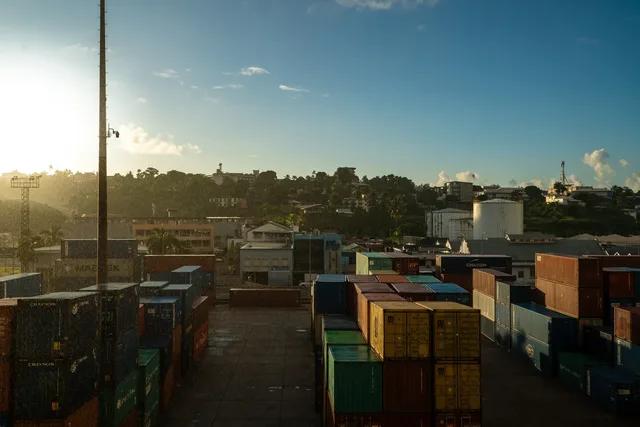
High-performing economies often maintain much higher ratios to drive industrial complexity.
The distribution of these funds determines which industries will lead the future economy. While the 2012 data provides a snapshot, the actual impact depends on whether the spending targets scientific or technical sectors.
According to the Organisation for Economic Co-operation and Development (OECD), more than 60% of research and development in scientific and technical fields is often directed toward specific high-growth areas in many global contexts.
What are the Fiji technology investment stats in the health sector?
A scientist examines a newly published article in a local medical journal, noting the rigorous peer-review process. Looking at Fiji technology investment stats requires a focus on how specialized institutions build their own expertise.
In the medical field, this involves moving away from reliance on external data toward creating local knowledge.
To develop endogenous research capacity, the ministry launched the Fiji Journal of Public Health in 2012.
This initiative aims to create a structured platform for local scientists to contribute to the national body of knowledge. By building this capacity, the nation strengthens its ability to respond to domestic health challenges.
How to monitor Fiji R&D expenditure trends?
A data analyst organizes a series of annual reports into a digital dashboard to track progress over time. Tracking Fiji R&D expenditure trends involves a systematic approach to reviewing departmental budgets and national statistics. To monitor these trends effectively, follow these steps:
- 2. Compare the percentage of spending across different sectors, such as agriculture versus education. 3. Cross-reference research output, such as journal publications, with the total amount of funding provided.
After completing these steps, perform a final check to ensure the spending ratios align with the reported GDP for that specific year. I found that comparing the 2012 ratio to the 2025 GDP per capita of US$6,642 helps put the scale of investment into a broader economic perspective.
What are the limitations of these metrics?
A student stares at a graph, realizing that a single percentage cannot tell the whole story of a nation's intellect. A primary limitation of using the GERD/GDP ratio is that it may not reflect the quality or the practical application of the research being conducted.

Furthermore, these figures are often subject to the volatility of the broader economy.
For instance, if the economy experiences shifts in tourism or agriculture, the total GDP changes, which automatically alters the R&D ratio even if the actual dollar amount spent on research remains constant.
This means the ratio is a measure of relative investment rather than a direct measure of scientific capability.
- How much does Fiji spend on R&D?
- How does Fiji research investment data compare across sectors?
- What is Fiji's R&D-to-GDP ratio?
The same subject is also called Fiji economic R&D metrics.
This part also covers Fiji GDP research funding level.
Related



Comments 0